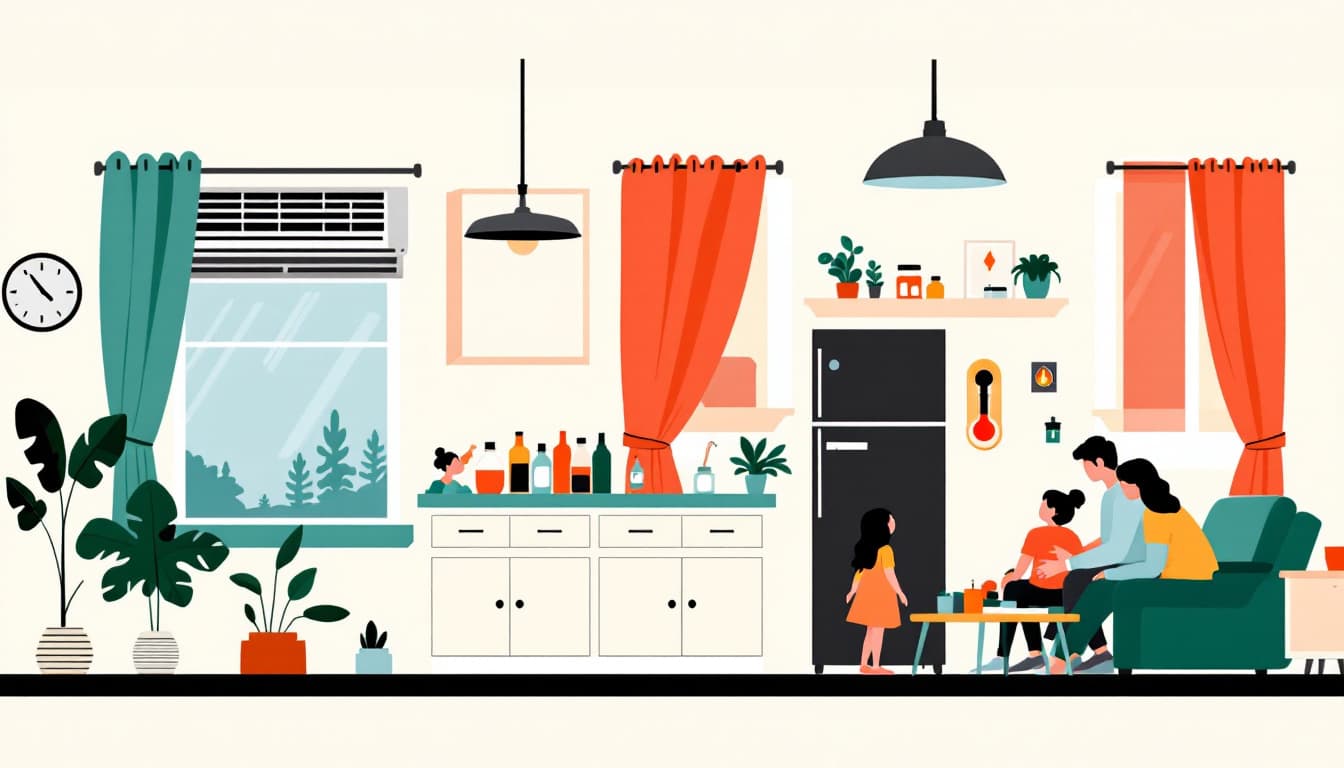
A property advisory doesn't usually land on a prepper's radar. But a report this week from markets.businessinsider.com — citing an ArizonaWCC regional performance advisory covering Scottsdale and Phoenix — is worth reading between the lines. When commercial real estate analysts start formally tracking heat, glare, and cooling demand as property performance risks, the signal isn't about office buildings. It's about the grid those buildings sit on, and the neighborhoods around them.
What's actually changing
Phoenix and Scottsdale have always been hot. What's shifting is the density and duration of demand on the electrical system during peak periods. More rooftop units, more data centers, more new construction with large glass facades — all of it pulling simultaneously. APS and SRP manage significant reserve margins, but reserve margins shrink when the heat dome parks itself for ten or twelve consecutive days and doesn't release at night.
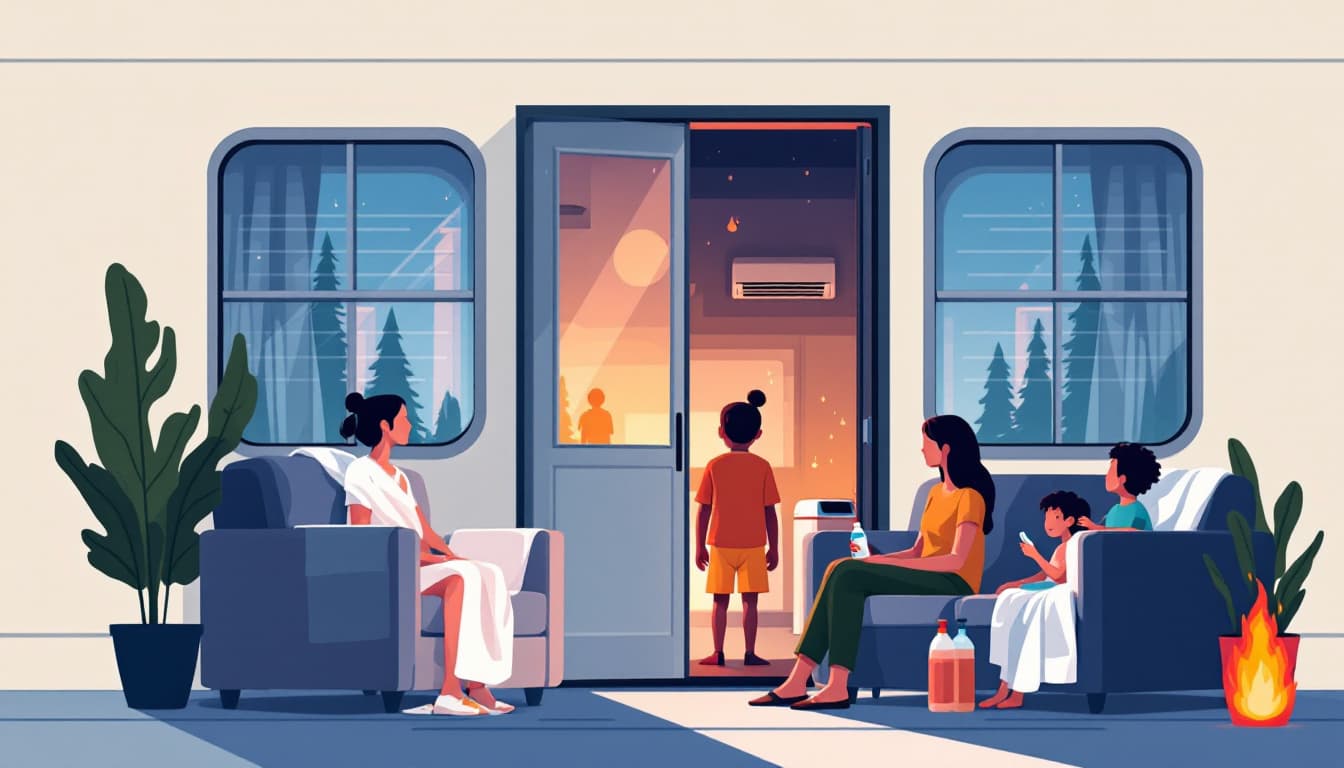
The household risk isn't that the grid collapses. It's the more boring and more likely scenario: rolling curtailments during peak hours, voltage fluctuations that cycle your HVAC compressor on and off, or a localized outage that lasts 4-18 hours in your neighborhood while infrastructure crews prioritize commercial corridors. The Maricopa County heat-related death data from recent years makes clear that a single overnight outage for a household without a backup cooling strategy is not a minor inconvenience — it is a medical event waiting to happen for elderly residents, infants, and anyone on certain medications.
There's a second layer here. When cooling demand spikes, so does your electric bill. APS and SRP both have demand-charge structures that penalize peak-hour usage. If you're running your AC hard between 3 p.m. and 8 p.m. without any load-shifting strategy, you're paying a premium that compounds across the summer months. That's a household budget issue, not just a comfort issue.
What we'd actually do
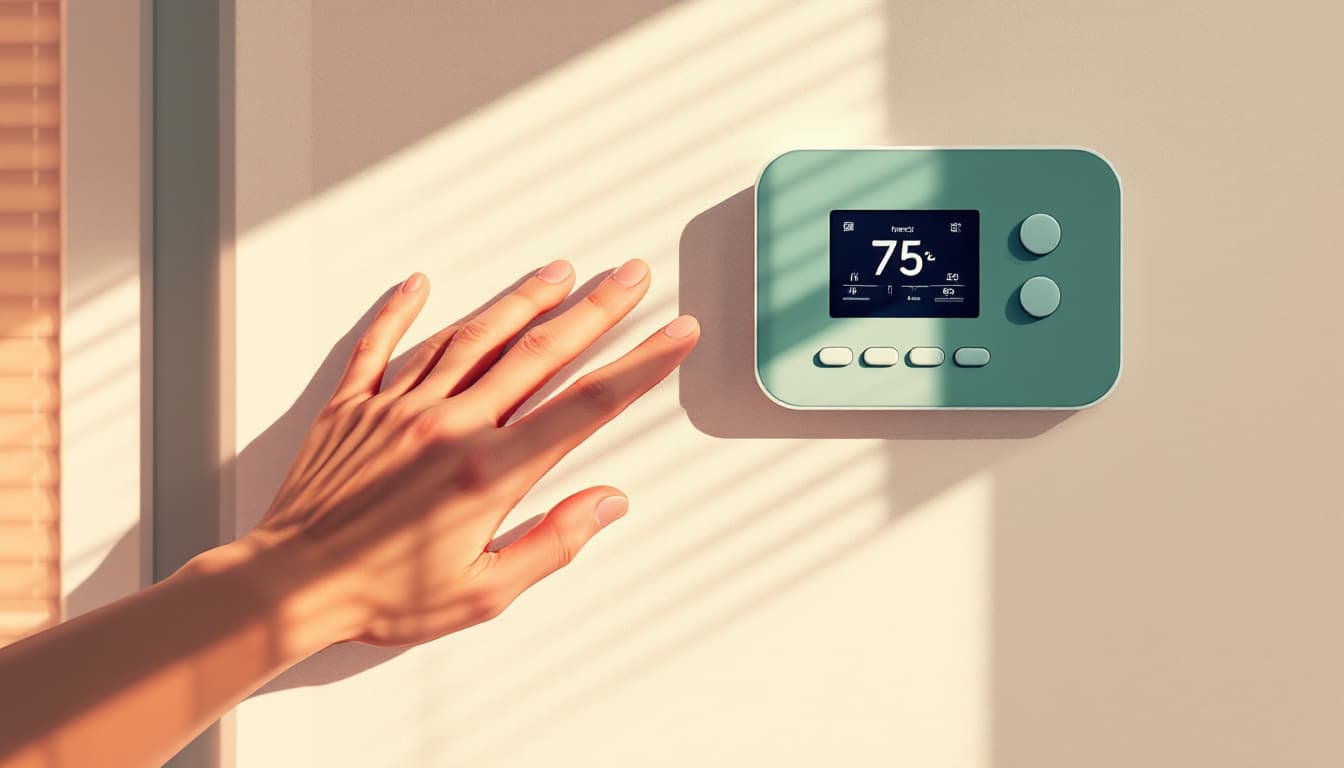
Pre-cool your home before peak pricing hours. Set your thermostat to drop to your target temperature by 2 p.m., then let it drift up two or three degrees between 3-8 p.m. Most well-insulated homes in the Phoenix metro will hold temperature for several hours without the compressor running hard. This directly reduces demand charges on both APS and SRP rate structures and reduces wear on your compressor during the highest-stress period of the day.
Identify your household's heat threshold and build a 72-hour no-power plan around it. This means knowing which family members are most vulnerable, which rooms stay coolest without AC (usually interior rooms, often bathrooms), and where your nearest 24-hour cooling center is. Maricopa County operates a network of cooling centers that activates during excessive heat warnings — find yours at maricopa.gov before you need it, not during an outage.
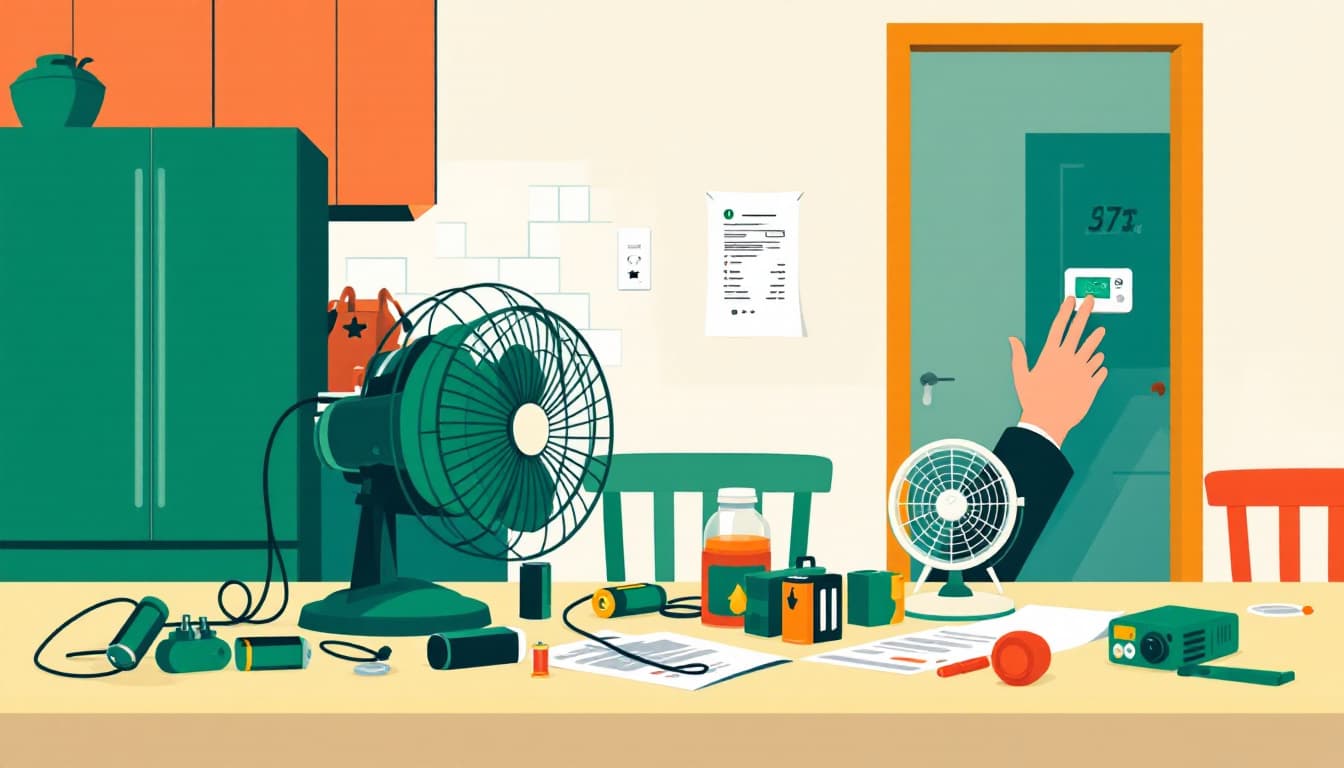
Add a portable evaporative cooler or a single-room window unit as a backup, not a primary. A whole-home AC failure in July is a crisis. A portable unit that can hold one bedroom at a survivable temperature overnight is not glamorous preparedness — it's functional preparedness. In low-humidity conditions (early summer before monsoon), evaporative coolers run at a fraction of the energy cost of refrigerant-based AC. After monsoon onset in mid-July, humidity rises and that calculus shifts, but for June the math often works.
Get an attic inspection and a radiant barrier assessment this month, not in August. Radiant barriers in Phoenix attics can reduce attic temperatures by 20-30 degrees according to DOE building science data, which meaningfully reduces the load on your AC during afternoon hours. Installation costs vary, but the payback period in Arizona's climate is short. If you're renting, this isn't your lever — but checking that your landlord has properly sealed attic penetrations and that your HVAC filter is clean costs nothing.
Stock a two-week supply of any medications that require refrigeration or that are heat-sensitive. This is the preparedness angle that most households overlook entirely. A power outage doesn't just make you hot — it can compromise insulin, certain heart medications, and other refrigerated drugs within hours. A small 12V cooler, a quality cooler with ice, or a medical-grade insulated case buys you time to make decisions without panicking.
The bigger picture
Arizona households have been managing extreme heat for decades. The risk isn't new; the margin for error is narrowing as the built environment grows denser and draws more simultaneously from the same infrastructure. The goal isn't to stockpile generators and wait for collapse. It's to reduce your household's dependence on any single point of failure — the grid, the compressor, the pharmacy — so that a 12-hour outage in July is an inconvenience rather than a crisis.
Durability looks like one room you can sleep in safely without power. It looks like knowing your neighbors and knowing where the cooling centers are. It looks like a bill that doesn't spike because you shifted two hours of load.
That's not doomsday prep. That's just living in Phoenix with your eyes open.