A moringa leaf powder product has been recalled due to potential salmonella contamination, according to a report this week from AZ Family. The recall affects a dietary supplement that has been distributed and sold to consumers in Arizona, among other states.
Salmonella is a bacterial pathogen that can cause serious illness, particularly in children, the elderly, and individuals with compromised immune systems. Symptoms of salmonella infection typically include diarrhea, fever, and abdominal cramps, and in severe cases the illness can require hospitalization. The U.S. Food and Drug Administration oversees recalls of this nature, working in coordination with state health agencies — in Arizona's case, the Arizona Department of Health Services — to track distribution and notify consumers.
Moringa leaf powder has grown in popularity as a nutritional supplement, marketed for its high concentrations of vitamins and minerals. It is commonly sold in health food stores, natural grocers, and through online retailers, making distribution networks difficult to fully map and complicating consumer notification efforts.
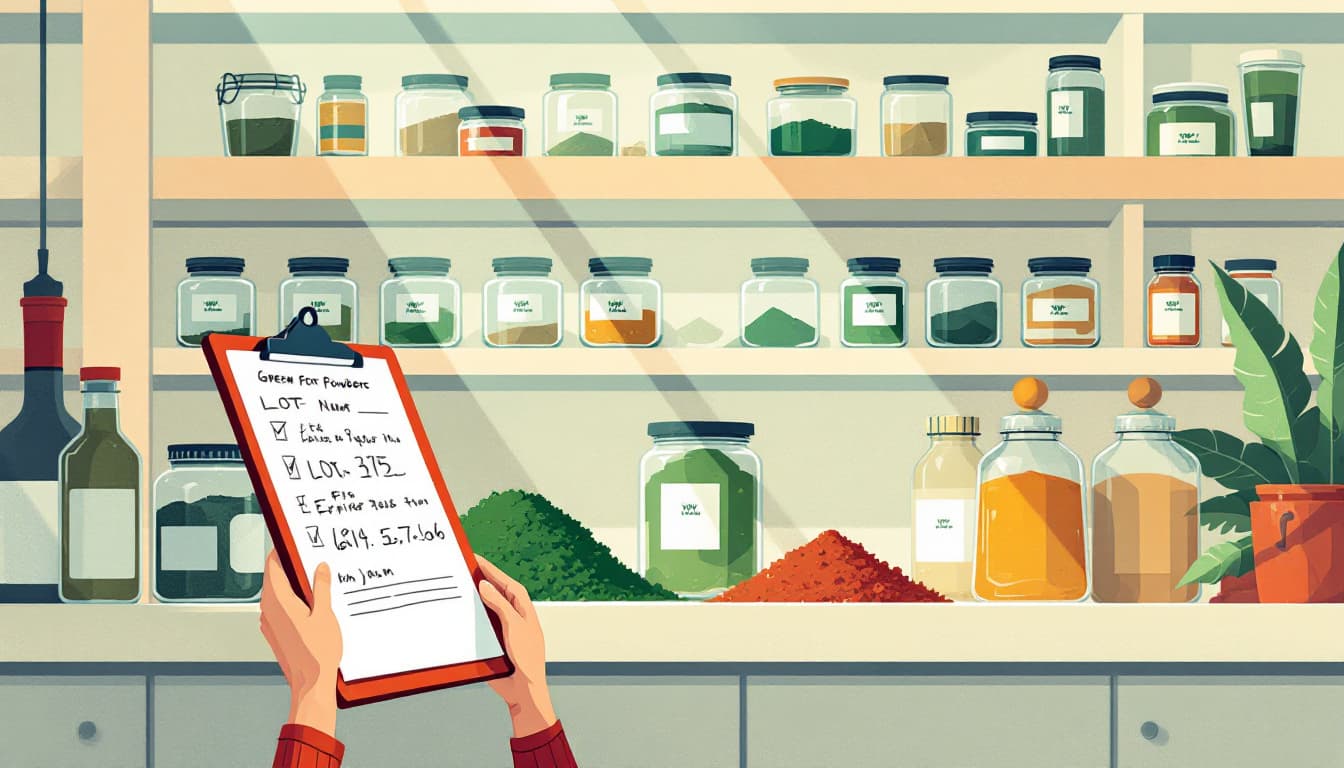
For preppers and households that maintain long-term food and supplement stockpiles, this recall carries a particular relevance that general news coverage tends to overlook. Bulk supplements — including herbal powders like moringa — are frequently purchased in large quantities and stored for extended periods, sometimes in vacuum-sealed containers or Mylar bags. Unlike perishable groceries with obvious spoilage signals, a contaminated powder can sit in a pantry for months without any visible indicator of a problem. Arizona's dry desert climate, spanning both the low Sonoran Desert elevations around Phoenix and Tucson and the higher-altitude regions near Flagstaff and the White Mountains, can slow some forms of microbial growth but does not eliminate bacterial contamination introduced during production or processing. Consumers who store supplements in bulk should cross-check lot numbers and product names against the FDA's recall database, which is updated continuously at fda.gov.
Anyone in Arizona who has purchased moringa leaf powder recently is encouraged to check the FDA recall database for specific product names, lot numbers, and UPC codes associated with this action, and to contact the Arizona Department of Health Services with questions about health risks or reporting illness.