San Carlos Lake is closed. Not for a weekend. Not for a holiday. Because the fish are dying.
A report this week from azcentral.com and The Arizona Republic describes a major fish kill at the reservoir on the San Carlos Apache Reservation in southeastern Arizona, triggered by a combination of drought stress and managed water releases that dropped oxygen levels too fast for the fish population to survive. The lake is now closed to fishing and recreation while conditions are assessed.
That's a significant local and cultural loss — San Carlos Lake is one of the largest reservoirs in Arizona and a fishing destination for both tribal members and non-tribal anglers. But the event carries a signal that extends well beyond the reservation boundary.
What's actually changing
Arizona isn't in a new drought. The state has been managing reduced water allocations, aquifer drawdowns, and Lake Mead benchmarks for years. What the San Carlos event illustrates is that the system is now reactive in ways it wasn't before. Water managers are making release decisions that create cascade effects — in this case, a dissolved-oxygen crash that killed fish. That's a sign of tighter margins, not a routine fluctuation.
For Arizona households, the practical exposure runs in two directions.
First, water availability itself. Municipal water in the Phoenix metro and Tucson is not about to be interrupted by one reservoir event. But the infrastructure supporting Arizona's water supply is a web of interdependencies: Colorado River allocations, Salt River Project storage, groundwater banking, and tribal water rights agreements. When one node in that web shows stress, the rest of the web is worth watching.
Second, food supply adjacency. Arizona produces a meaningful share of the country's leafy greens, citrus, and beef cattle — all water-intensive. Drought conditions that stress recreational reservoirs are the same conditions squeezing irrigation districts. That doesn't mean a supply shock is imminent, but it does mean the long-running trend toward higher food prices has a plausible local accelerant.
Neither of these is cause for panic. Both are cause for practical adjustment.
What we'd actually do
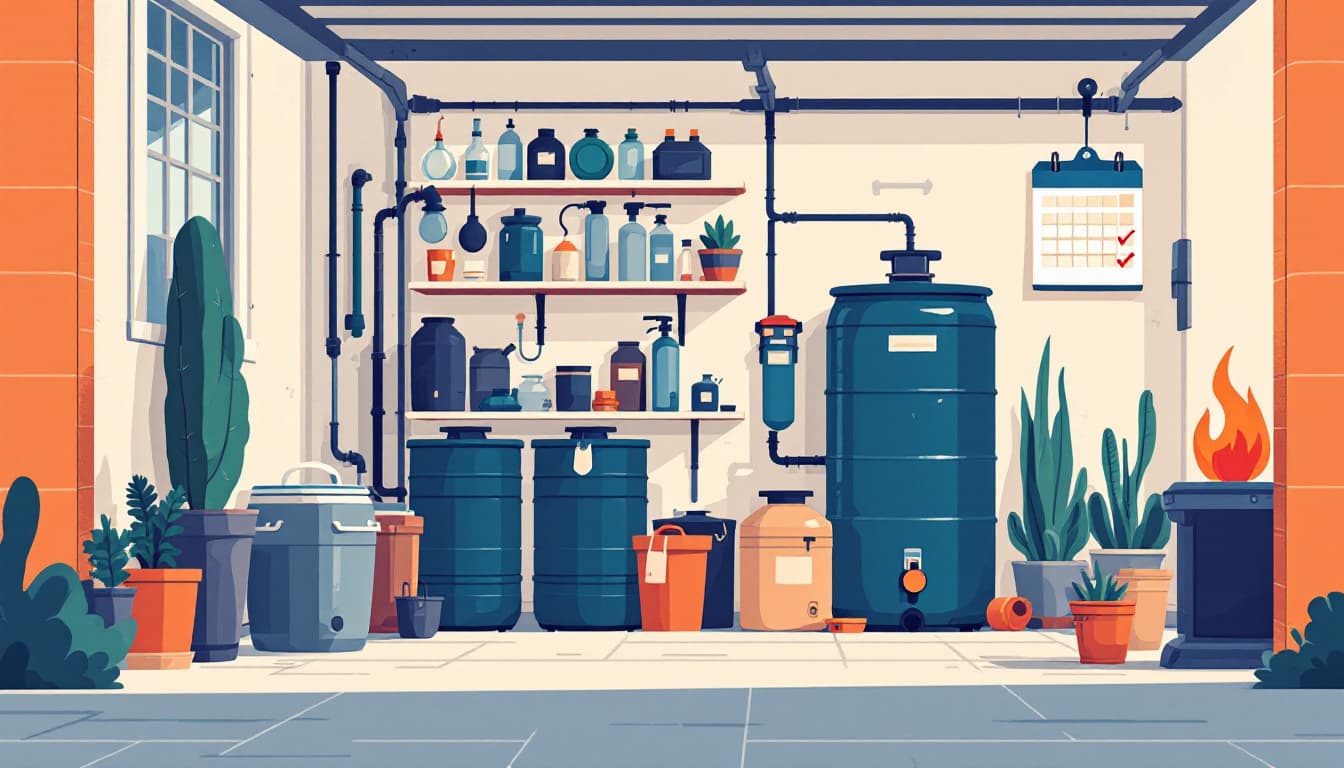
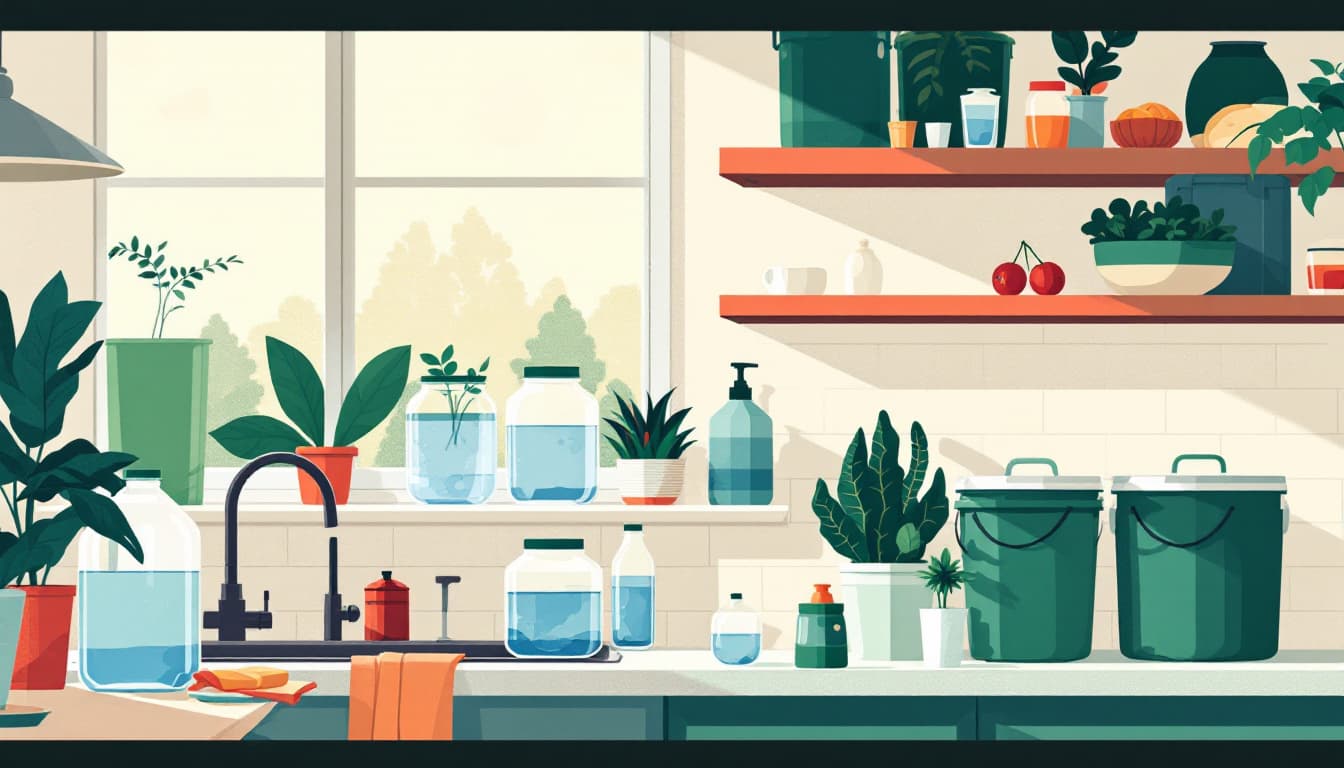
Check your household water storage and do the math. FEMA's baseline recommendation is one gallon per person per day for three days — a number most preparedness writers repeat without questioning. Three days covers a burst pipe or a 48-hour boil notice, not a prolonged infrastructure disruption. A more durable target for an Arizona household is two weeks of drinking and cooking water at one gallon per person per day, stored in food-safe containers in a cool location away from direct sunlight. A family of four needs roughly 56 gallons. Two 30-gallon barrels cost under $50 each and fit in a garage corner.
Know where your municipal water comes from. Phoenix area households served by Salt River Project or the Central Arizona Project draw from different sources than households on private wells in rural Maricopa or Pinal County. Call your utility or check their annual Consumer Confidence Report — they're required to publish one. This tells you your source water and any known vulnerabilities. It takes 15 minutes and most people have never done it.
Build a two-week food buffer with water-efficient cooking in mind. If water pressure or quality became an issue, how many of your shelf-stable staples require significant water to prepare? Dried pasta, rice, and lentils are all water-heavy to cook. Canned beans, canned fish, nut butters, and crackers are not. A small recalibration of your pantry rotation toward lower-water-demand options is cheap insurance.
If you fish or hunt in Arizona, diversify your locations now. San Carlos Lake's closure removes a primary fishing resource for many households in the eastern part of the state. The Arizona Game and Fish Department maintains updated status reports on public lakes and rivers. If you rely on wild-caught fish as a meaningful protein source, build familiarity with two or three locations, not one.
The bigger picture
Arizona has been managing water scarcity longer than most states, and its institutions — from the Arizona Department of Water Resources to tribal water authorities — are not caught off guard by drought. What's shifting is the pace and severity of the decisions those institutions have to make. The San Carlos fish kill isn't a system failure. It's a system under load, making hard choices.
The durable household response isn't to stockpile in a panic. It's to reduce your exposure to single points of failure: one water source, one food supply chain, one fishing hole. Resilience is redundancy, built quietly over time.