Aurora, Colorado's water utility is running voluntary conservation appeals — which, if you follow western water closely, is how managed scarcity usually starts before it becomes mandatory scarcity.
A CBS News report this week covered Aurora Water's call for residents to work together on conservation as drought conditions persist across the region. The story is short on specifics. That's fine. The household-level analysis is the part the utility press release won't give you, and that's what we're here for.
What's actually happening with Colorado water right now
Aurora draws from multiple sources — the South Platte, the Arkansas basin, and mountain reservoir storage — which gives it more buffer than many smaller Front Range utilities. A voluntary appeal from a system that size is a signal that snowpack-to-reservoir conversion this year has underperformed. Recent Colorado Basin drought monitors have shown persistent D2-to-D3 conditions across the state's water-producing elevations. Aurora's ask isn't panic; it's the utility managing its storage math before summer peak demand hits in July and August.
The structural issue is not new. The Colorado River compact's century-old allocations were written when flow estimates were optimistic. Groundwater in the Denver Basin is drawn faster than it recharges. And Front Range population growth keeps adding demand on top of a supply that isn't growing. Voluntary conservation appeals are the polite early chapter of a story that can get less polite in subsequent years.
For renters and homeowners outside Aurora, the signal still applies. Denver Water, Colorado Springs Utilities, and most smaller municipalities along the Front Range face the same upstream conditions. What Aurora does publicly this month, other utilities may do quietly — or loudly — in weeks to come.
What we'd actually do
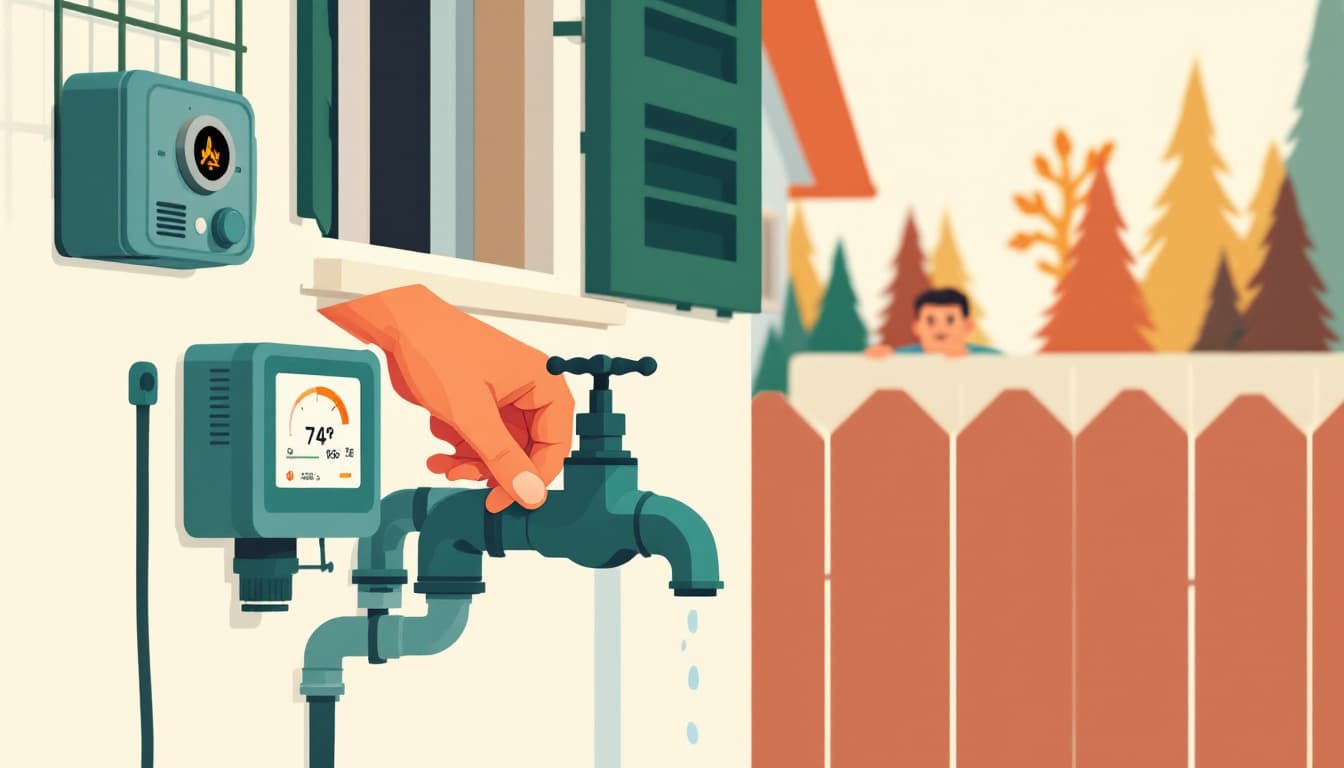
Audit your outdoor water use this weekend, not next month. Outdoor irrigation accounts for roughly half of residential water use in Colorado during summer months, per Colorado Water Conservation Board estimates. Walk your system. Find the zones that run too long or hit pavement. Most smart controllers let you dial down run times by 20% without any visible stress on a lawn if you do it before July heat sets in. That reduction is the single highest-leverage move available to the average household.
Find out your utility's current stage and what triggers the next one. Aurora, Denver Water, and Colorado Springs Utilities all publish tiered water restriction plans online. Most households have never read them. Spend fifteen minutes. Know at what shortage stage outdoor watering gets restricted to two days per week, because that's the threshold where garden planning changes and landscape plants start dying if you aren't ready. Knowing the rules before they apply lets you make rational choices instead of reactive ones.
Store 30 gallons of tap water before August. This isn't about the grid going down. It's about the 48-72 hour window when municipal supply disruptions — a main break, a contamination event, a boil order — leave you without usable water. Thirty gallons covers two adults and basic sanitation for three days. Food-grade stackable containers cost under $30 total. Fill them from your tap. Rotate every six months. This is the least dramatic, most effective water prep move a household can make.
Plant one thing that doesn't need your water system. If you have any outdoor space, put one xeriscape-adapted plant in the ground this summer — a native grass, a rabbitbrush, a desert willow. You don't need to overhaul your yard. One plant is a low-stakes way to start learning what thrives in Colorado conditions without irrigation, and it builds your intuition for a landscape that may eventually need to cost less water.
Talk to your neighbors before restrictions get mandatory. Aurora's framing — "work together" — is actually the right framing. Voluntary conservation works best when it's social. If your HOA or block is still running sprinklers at noon in July, a casual conversation now is more effective than resentment during a Stage 2 restriction. Resilience at the neighborhood level is what buffers households from the sharpest edges of any shortage.
The goal here is not to suggest that Colorado is on the edge of a water catastrophe. Aurora is a well-managed utility and it has options. But "well-managed" doesn't mean "unlimited," and the long arc of Front Range water is toward tighter summers, not looser ones. Building a household that uses water thoughtfully is durable preparation — for this year, and for the ones that follow.