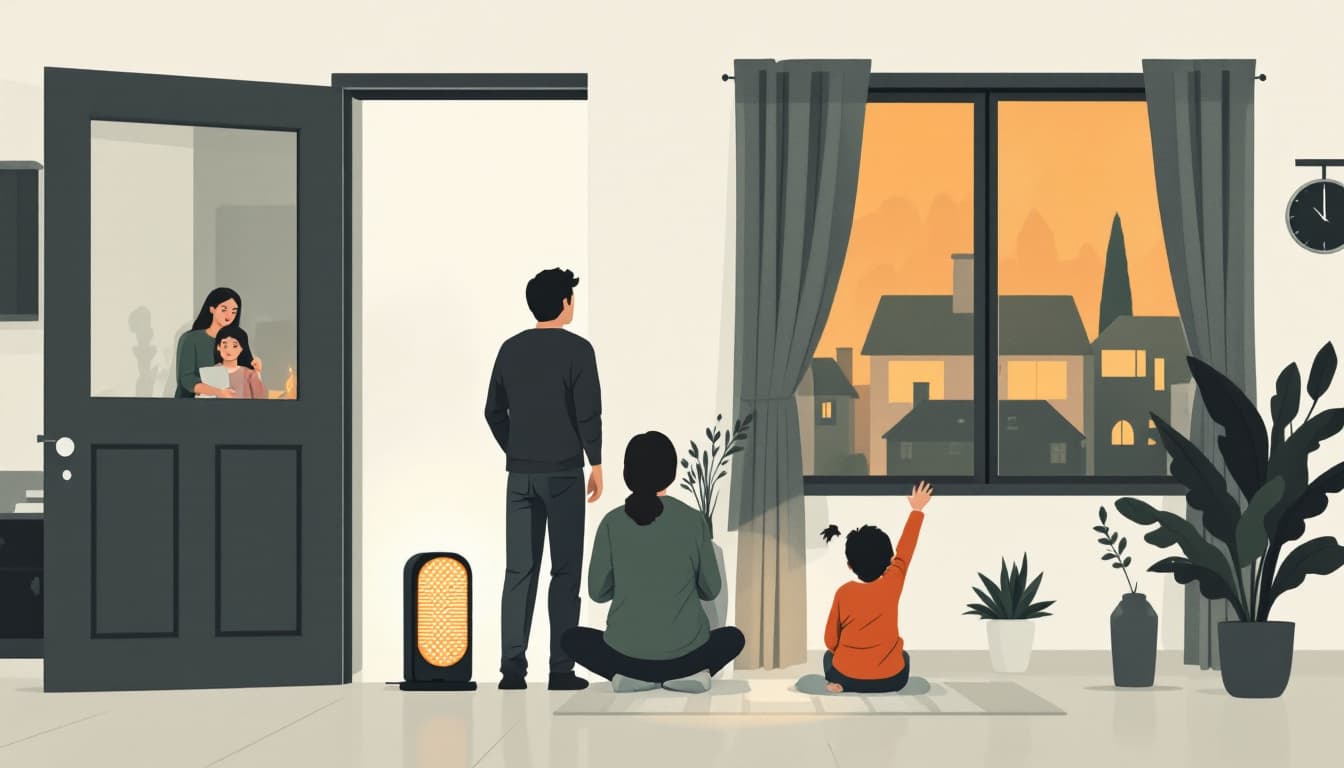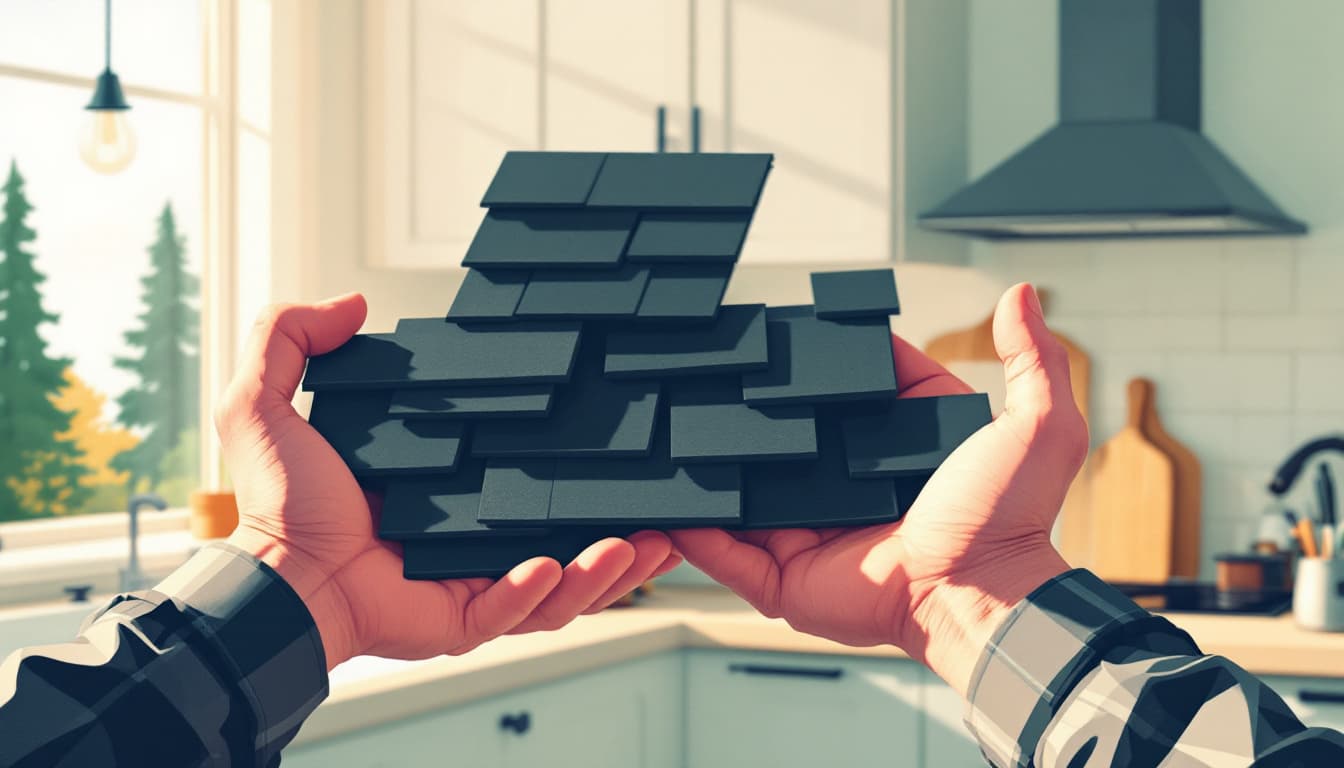
A report this week from markets.businessinsider.com highlights a growing commercial reality: fire-resistant building products don't need regulatory tailwinds to find buyers. The piece profiles CEDUR, a manufacturer of Class A fire-rated synthetic roofing tiles, noting that the company is expanding its market presence independent of a pending U.S. Supreme Court case that could reshape how wildfire suppression and recovery costs are allocated among utilities, insurers, municipalities, and homeowners.
The Supreme Court case in question centers on whether electric utilities can be held liable for wildfire ignition costs that cascade into billions of dollars in damages — a legal question that has direct implications for how insurance markets price risk in fire-prone states like California, Colorado, and Oregon. Legal analysts have noted that the Court's eventual ruling could either concentrate financial exposure on utilities or distribute it more broadly, but the timeline for a decision remains unclear. Markets.businessinsider.com reported that CEDUR's leadership is explicitly positioning the company's products as a market-driven hedge against that uncertainty, arguing that property owners and builders are already making hardening decisions without waiting for the legal landscape to settle.
CEDUR's roofing products are rated Class A under ASTM E108 and UL 790 fire testing standards — the highest classification available for roofing materials, indicating the greatest resistance to severe fire exposure from external sources. The company produces synthetic slate and shake profiles designed to mimic traditional wood or stone aesthetics while meeting or exceeding International Wildland-Urban Interface Code (IWUIC) requirements. Pricing for Class A synthetic roofing tiles generally runs higher than asphalt shingles but has become increasingly competitive as insurance carriers in high-risk counties have begun offering premium discounts for documented fire-resistant installations, in some cases reducing annual premiums by 5 to 20 percent depending on the carrier and fire hazard severity zone.
What the general business press coverage tends to omit is the ignition pathway that roofing actually interrupts. Wildfire researchers at the Insurance Institute for Business and Home Safety (IBHS) have documented through repeated structure ignition experiments that the roof deck and vents are the primary ember entry points during a wildfire event — not the walls, not the windows. In tests conducted at their South Carolina research facility, structures with Class A roofing and sealed soffits survived sustained ember exposure that destroyed otherwise identical structures with standard asphalt or wood shake roofs. This means the roofing material isn't just a cosmetic or insurance-compliance choice; it's the specific component most likely to determine whether a structure survives initial ember cast during a wind-driven fire, often hours before flame contact occurs. That physical reality is what's driving builder and homeowner demand regardless of what the Supreme Court ultimately decides about utility liability.
The broader insurance market context reinforces CEDUR's timing. Several major carriers — including State Farm and Allstate — have curtailed or suspended new homeowner policy issuance in California over the past two years, a retreat that has forced hundreds of thousands of property owners into California's FAIR Plan, the state's insurer of last resort. FAIR Plan policies carry higher premiums and lower coverage limits, creating a direct financial incentive for property owners to document structural hardening measures that might qualify them for private market re-entry. Fire-resistant roofing, because it is visible, measurable, and tied to a recognized testing standard, is one of the more straightforward hardening upgrades for an insurer or underwriter to verify and credit. Our own look at CEDUR's BELLAFORTÉ Shake tiles covers the installation and weight considerations that matter when retrofitting an existing structure.
The Supreme Court's wildfire liability case has no confirmed decision date as of this writing, but the commercial momentum markets.businessinsider.com describes suggests that at least one segment of the building materials industry has concluded that the structural risk calculus — not the legal one — is the more durable sales driver.