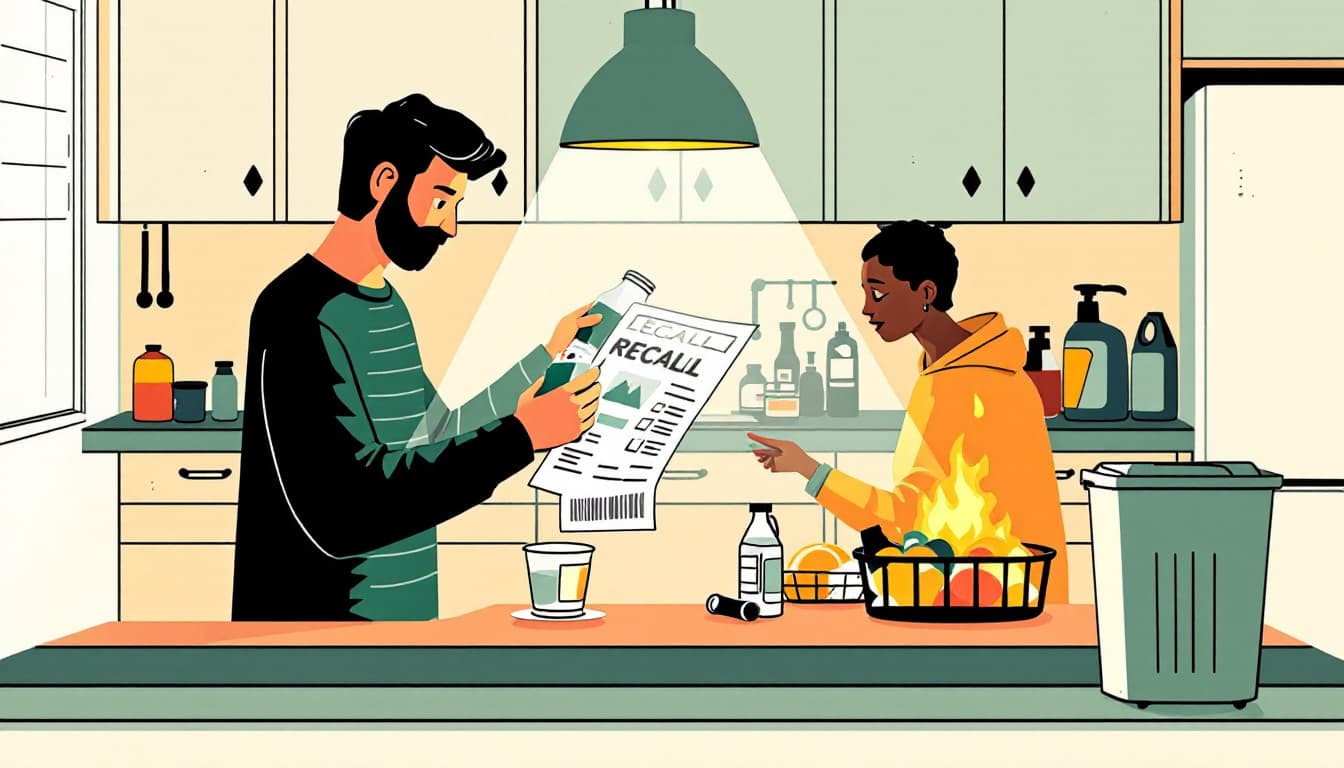
A Colorado cannabis customer who bought a product last month may have no idea it has since been flagged for contamination. That gap between a state recall and a household's awareness is exactly where real harm happens.
A report this week from MSN covered contaminated marijuana found at Colorado-licensed dispensaries and walked readers through the state's recall-check process. The coverage was useful as far as it went. What it didn't cover was how to build a simple, repeatable habit around product safety for any regulated consumable, cannabis included.
What's actually changing
Colorado's Marijuana Enforcement Division (MED) maintains a publicly accessible recall database. Contamination flags in the cannabis supply chain are not new, but the frequency and variety of the issues have grown alongside the market. The state now licenses hundreds of retail dispensaries, and contamination causes range from pesticide residue to microbial growth to mislabeled potency. None of those are trivial, particularly for people using cannabis for pain management, sleep, or anxiety, where dosing and product purity matter.
The structural problem is that recall notifications are passive. The MED publishes the information. Individual dispensaries are supposed to notify customers. But if you paid cash, used a fake name on a loyalty account, or simply didn't opt into notifications, the information may never reach you. The burden of awareness falls on the consumer.
This is not unique to cannabis. It is the same dynamic with USDA meat recalls, FDA supplement alerts, and EPA drinking-water advisories. The agency posts it; you have to go find it. Colorado households that build a once-a-month check habit for any recalled consumable they use regularly are simply better positioned than households that rely on passive notification.
What we'd actually do
Check the MED recall page directly, this week, before consuming anything you bought in the last 60 days. The Colorado MED posts active recalls at the state's official regulatory site. Pull up your recent dispensary receipts, cross-reference the product names and batch numbers, and confirm nothing you have at home is on the list. This takes under ten minutes.
Set a recurring monthly calendar reminder called "recall check." Make it broad enough to cover cannabis products, any supplements in the house, and packaged foods you buy regularly. The USDA Food Safety Inspection Service and the FDA both maintain searchable recall databases. One 15-minute sweep per month covers most of the household exposure surface. The habit costs nothing and compounds over time.
Stop buying cannabis without a receipt or batch label. If you purchase from a licensed Colorado dispensary and the product has no Metrc tracking label or the staff can't produce a batch number on request, that is a red flag. Licensed Colorado retailers are required to track product through the state's seed-to-sale system. A product without traceable documentation cannot be checked against any recall database, no matter how careful you are.
Tell your household members what to do if they feel sick after consuming a regulated product. Colorado Poison Control (1-800-222-1222) handles cannabis-related calls and can advise on symptoms. If a product later turns out to be on a recall list, that call history also becomes documentation. Know the number before you need it.
Consider the same scrutiny for supplements and herbal products in your home. Contamination is not a cannabis-specific problem. The supplement industry is regulated far more loosely than cannabis in Colorado. If you are applying careful batch-number thinking to dispensary products, extend it to anything else you are ingesting that isn't a prescription drug.
The bigger picture
Durable households don't wait for bad news to find them. They build lightweight, low-friction systems that catch problems early. A monthly recall check is not a prepper behavior in the dramatic sense. It is basic household risk management, the same category as checking your smoke detector batteries or reviewing your homeowner's insurance once a year.
Colorado has one of the more transparent cannabis regulatory frameworks in the country. The tools to protect yourself are public and free. The only thing required is the habit of using them.