On a Monday morning in early August, KMBC's meteorologists flagged an Excessive Heat Warning dropping over the Kansas City area to open the week. Not a Heat Advisory — the lower tier — but the full Warning, which the National Weather Service issues when heat index values are expected to hit dangerous thresholds for multiple consecutive hours. That distinction matters because it triggers different public-health responses, and it should trigger a different household response too.
Most families won't do anything different. They'll turn the AC a degree or two colder, drink an extra glass of water, and move on. That's usually fine — until the power blinks, the window unit dies, or an elderly parent lives alone two miles away.
What's actually changing
Heat warnings have become a more common feature of late summer in the central and southern U.S. over the past decade. The events themselves aren't new; the duration and nighttime minimums are what's shifting. When overnight lows stay above 80°F, the human body loses the recovery window it depends on. A house that was merely hot at 9 p.m. can become genuinely dangerous by 3 a.m. if the AC fails.
Grid stress is the compounding factor. Extreme heat events drive peak electricity demand precisely when generation and transmission equipment is already running at sustained high loads. Utilities do shed load during these periods. The probability of any individual home losing power during a warning event is still relatively low — but it is not zero, and it clusters in older distribution infrastructure neighborhoods.
The other factor: heat illness moves faster than most people expect. Confusion, a classic early sign of heat stroke, is often misread by the person experiencing it. The gap between "feeling hot and uncomfortable" and "in serious trouble" can be under an hour in a closed, unventilated space.
What we'd actually do
Identify your household's most vulnerable person, then act for them specifically. If you have an infant, a person over 65, someone on diuretics or beta-blockers, or anyone with heart or kidney disease, their heat tolerance is genuinely lower than yours. Don't manage the warning as an average — manage it for the most exposed member of your household, and check in on neighbors who live alone.
Know your nearest cooling center before you need it. Every county in a heat-warning zone is required to open cooling centers, typically at libraries, community centers, and fire stations. Look it up now, map the address, and note the hours. Doing this at 2 a.m. when the AC has quit and a family member is disoriented is the wrong time to start searching.
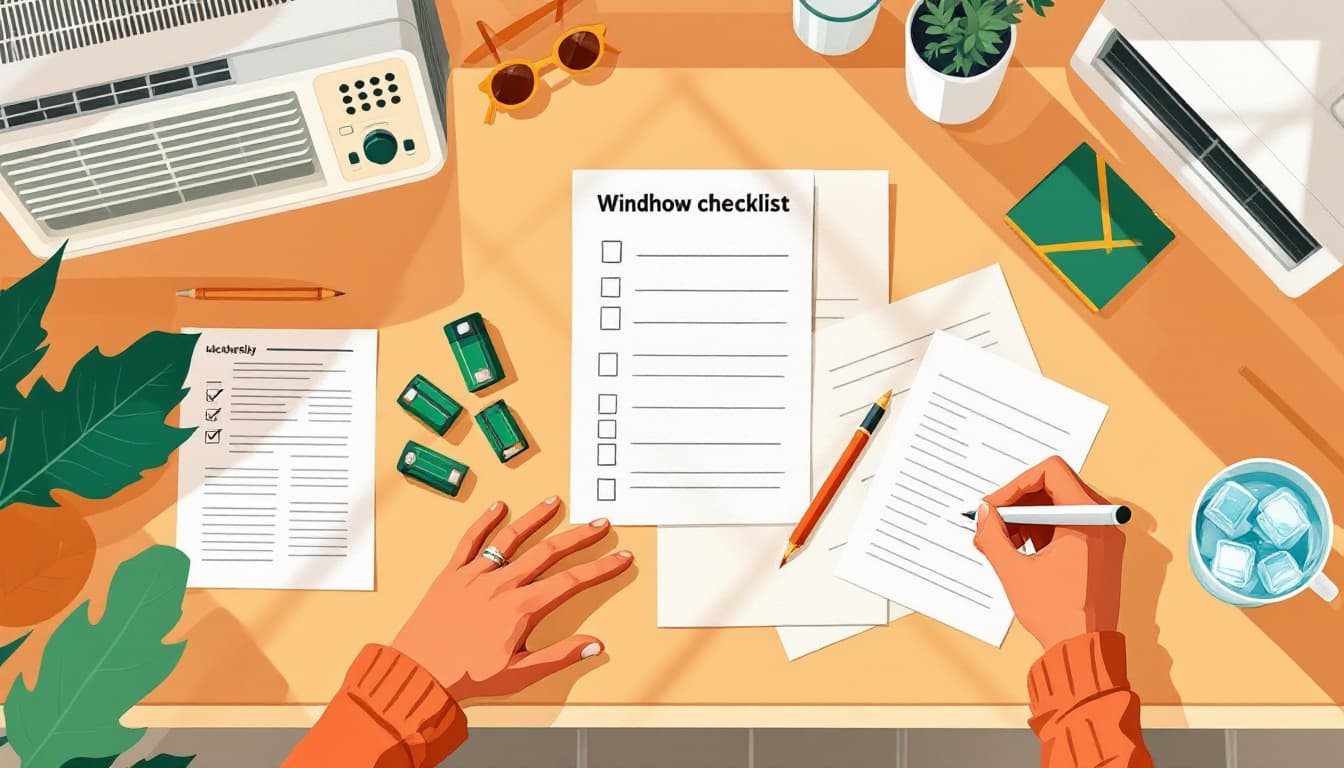
Check your window unit or central AC filter today. A clogged filter forces the system to run longer to achieve the same cooling. During a multi-day heat event, that extra runtime is what pushes aging units to failure. A clean filter takes five minutes and costs nothing if you already have a replacement on hand.
Build a 72-hour water buffer. Dehydration accelerates heat illness. If you're on municipal water, you don't need a cistern — you need enough clean water stored that a 24-hour boil notice or a brief service interruption doesn't strand you. That's roughly one gallon per person per day, stored in a cool, dark location. Three gallons per person per household member gets you through a long weekend safely.
Have a go-to location that isn't your house. A family member's home, a hotel within 20 miles, or a friend with a basement. This is not catastrophizing — it's the same logic as knowing a gas station on an empty highway. You may never use it, but having the decision made in advance means you make it while you're still thinking clearly, not while you're already heat-stressed.
The bigger picture
Heat preparedness gets treated as a seasonal nuisance rather than a household resilience problem. The equipment fails, the grid strains, and the most vulnerable people pay the highest price — not because the warning wasn't issued, but because no one did the audit when it was still Tuesday afternoon and the power was still on.
The goal here isn't a bunker. It's a household that can absorb a two- or three-day disruption without anyone getting hurt. A clean AC filter, a list of cooling centers, and three gallons of water per person is a few hours of work and maybe $30. That's the entire job for most families in a heat warning zone.
Durability doesn't require drama. It requires doing the boring things before they become urgent.