The National Weather Service has been posting excessive heat warnings across the Southwest, Southeast, and parts of the Midwest since late May. A report this week from Travel And Tour World flagged government heat maps showing temperature anomalies severe enough to affect flights, outdoor tourism, and hotel infrastructure across multiple U.S. regions this summer. The framing was aimed at travelers. But the more pressing question isn't whether to cancel a trip to Phoenix — it's whether your household is actually set up to function safely when ambient temperatures stay above 95°F for two or three weeks at a stretch.
That's the part the travel press doesn't cover.
What's actually changing
Extreme heat used to be a regional, episodic problem. The pattern shifting is duration and geographic spread. The Southwest has always had brutal summers. What's different is that heat events are now lasting longer — multiple weeks rather than multiple days — and pushing into areas that historically had natural cool-down windows at night. When overnight lows stay above 80°F, the body never fully recovers. That's when heat becomes a cumulative medical problem, not just an uncomfortable afternoon.
For households, this creates a specific cluster of risks that aren't dramatic but are genuinely dangerous:
Power grids strain and sometimes fail. Grid operators across Texas, the Carolinas, and the Mountain West have all issued conservation advisories during recent heat events. When the grid is stressed, rolling brownouts become possible — and that's the moment your central air, refrigerator, and phone charger stop working simultaneously.
Indoor air quality degrades. Sealed, over-air-conditioned spaces collect particulates and VOCs. Homes with older HVAC filters and no ventilation strategy can become stuffy health hazards within 48 hours of closing everything up.
Food safety windows shrink fast. If power goes out for four hours on a 100°F day, your refrigerator is no longer safe. Most families have no plan for this.
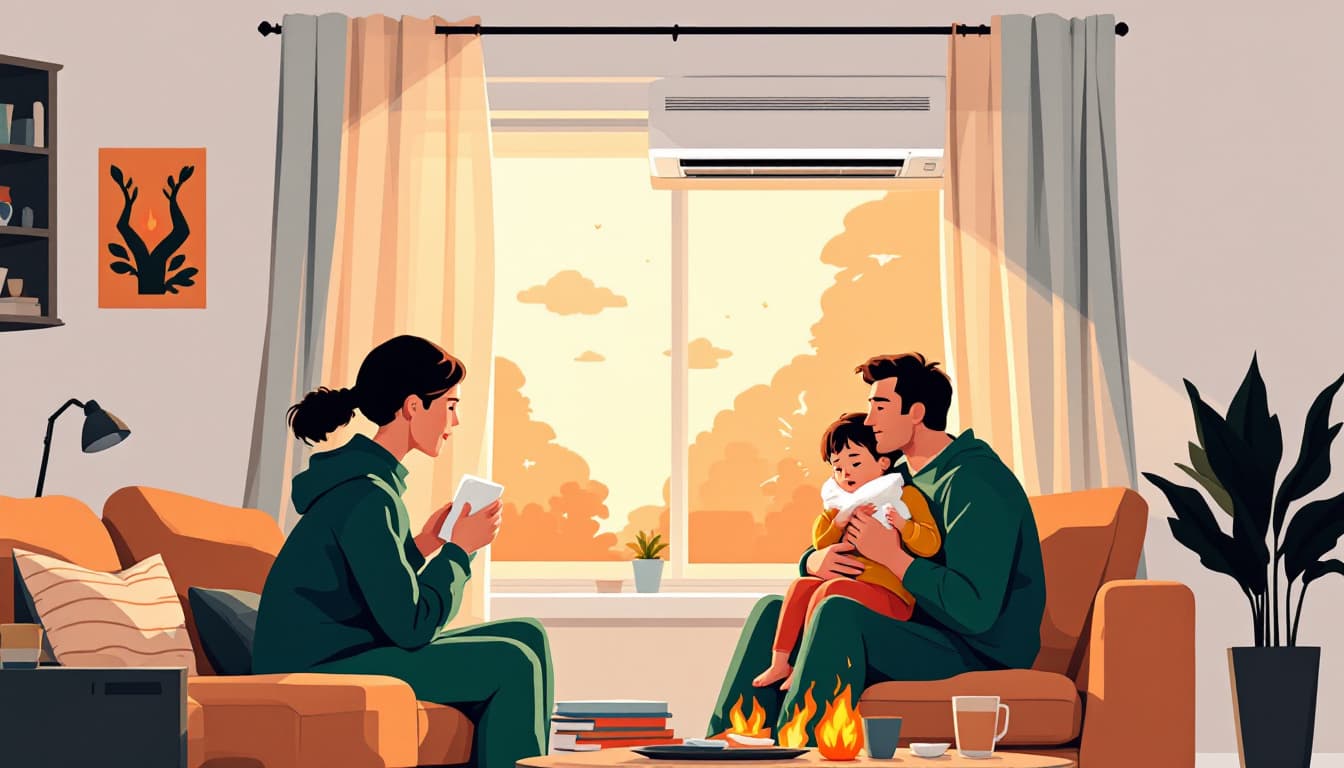
Vulnerable household members hit limits before adults do. Children under five, adults over 65, and anyone on diuretics, antihistamines, or psychiatric medications all have compromised heat regulation. This isn't rare — it's a significant portion of most households.
What we'd actually do
Audit your cooling redundancy before June. Your central air is a single point of failure. A single window unit or portable AC for one room — your bedroom, your coolest room — costs $150–$300 and gives the household a survivable fallback if the main system fails or the grid dips. If you already have one, test it now, not during the first heat wave.
Running your system hard in a heat emergency when it hasn't been serviced in two years is how compressors fail. Schedule an HVAC checkup in the next two weeks, or at minimum replace the filter and clear debris from the outdoor condenser unit yourself. A clogged system works harder and fails sooner.
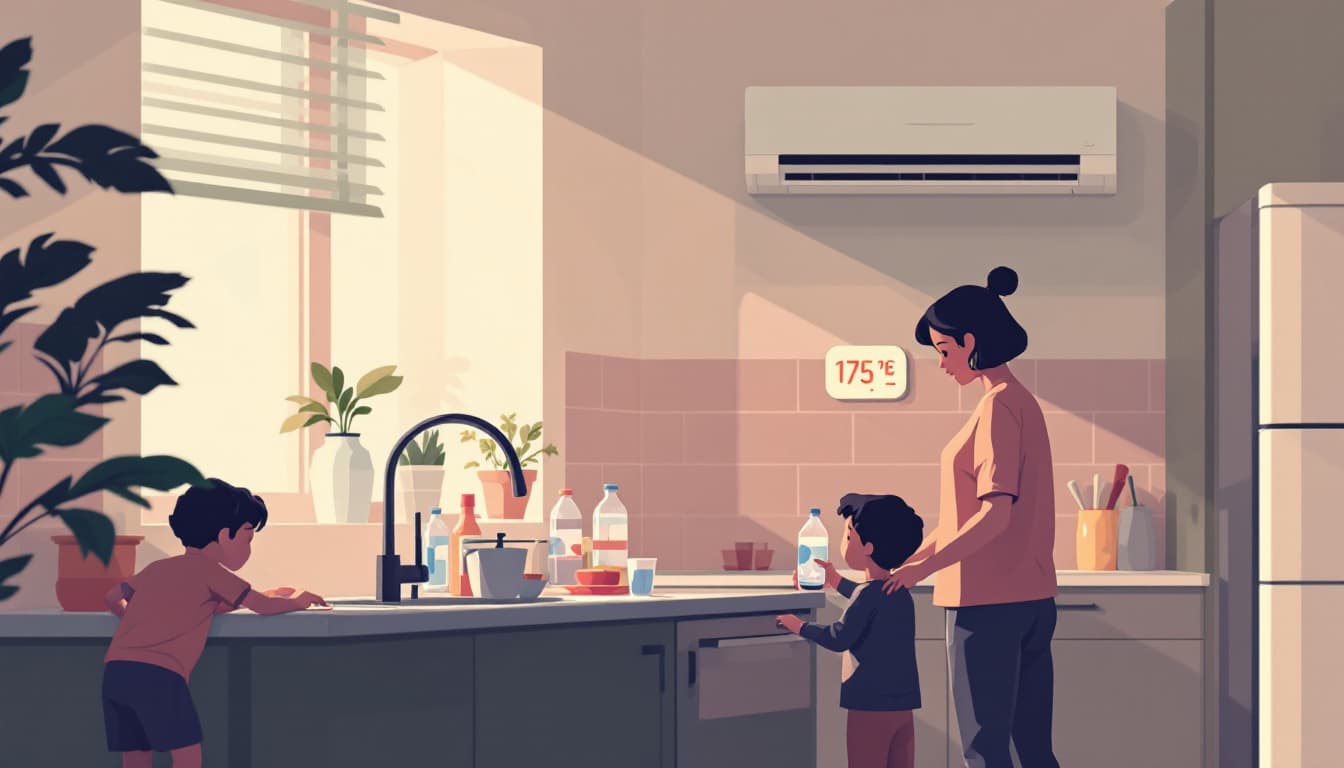
Build a 72-hour cold food plan. Take stock of what's in your fridge and freezer. Know your plan if the power goes out for six to twelve hours: what gets moved to a cooler, what gets cooked immediately, what gets discarded. A $25 bag of dry ice can keep a full cooler safe for 24–36 hours. Most families have never thought this through until they're standing in a warm kitchen at 11 p.m. making panic decisions.
Create a household heat protocol. Decide in advance what temperature triggers what action: at 98°F indoors, everyone moves to the cool room; at what point do you go to a library or cooling center; who checks on which neighbors. Writing this down takes fifteen minutes and removes the cognitive load during an actual event, when heat itself impairs judgment.
Know your medication list. If anyone in your household takes a medication that affects heat regulation — common blood pressure drugs, antihistamines, antidepressants, diuretics — call the prescribing doctor's office now and ask what heat precautions apply. This is a free call. Most people never make it.
The bigger picture
Heat is the deadliest weather hazard in the United States by annual death count, and it kills quietly — usually elderly people alone in apartments, or workers without access to shade and water. It doesn't make for dramatic news footage, which is part of why households chronically underprepare for it.
The goal here isn't to brace for the apocalypse. It's to close the gap between your household's current setup and the conditions a bad July can create. One functional window unit, one cold-food plan, one conversation about who checks on the neighbor upstairs — that's the work. It's not expensive. It's just easy to skip until it isn't.