A KMBC report this week put an Extreme Heat Warning on the calendar from Sunday through Thursday — five consecutive days. That span matters more than the peak temperature forecast. Human bodies handle one brutal afternoon. They struggle to recover when nighttime lows stay elevated and there is no physiological reset between days. By day three of broken sleep and sustained core-temperature stress, even healthy adults make worse decisions, slower movements, and more medical mistakes at home.
This is not a freak event. Multiday heat domes over the central and southern plains have become a recurring pattern in recent summers, and municipal infrastructure — power grids, cooling centers, emergency medical services — is sized for the average, not the extended outlier.
What's actually changing
Single-day heat advisories are manageable with common sense. Five-day warnings expose the gaps in how most households are set up.
Grid load is cumulative. When every air conditioner in a region runs near capacity for 120 consecutive hours, transformer stress and rolling brownouts become realistic. Utility companies typically manage demand through voluntary curtailment programs, but those programs depend on households knowing they exist and opting in before the event starts — not during it.
Cooling centers have limits. Most municipalities operate cooling centers staffed by volunteers during extreme events. They are a genuine resource. They are also crowded, sometimes distant, and not always equipped for people with mobility limitations or pets. Knowing your nearest location now costs nothing.
At-home cooling degrades over days. A window unit that keeps a bedroom at 78°F on day one may struggle to do so on day four if the outdoor condenser is working against sustained ambient heat. Filters that were "fine" in May become a performance drag in a prolonged event.
The vulnerable household members are the ones you might underestimate. Recent public-health research consistently flags adults over 65, infants, and anyone on diuretics, antihistamines, or certain cardiac medications as high-risk during sustained heat — not just the homeless or those without AC. If someone in your house takes daily medication, check the package insert for heat interaction notes this week, not mid-event.
What we'd actually do
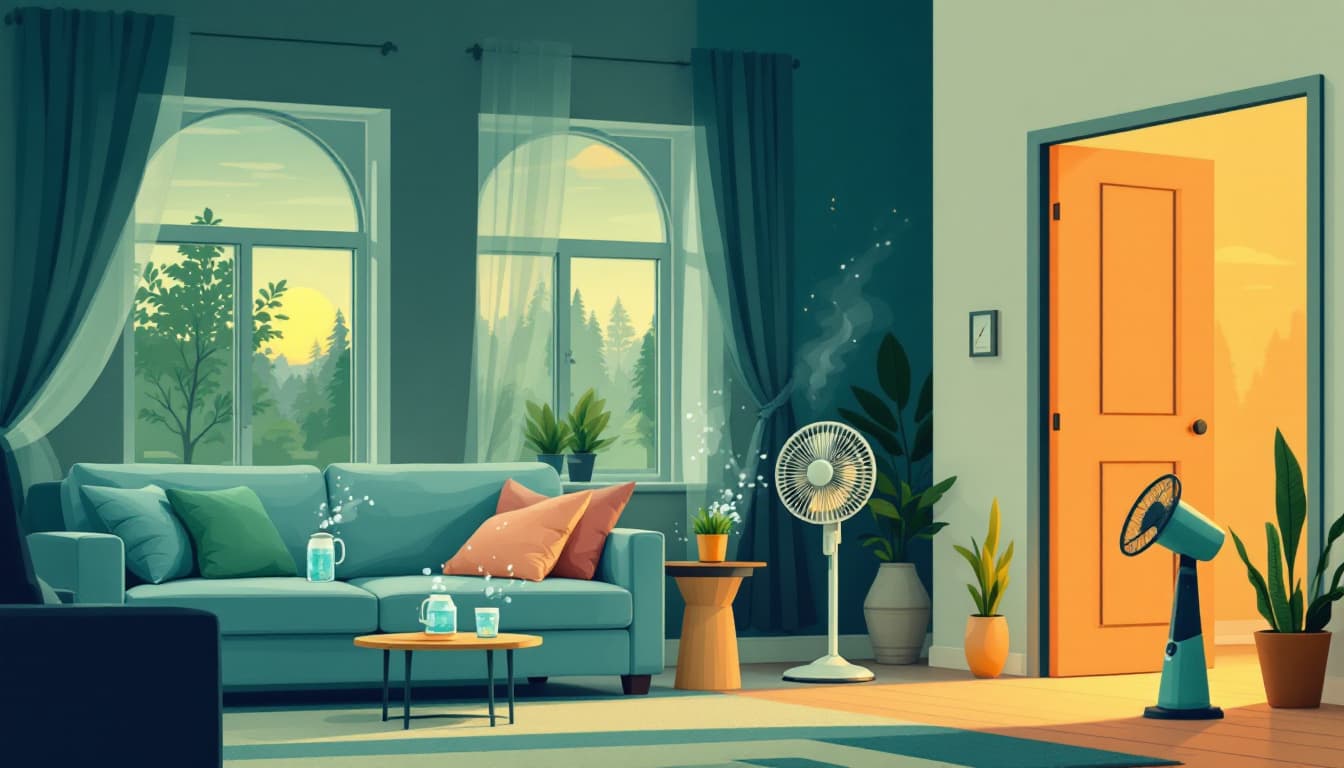
Locate and pre-cool one room, starting tonight. Run the air conditioner in your most-insulated interior room for two hours before you sleep Sunday. Thermal mass matters: a room that enters Monday at 70°F stays cooler longer than one that starts at 76°F. This costs roughly the same electricity as running the unit during the heat of the day, and it buys you buffer.
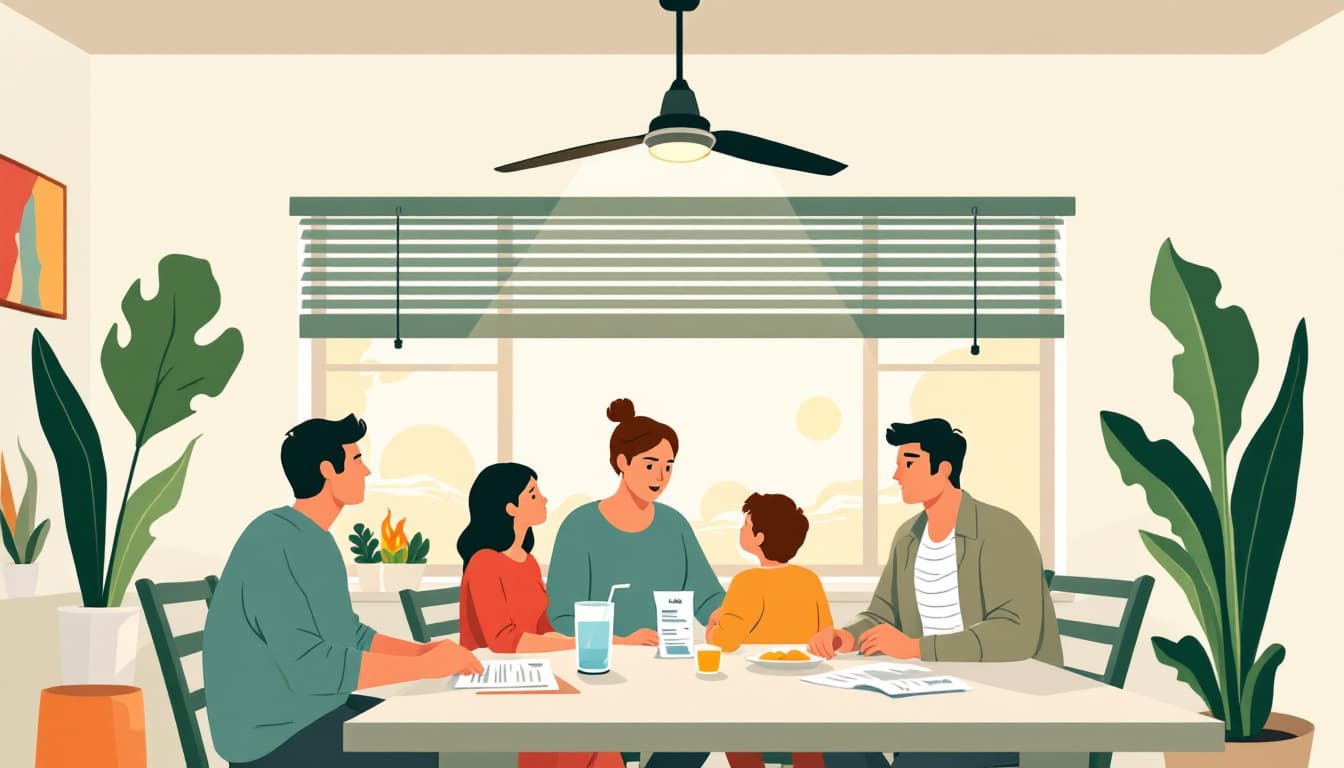
Call or text your two highest-risk neighbors before Sunday. Not because you'll be their caretaker for five days, but because a thirty-second check-in on day two or three can catch heat illness before it becomes a 911 call. Isolation is the actual killer in prolonged heat events; knowing someone is checking in changes behavior.
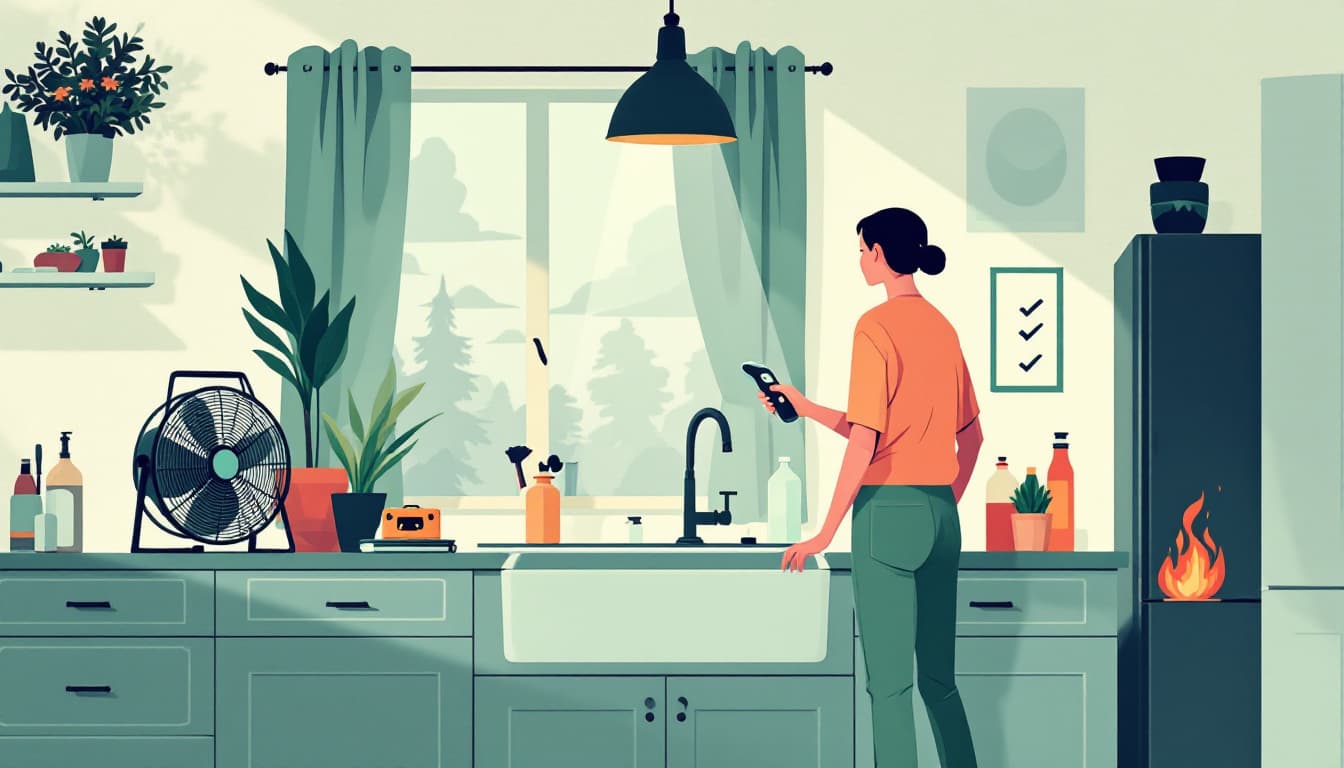
Clean your AC filter this weekend. A clogged filter can reduce unit efficiency by 15 percent or more, according to Department of Energy guidance. Fifteen minutes and a $5 replacement filter are the cheapest performance upgrade available right now. If you have a window unit, also check that the seal around the unit is intact — hot air infiltration undoes your cooling investment continuously.
Sign up for your utility's demand-response or peak-time rebate program today. Most major utilities offer financial credits for customers who allow automated thermostat adjustments during grid-stress periods. Enrollment before a warning period is usually required. Fifteen minutes on your utility's website this weekend can mean bill credits and reduces the chance of a hard brownout in your area.
Make a written "grid-out" plan for hour one. Not a bug-out bag — a one-page note on the fridge. Where will your family go if power is out for more than four hours during peak afternoon heat? A family member's house, a library, a mall? What does that require (car keys, medications, phone charger)? Families who rehearse the decision in advance make it faster and calmer under stress.
The bigger picture
Extreme heat kills more Americans annually than any other weather event. It does so quietly, indoors, in houses that looked fine from the outside. The households that come through multiday events best are not the ones with the most gear — they are the ones that made two or three small decisions before conditions made thinking clearly harder.
Durability is not about surviving a collapse. It is about your family functioning normally while everyone around you is stressed. This week is a rehearsal for that.