A Fox Business report this week flagged a recall of nearly 30,000 pounds of raw beef that entered U.S. distribution without passing the federal import inspection it was required to clear. No confirmed illnesses were tied to the lot at time of reporting, but the beef had already moved into the supply chain before the gap was caught.
That detail — already moved — is the part worth sitting with.
What the inspection gap actually means
Federal import inspection for raw beef is not optional bureaucracy. It's the checkpoint where USDA's Food Safety and Inspection Service (FSIS) verifies that product from a foreign processor meets U.S. standards for pathogens like E. coli O157:H7 and Salmonella. When product skips that step and lands on shelves, there is no data trail confirming it was safe to sell.
This isn't an isolated event. FSIS recall databases show imported beef appearing in recall notices multiple times per year, typically for either missed inspection or labeling failures. What changes case to case is how far distribution traveled before anyone noticed.
Florida is a high-volume import state. Port of Miami and Port Tampa Bay both handle significant refrigerated cargo, and the state's large population of restaurants, hotel kitchens, and big-box grocery chains means recalled product can scatter fast. If a lot enters Florida distribution, it doesn't stay in one ZIP code.
The honest uncertainty here: FSIS notices typically identify the establishment number and date range, but retail-level traceback to specific stores is rarely complete. If you've bought imported raw beef in the past month and want to cross-reference, the FSIS recalls page at fsis.usda.gov lists active notices with lot codes.
What we'd actually do
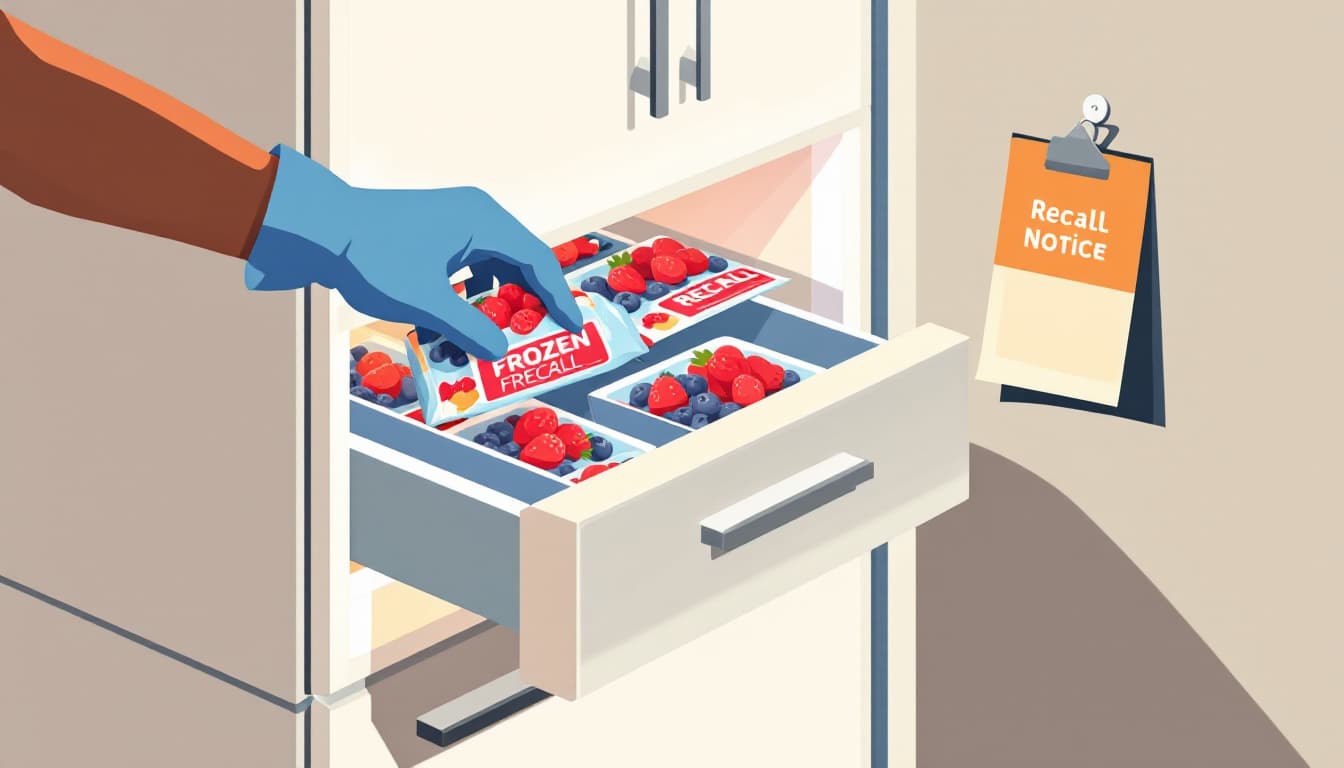
Check your freezer against the active FSIS recall notice before you cook anything. Pull out any raw beef you have on hand — including ground beef and bulk buys from warehouse stores — and look for the establishment number on the label. FSIS publishes the specific establishment code and production date range in the recall notice. This takes five minutes and is the only action that actually reduces your personal exposure.
If the label says "Product of USA" that's a meaningful data point, but not a guarantee of domestic origin throughout processing. Under current labeling rules, beef can be imported, processed domestically, and still carry a U.S. origin label. When in doubt, the establishment number is more reliable than the origin claim.
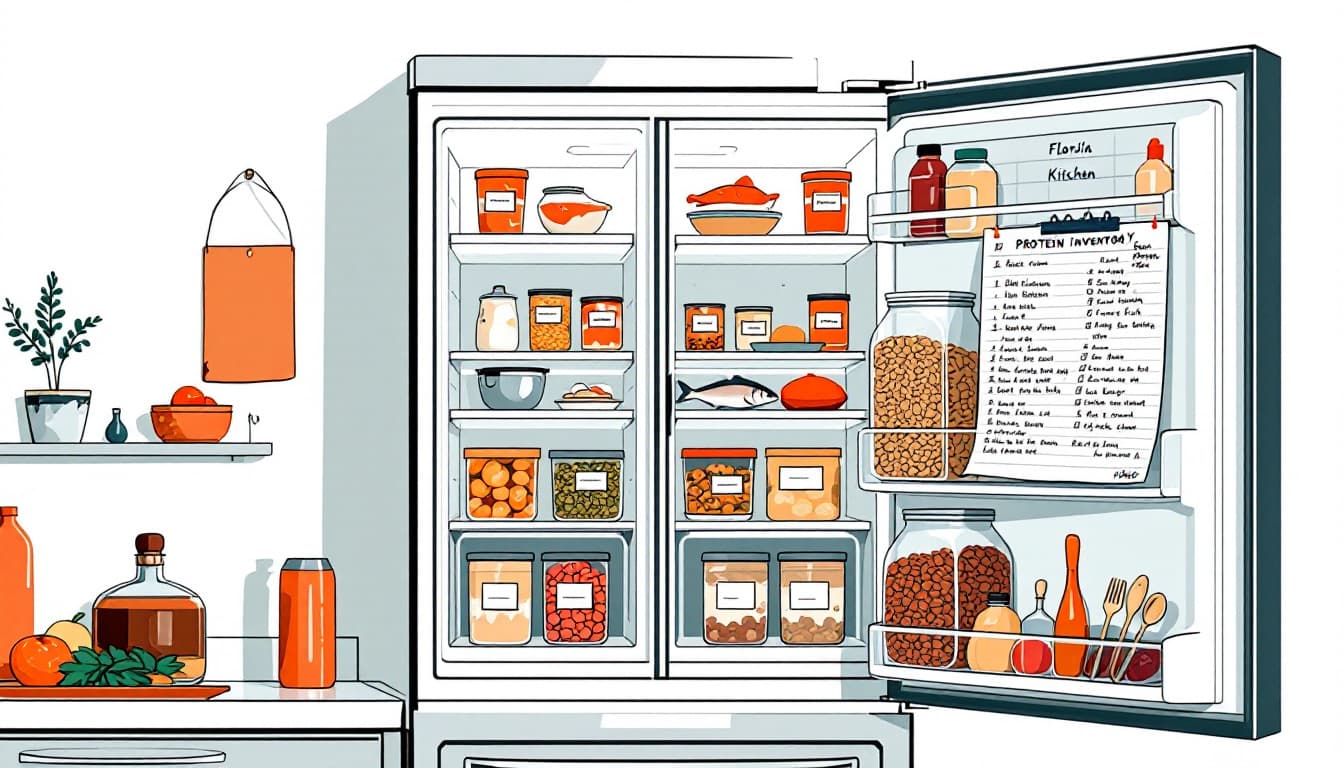
Build a 30-day protein reserve that doesn't depend on fresh imported beef. Florida households have good options here. Canned fish — tuna, salmon, sardines, mackerel — stores for two to four years and provides complete protein without a cold chain. Dried beans and lentils, combined with rice, cover essential amino acids and run roughly $1 to $2 per serving in bulk. If you do want shelf-stable meat, canned chicken and salmon from domestic processors are widely available at Publix and Winn-Dixie. Start with enough for two weeks and work up from there.
Know your butcher, or choose one. Florida has a working cattle industry, primarily in Okeechobee, Osceola, and Highlands counties, and a number of local processors who sell direct or through farmers markets in Gainesville, Sarasota, and the Treasure Coast. Beef with a short chain from a Florida ranch to a state-inspected processor to your freezer carries different risk than a lot that traveled from a foreign facility through two distribution hubs. This isn't about fear — it's about knowing the chain.
Register for FSIS and FDA recall email alerts. Go to fsis.usda.gov/recalls and subscribe. Alerts arrive within hours of a public notice and include establishment numbers and lot codes. This costs nothing and takes two minutes. Florida's distribution speed means you want to know before you cook, not after.
The bigger picture
Recalls like this one are not evidence that the food supply is broken. They are evidence that the inspection system caught a gap — eventually. What the system is less good at is speed and retail-level traceback. The time between "product ships" and "recall notice posts" is typically days to weeks, and in that window, product gets purchased, stored, and eaten.
The household goal isn't to panic-buy or swear off imported beef. It's to maintain enough food variety and storage depth that a single recalled lot doesn't force a last-minute grocery run at the worst time — which in Florida often coincides with a storm, a heat event, or a grid disruption that complicates everything else.
A diverse protein shelf, recall alert subscriptions, and five minutes to check a lot code: that's the full ask this week.