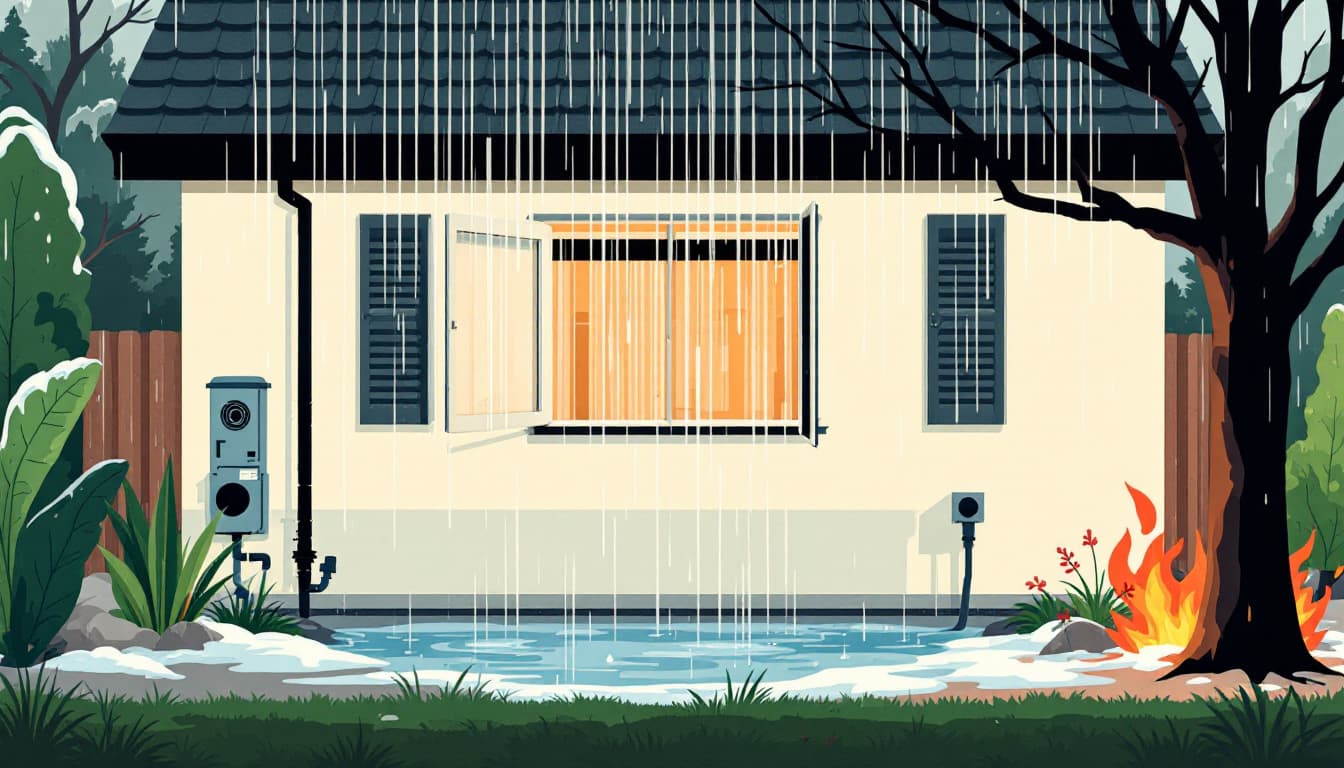
A report this week from The Palm Beach Post highlighted a familiar Florida paradox: the rainfall needed to chip away at the state's persistent drought arrived precisely when millions of residents and visitors had outdoor Labor Day weekend plans on the calendar.
Florida has been grappling with drought conditions across significant portions of the peninsula heading into the 2026 fall season. The St. Johns River Water Management District and the South Florida Water Management District — which oversees water resources across a 16-county area stretching from Orlando south through the Everglades — have both been monitoring below-normal rainfall totals that accumulated through much of the summer. Drought stress was particularly notable across South Florida, including Palm Beach, Broward, and Miami-Dade counties.
The holiday weekend precipitation, while unwelcome for beachgoers along the Atlantic Coast and Gulf Coast shorelines, represented meaningful recharge for aquifers and surface water systems that supply much of the state's drinking water. Florida's primary freshwater source — the Floridan Aquifer System, one of the most productive aquifer systems in the world — depends heavily on seasonal rainfall to maintain pressure and water table levels. When drought persists long enough, municipalities that draw from the aquifer or from surface reservoirs can face supply constraints and mandatory conservation orders.
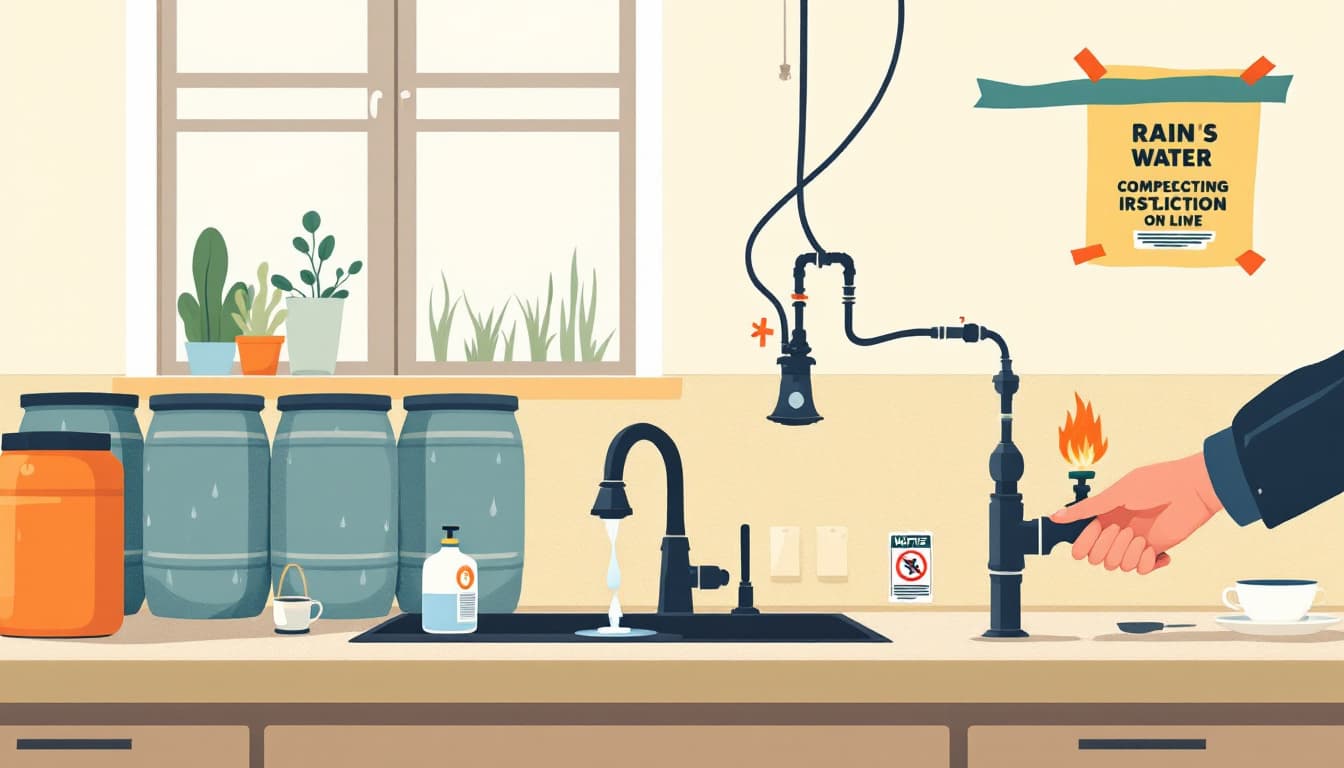
From a preparedness standpoint, the drought-to-deluge pattern that characterizes Florida's subtropical climate has direct implications for the state's infrastructure resilience. Florida's water utilities, power grid, and stormwater systems are engineered around average seasonal rainfall assumptions; extended drought followed by intense burst precipitation — a pattern climate data suggests is becoming more frequent — stresses all three simultaneously. Rapid soil saturation after dry periods increases runoff and flood risk in low-lying coastal communities, while the same event that taxes municipal stormwater infrastructure can also trigger brief outages through lightning strikes on Florida Power & Light and Duke Energy Florida transmission lines. Floridians who monitor water storage levels at home and understand their local water district's drought response stages are better positioned to navigate these swings without disruption. The WaterSense-rated tank storage options reviewed here can be a practical reference when evaluating household water reserves during extended drought watches.