The rain came. The restrictions didn't lift.
That's the quiet news out of the Apopka area this week. A report from theapopkavoice.com notes that recent rainfall brought some relief to Central Florida, but water management authorities kept extreme drought restrictions firmly in place. If you live anywhere in the St. Johns River Water Management District or Southwest Florida Water Management District — which together cover most of the peninsula — that gap between "it rained" and "restrictions lifted" is worth understanding. It's not bureaucratic slowness. It's hydrology.
What's Actually Happening Underground
Florida's water supply is not surface water. Most of the state draws from the Floridan Aquifer System, a limestone formation that recharges slowly. A few inches of summer rain replenish surface lakes and raise soil moisture readings. The aquifer moves on a different schedule — weeks to months of sustained above-average rainfall before water managers see meaningful recovery in well levels and spring flows.
Extreme drought classifications from the U.S. Drought Monitor also account for cumulative deficit, not just recent totals. When a region has been running a moisture deficit for several months, a single wet week moves the needle on the map but rarely changes the underlying supply picture enough to ease formal restrictions.
The practical consequence: Florida households in restricted areas are still looking at limits on irrigation days, car washing, and landscape watering. Violating those limits carries fines that vary by district but can reach several hundred dollars per incident. More practically, districts can flag accounts showing anomalous use. That flag doesn't go away quietly.
What We'd Actually Do
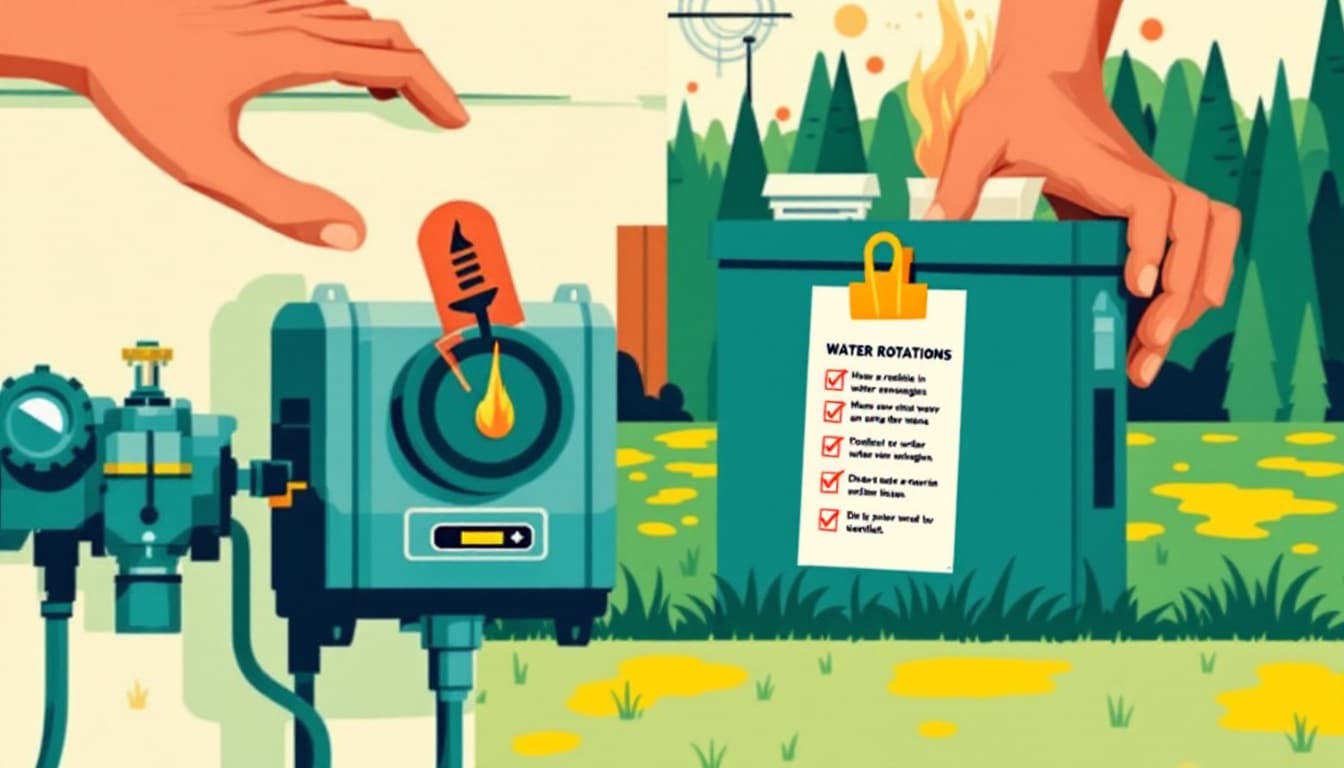
Audit your irrigation controller this week. Most Central Florida homes have programmable irrigation systems set up by a landscaper years ago and never touched since. Pull up your controller, confirm the schedule, and cut it back to whatever your water management district currently allows — usually one or two days per week, and not between 10 a.m. and 4 p.m. A controller running an illegal schedule during a drought restriction isn't just a fine risk; it's water your neighbors and your aquifer don't have.
Florida-specific detail: the St. Johns River Water Management District and SWFMD both publish current restriction levels on their websites, searchable by county. Look up your county before you assume you know what phase you're in. Apopka falls under SJRWMD, but if you're in Hillsborough, Pinellas, or Sarasota, you're under SWFMD rules, which differ.
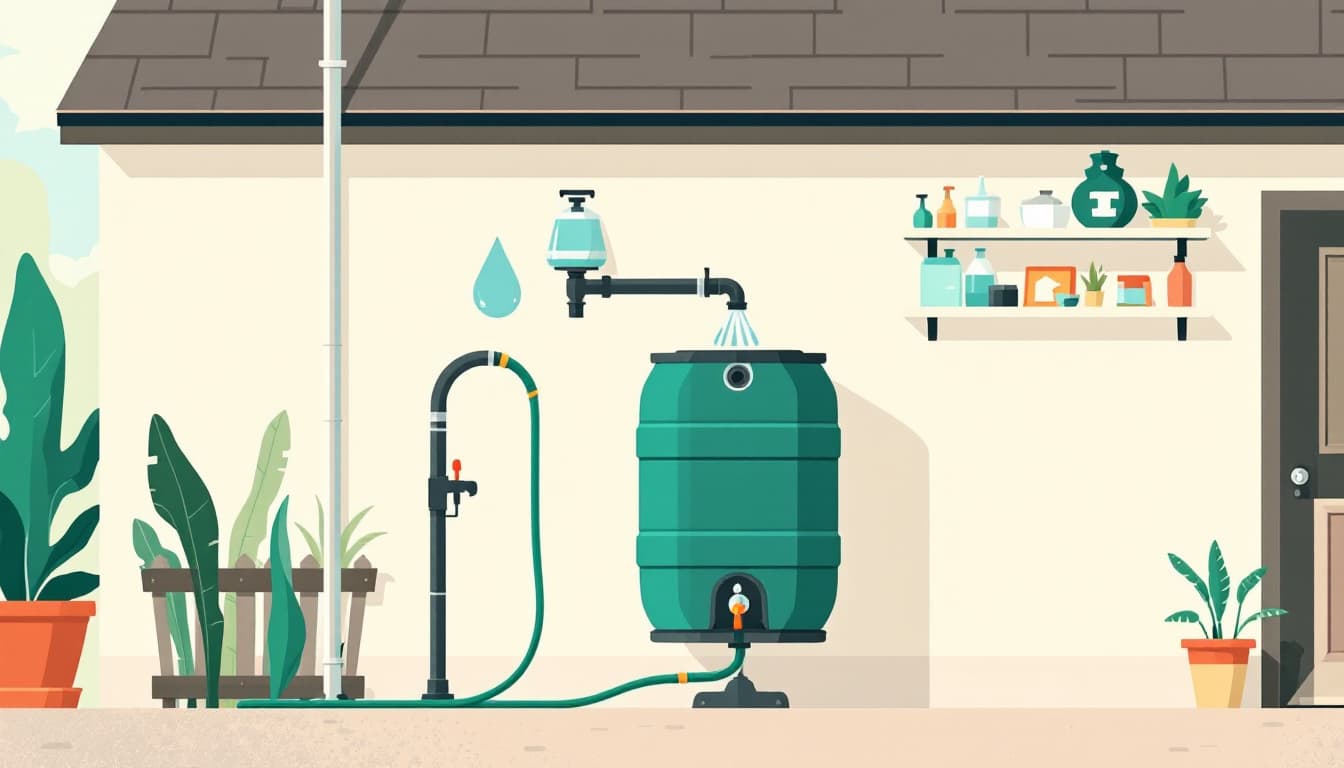
Store a three-day household water supply. This isn't about the drought specifically — it's about the combination of drought stress on infrastructure and Florida's hurricane season, which runs through November 30. When aquifer levels drop, utilities sometimes issue precautionary boil-water notices during high-demand events. The Federal Emergency Management Agency recommends one gallon per person per day as a minimum. A family of four needs twelve gallons for three days. That's three standard four-gallon jugs from any grocery store, stored in a cool interior closet and rotated every six months. Cost: under $15.
Check your water bill's usage graph. Most Florida utilities now provide a month-by-month usage chart in your online account portal. Look at it. If your usage spiked in the last two months relative to the same period last year, you either have a leak or an irrigation system that's been running more than you think. A slow toilet flapper leak can waste 200 gallons a day — enough to push you into penalty tiers and enough to matter when the aquifer is already stressed.
Mulch your landscape beds to six inches. This is the cheapest single action a Florida homeowner can take to reduce irrigation need. Florida-Friendly Landscaping guidelines from the University of Florida IFAS extension program recommend keeping mulch at three to six inches around ornamental beds and trees. At that depth, soil moisture retention roughly doubles compared to bare ground. A bag of eucalyptus or pine bark mulch costs $4 to $6. You are, in effect, buying replacement irrigation capacity.
Know your district's variance and exemption process. If you have newly installed sod, a vegetable garden, or medical equipment that requires regular washing, most water management districts allow a variance application. Few homeowners know this exists. It won't override extreme drought restrictions entirely, but it can authorize additional irrigation days if you demonstrate need and apply the water efficiently. Visit your district's site, search "variance" or "exemption," and read the criteria.
The Bigger Picture
Florida's drought cycles are not new, and summer rainstorms have always provided false comfort to residents who don't track aquifer levels. What's changing is the baseline: population growth across the I-4 corridor and South Florida continues to outpace the aquifer's historical recharge rate, and water managers have been explicit about this in their long-range supply plans.
That doesn't mean panic or rationing collapse. It means treating water as a managed resource rather than an unlimited utility — which is exactly what restriction phases are designed to prompt. The households that come through drought restrictions without fines, brown yards, or supply surprises are the ones who adjusted their habits before they had to.
Durability, not catastrophe. One irrigation audit at a time.