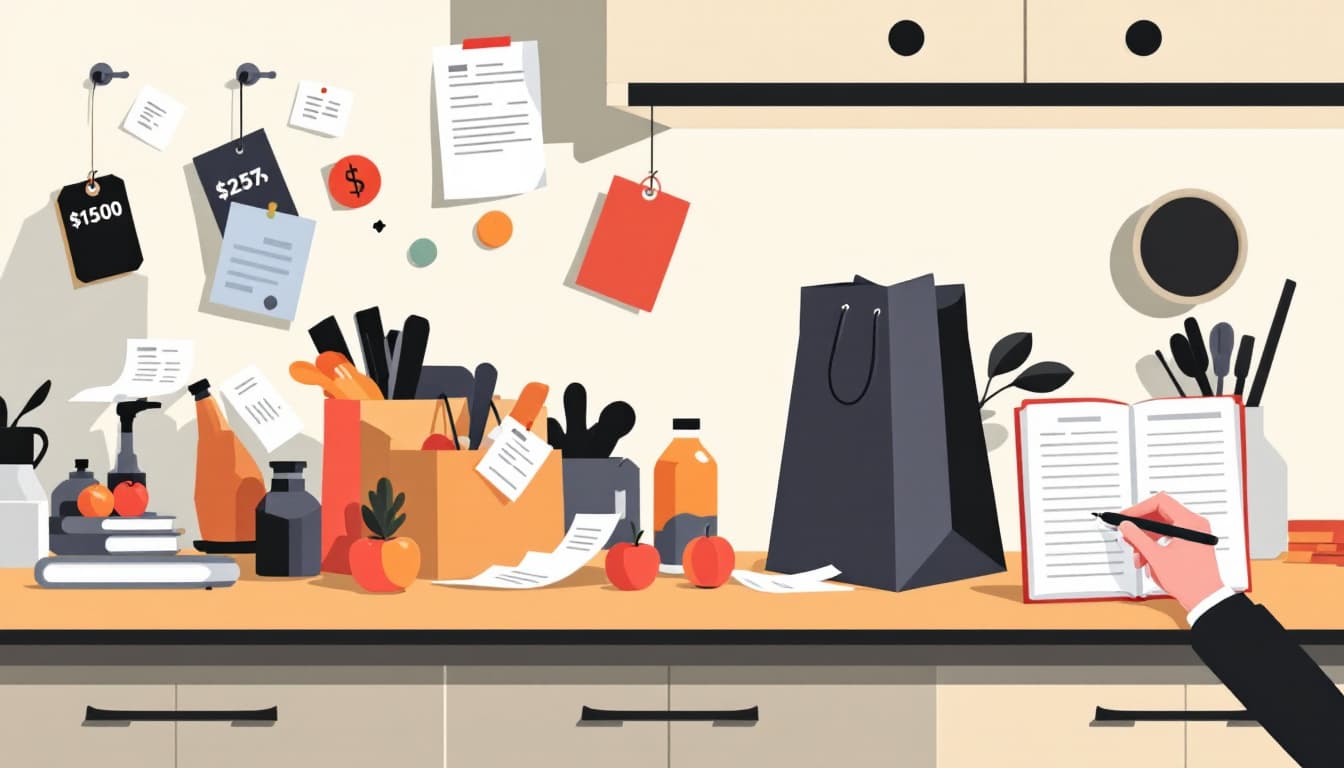
The average American household spends somewhere in the range of $400 to $600 a month on groceries, depending on family size and region. That number has been under pressure for three years. According to recent reporting from Newsweek, it's about to get worse — and the forces behind the new round of increases are not the same ones that drove the 2022–2023 spike. That distinction matters for how you respond.
What's actually changing
The earlier inflation wave was largely pandemic-era: supply chains seized up, labor was short, shipping containers were in the wrong ports. Most of those frictions resolved. What's driving grocery prices now is a different mix — tariff-related input costs on packaging and imported ingredients, ongoing weather disruption to domestic produce and grain, and a consolidating grocery retail sector with less competitive pressure on margins.
What this means practically: the increases are more category-specific and harder to avoid by just shopping smarter. You can clip coupons around a supply shock. You have fewer good options when the cost floor on eggs, olive oil, or canned tomatoes has structurally shifted upward.
Newsweek's framing — "it's just the start" — is worth taking seriously without catastrophizing. The signal is not that shelves will go bare. The signal is that the window for buying ahead at lower prices is closing, and families who treat grocery spending as a fixed line item are going to feel squeezed in ways that hit the broader budget.
What we'd actually do
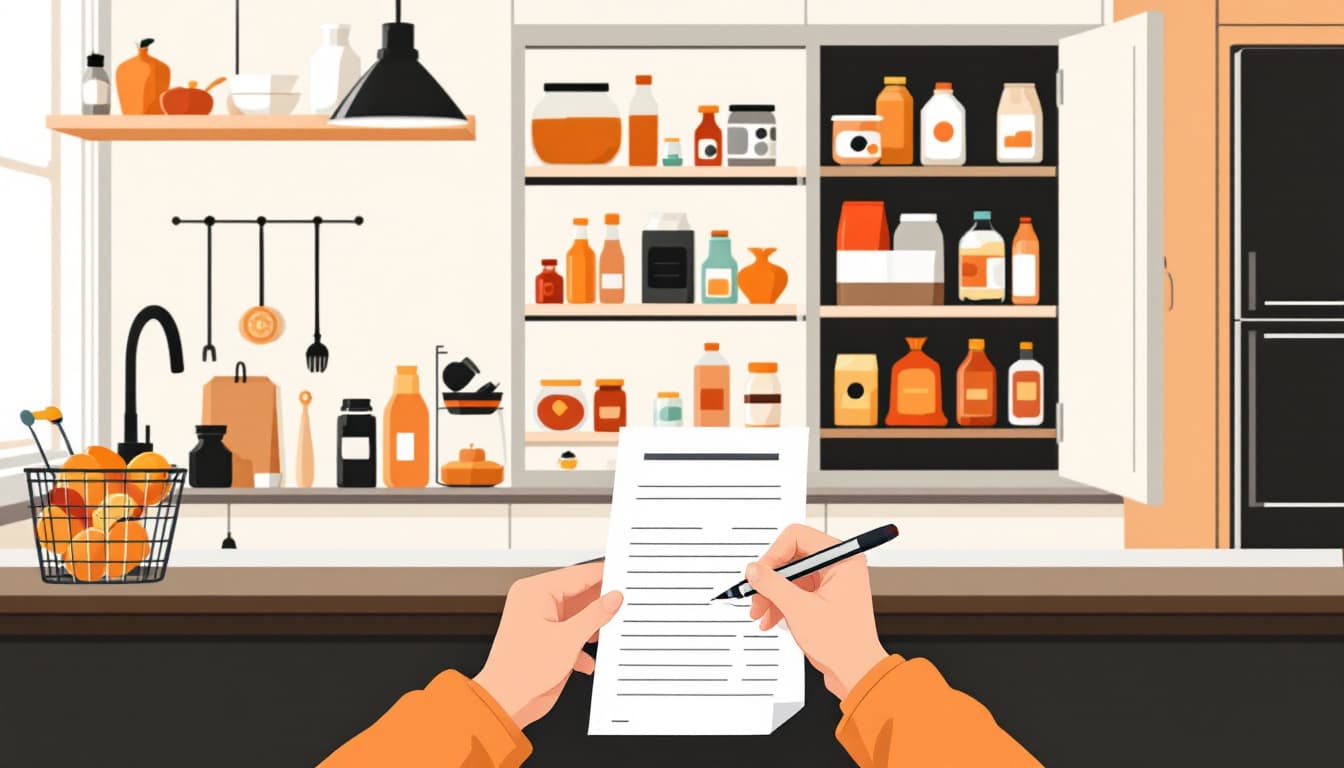
Start a simple price baseline for your ten most-used staples. Write down what you paid this week for the ten items your household buys every single time: cooking oil, dried pasta, canned beans, flour, rice, coffee, whatever your list actually is. Not a general sense — a number, a date, a store. Review it in 60 days. This takes fifteen minutes and turns you from a passive price-receiver into someone with real data.
Most households have no personal price history, which means they can't tell the difference between a genuine sale and a manipulated anchor price. A written baseline fixes that fast, and costs nothing.
Shift some discretionary grocery spending toward shelf-stable versions of things you already use. If you buy olive oil, buy one extra bottle this month. If your family eats canned tomatoes twice a week, add six cans to the cart. This is not hoarding — it's buying ahead on your own consumption curve at current prices before they rise further. The Newsweek reporting suggests the trajectory is up, and your pantry is one of the only hedges a household has against that.
The rule of thumb: only stock what you actually eat, rotate it, and don't buy so much that spoilage becomes the real cost.
Look hard at the protein line in your food budget. Protein — meat especially — is where the price increases tend to hit hardest and where households feel the most psychological resistance to substituting. Recent BLS data has consistently shown animal protein as a leading category in food-at-home inflation. Ground beef, chicken thighs, canned tuna, dried lentils: knowing the per-gram-of-protein cost of each of these right now gives you a rational basis for substitution decisions that doesn't require sacrifice.
Lentils at current prices deliver protein for roughly a tenth the cost per gram of ground beef. That gap is worth knowing.
Reassess your store loyalty. Brand loyalty to a grocery chain made more sense when price differences between chains were modest. Discount grocers — ALDI, Lidl, regional warehouse clubs — have widened their gap from conventional supermarkets on staples. If you haven't comparison-shopped your core list across two different store types in the last year, the savings available may surprise you. This is an hour of time, not a lifestyle overhaul.
The bigger picture
Food price volatility is one of the few economic stressors that hits every household regardless of income level — though it hits lower-income families much harder as a share of take-home pay. Treating your pantry as a small, low-risk inventory buffer against an unpredictable cost environment is one of the most rational preparedness moves available. It requires no special gear, no dramatic lifestyle change, and no conviction that anything catastrophic is coming.
The goal here is durability: a household that absorbs price shocks without financial whiplash, because it made a few calm decisions in advance. That's the whole point.