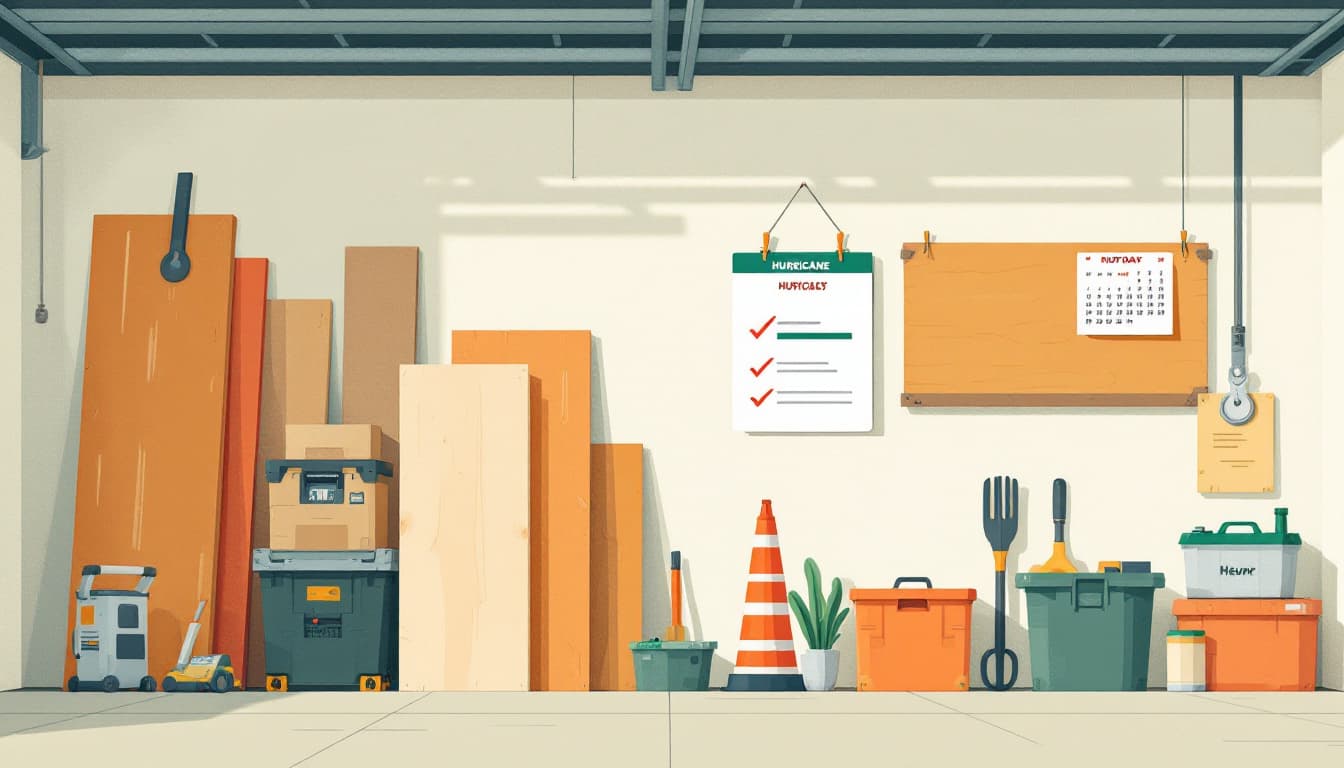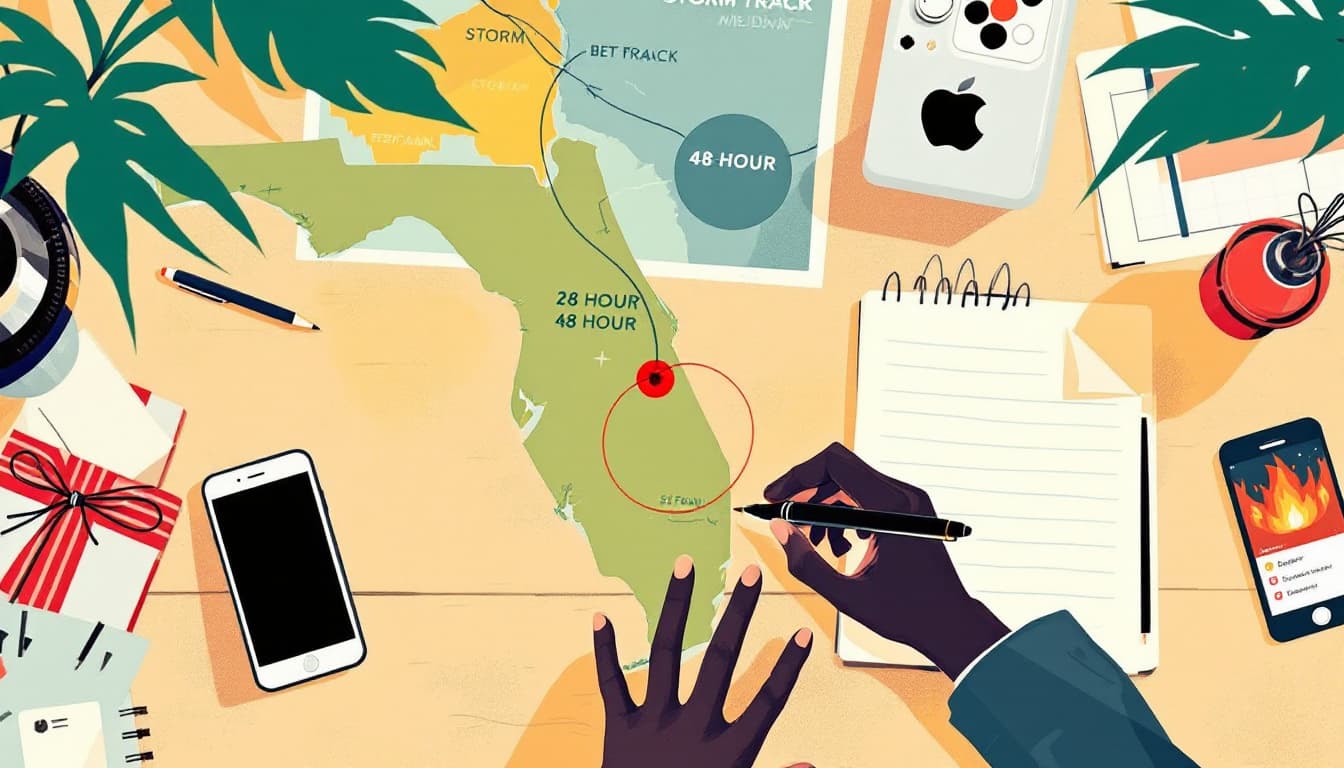
WSFA, a Montgomery, Alabama television station, is airing a special report called "Inside the Hurricane" this weekend — right on the cusp of Atlantic hurricane season. The timing is not accidental. Broadcast stations in Gulf and Southeast markets know their audiences need the annual nudge. What those specials rarely cover is the specific, unsexy gap between "we have bottled water" and actually being prepared.
Here's that gap.
What's actually changing
The Atlantic hurricane season runs June 1 through November 30. That window has not changed. What has shifted gradually, according to NOAA's ongoing research, is storm behavior: rapid intensification events — where a storm strengthens 35 mph or more in 24 hours — have become more frequent in warm Gulf and Atlantic waters. That matters because it compresses the warning window. A storm that looks like a Category 1 on Tuesday morning can make landfall as a Category 3 on Wednesday night.
The other shift is post-storm recovery time. Utility restoration after major landfalls now routinely stretches 10 to 21 days in hard-hit areas, not the 3 to 5 days many families mentally plan around. Recent hurricane seasons across Florida, Louisiana, and the Carolinas have demonstrated this repeatedly. A three-day kit is not a hurricane kit. It's a thunderstorm kit.
What we'd actually do
Document your home before the season starts, not after. Walk every room with your phone and record a slow video of your possessions — open cabinets, show serial numbers on appliances, capture the exterior. Upload it to cloud storage you can access from a hotel in another state. Insurance claims without documentation routinely take longer and settle lower. This takes 20 minutes.
Build toward 14 days of water, not three. FEMA's official guidance says one gallon per person per day. For a family of four, 14 days is 56 gallons. You do not need to buy it all this week. Buy four extra cases each grocery run for the next month. Store them in a cool, dark space. Rotate annually. This is the single most common gap we see in family prep conversations, and it costs about $40 total spread over a few weeks.
Know your evacuation route and your fuel situation. When a major storm threatens, gas stations in a 200-mile radius sell out within 18 to 36 hours of a serious forecast. The families who wait until the mandatory evacuation order are the families sitting in four-hour lines — or not leaving at all. Identify two routes out of your area now, one of which avoids the major interstate corridors. Keep your tank above half from June through November. That habit costs nothing.
Harden your communications plan. If cell towers are overwhelmed or down, your family needs a meeting point and a contact person outside the region who everyone checks in with. Write it on paper. Tape it inside a cabinet. Most families have this conversation once and assume everyone remembers. Nobody remembers. Write it down.
Revisit your insurance policy before a storm is named. Once a named storm enters a watch area, many insurers stop issuing or modifying policies. Call your agent now. Ask specifically about your wind deductible — in many coastal states it is a percentage of your home's insured value, not a flat dollar amount, which surprises people badly at claim time. Ask about flood coverage separately; standard homeowners policies do not cover flood damage.
The bigger picture
A local broadcast special is a good signal, not a complete answer. WSFA is doing its job by putting storm awareness in front of Alabama families before the season opens. Your job is to take that awareness and convert it into three or four concrete household actions in the next two weeks.
Preparedness for hurricanes is not about building a bunker or spending thousands on gear. It is about closing specific, predictable gaps before the storm exists — because once it does, you are reacting, not preparing. The families that come through hurricane season with their lives intact and their recoveries manageable are not the ones with the most supplies. They are the ones who made a few deliberate decisions in May and June, when the sky was still clear.