A country of 1.4 billion people quietly deciding to gasify its coal reserves rather than import natural gas is not a headline that most American households will pause on. It should be.
A report from Devdiscourse in late May 2026 outlines India's accelerating investment in coal gasification technology as a direct response to global supply chain disruptions and fuel-import vulnerability. The strategic logic is simple: India sits on large domestic coal reserves and has watched LNG prices whipsaw for three years running. Converting coal to synthetic gas domestically removes one layer of exposure to international energy markets.
That decision, made at the national level in New Delhi, has second-order effects that reach a kitchen table in Ohio or a grocery budget in Arizona.
What's actually changing
The Devdiscourse report is one data point in a larger pattern. Major economies are each building their own energy hedges right now — reshoring, resource nationalism, long-term offtake agreements — and doing it simultaneously. When India locks up domestic fuel supply chains, it competes less with other buyers for LNG, which can soften some prices. But when every large economy pursues energy self-sufficiency at once, global trade flows fragment. Fragmented trade flows mean higher baseline costs for goods that depend on stable, cheap shipping and manufacturing energy.
This is not a prediction of collapse. It is a description of the operating environment for the next decade: energy costs will be less predictable, not more. That uncertainty gets priced into fertilizer, plastics, food transport, and industrial manufacturing — which means it eventually gets priced into your grocery bill and your utility invoice.
Fertilizer is the clearest link. Natural gas is the primary feedstock for nitrogen fertilizer. When gas prices rise or become erratic, fertilizer prices follow within one to two growing seasons. Recent USDA data has tracked fertilizer-cost volatility as a significant driver of food-price inflation since 2021. India's move to gasify coal domestically could reduce its own fertilizer-import exposure, but it does not resolve the broader global energy-input instability that drives food costs upward.
The household takeaway is not "panic about India." The takeaway is: the era of cheap, stable energy inputs to everything you buy is not returning on a predictable schedule. Planning around that reality is not alarmism — it is arithmetic.
What we'd actually do
Audit your household's energy-sensitive spending lines. Start with utilities, fuel, and grocery staples (grains, cooking oils, proteins that require energy-intensive feed). These are your most volatile categories. Knowing your baseline numbers — what you actually spend per month — makes future increases legible rather than shocking.
When energy costs shift, most families notice it first at the pump and second at the grocery checkout, but they rarely know which specific items drove the increase. A one-month audit of receipts, sorted by category, gives you a real map of your exposure. You cannot reduce what you cannot see.
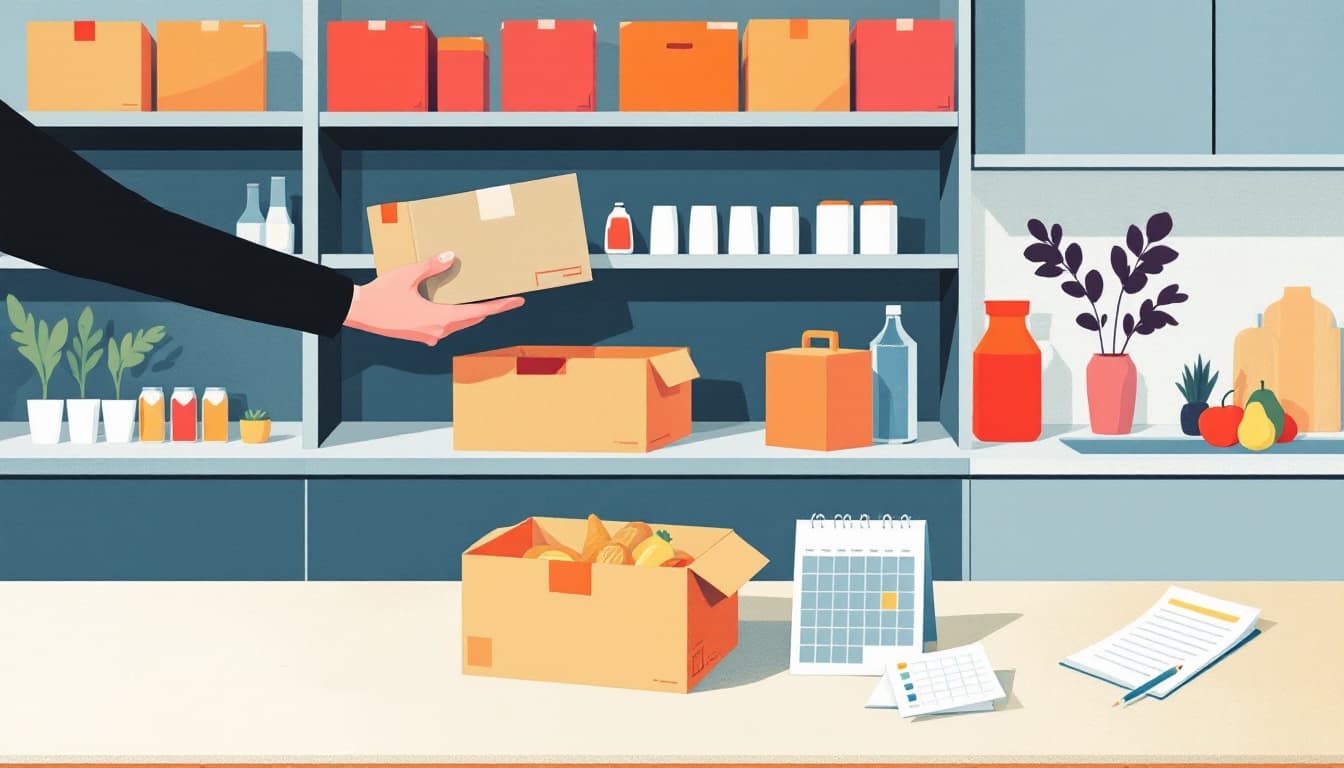
Add one layer of buffer to fertilizer-linked staples. Rice, wheat flour, dried beans, and cooking oil are all downstream of nitrogen fertilizer costs. A four- to eight-week supply of whichever of these your family already eats is a hedge against short-term price spikes, not a bunker build. Buy what you rotate through.
This is not stockpiling for apocalypse. It is the same logic as buying ahead when a sale aligns with a product you use regularly — except the sale you're anticipating is the price before the next disruption, not a coupon.
Reduce one recurring energy cost with a one-time action. A programmable thermostat, sealing a drafty door, or shifting high-draw appliances to off-peak hours are each small, achievable, and durable. Recent DOE efficiency data consistently shows that household behavior changes on heating and cooling generate the fastest payback of any efficiency investment.
The point is not to live austerely. The point is to shrink the surface area of your household budget that is exposed to costs you cannot control.
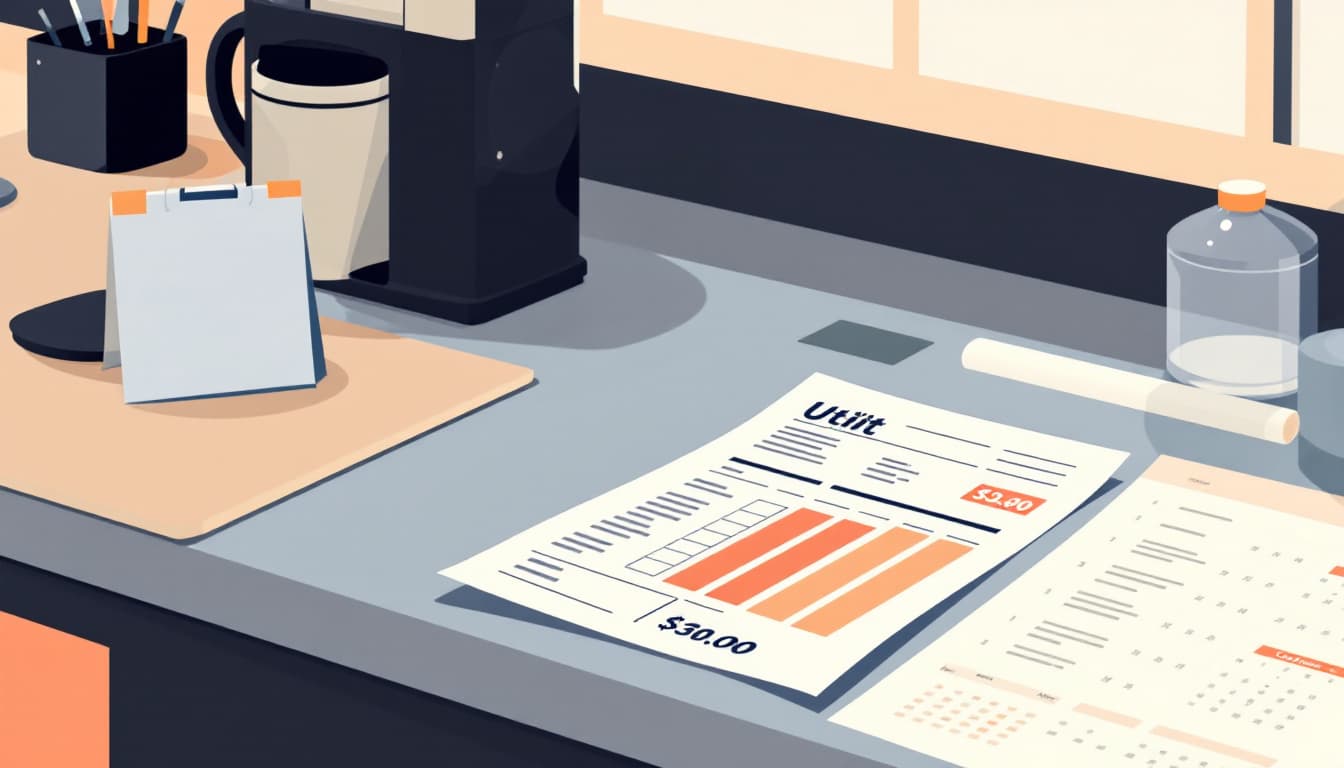
Know your utility's rate structure. Many utilities have moved to time-of-use pricing or are in the process of doing so. If your utility has a tiered or time-of-use rate, running the dishwasher or charging an EV at 2 a.m. instead of 6 p.m. is free money. Check your utility's website or last paper bill — rate schedules are publicly posted.
The bigger picture
India's coal gasification strategy is one country's rational response to a world where energy supply chains are being redrawn. Every major economy is making similar, if different, calculations. The aggregate result is a global energy market that will be structurally less stable than the one that shaped prices between 2000 and 2019.
That does not mean the lights go out. It means the planning horizon for household budgets should extend past the next paycheck. Families who know their numbers, hold a modest buffer of staples, and have trimmed a few fixed energy costs are not preppers in the bunker sense. They are simply running their households the way any thoughtful organization runs its operations — with margin for the unexpected.
Durability is the goal. Not survival theater.