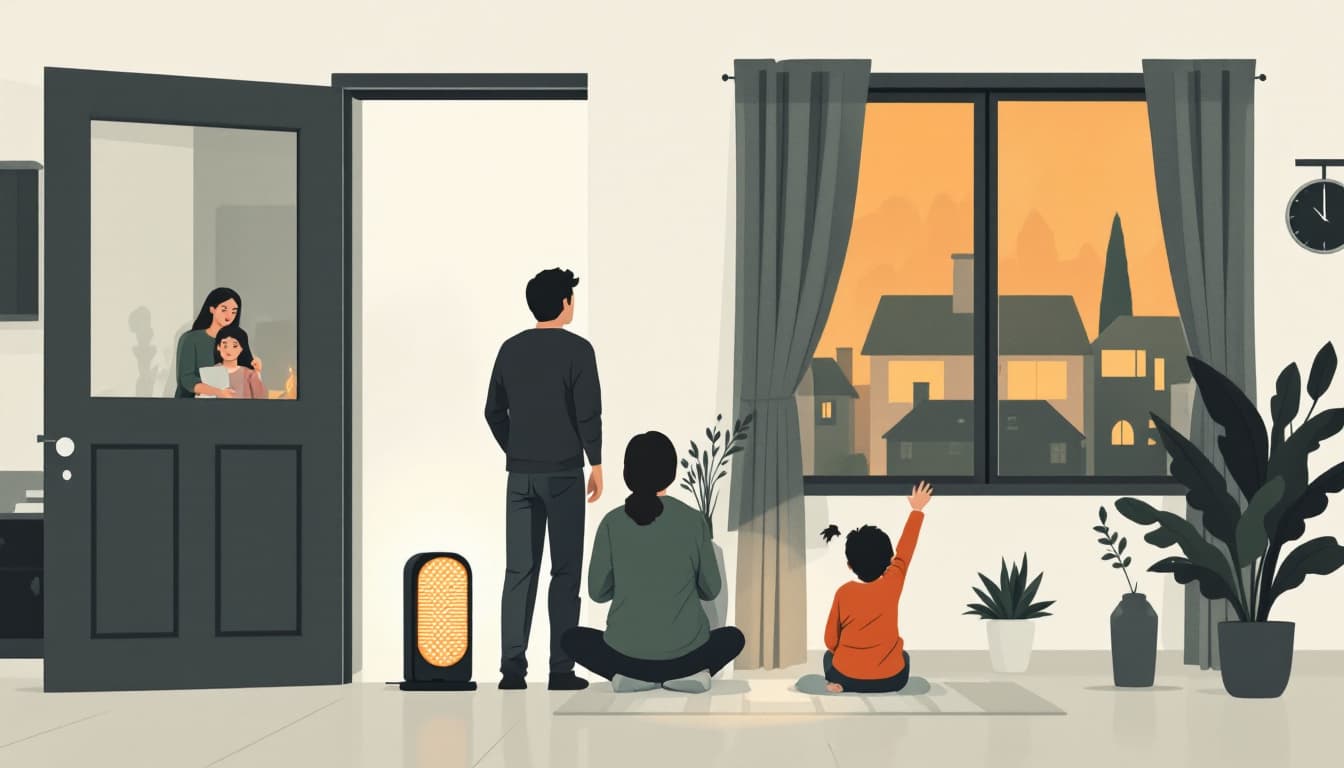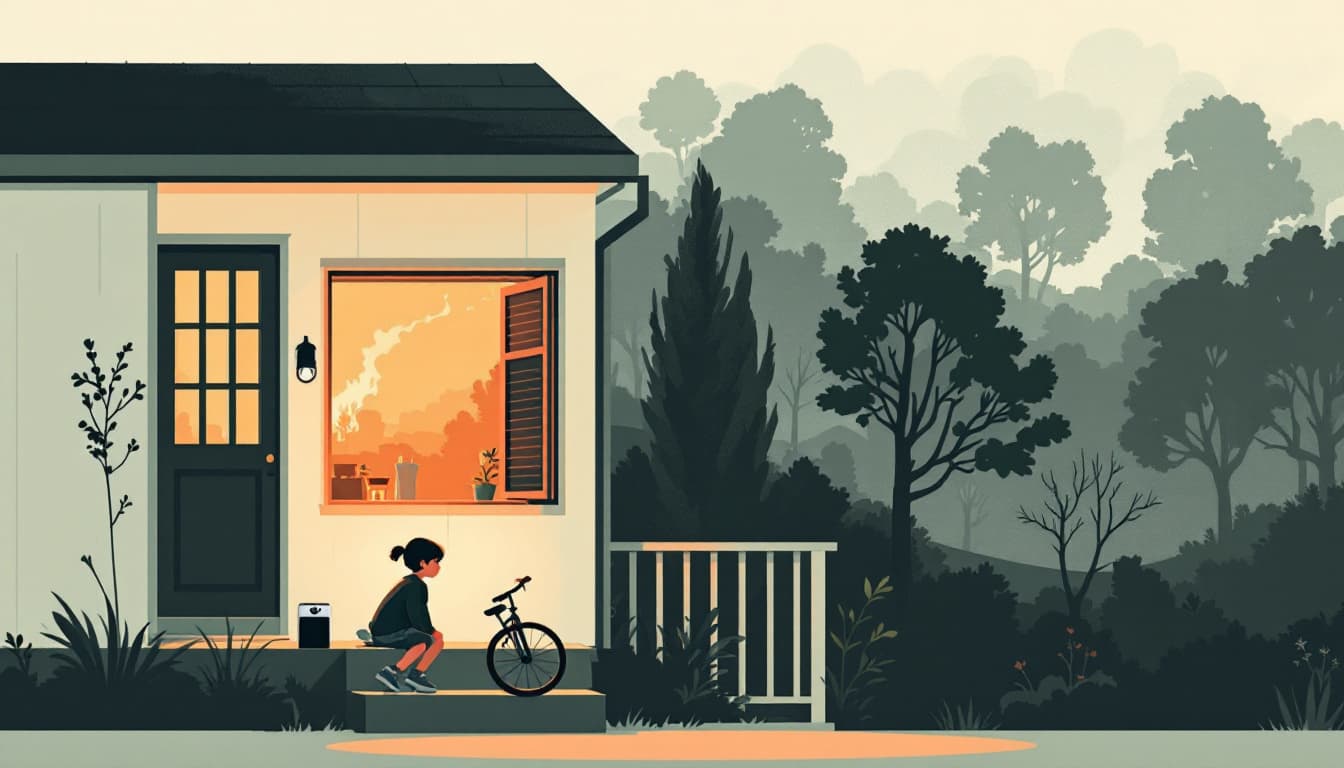
A report this week from Oregon Public Broadcasting examined how residents of Josephine County, in Oregon's southwestern corner near the California border, are navigating daily life under hazardous wildfire smoke conditions. OPB spoke directly with locals about their firsthand experiences, giving a ground-level account of what it means to live and breathe in an airshed that regularly ranks among the worst in the state during fire season.
Josephine County sits in the Rogue Valley region, a geographic bowl framed by the Siskiyou and Klamath mountain ranges that is prone to trapping smoke from fires burning across southern Oregon and northern California. The area has seen recurring episodes of Air Quality Index readings in the "Hazardous" range — above 300 on the EPA's scale — during recent fire seasons. Residents interviewed by OPB described the tangible effects of that exposure: reduced visibility, health symptoms, and the psychological toll of extended periods confined indoors.
Oregon's Department of Environmental Quality operates an airshed monitoring network across the state, and the Rogue Valley stations, including those serving Grants Pass and Medford, have recorded some of the most elevated particulate matter readings in Oregon in recent years. The region's topology makes smoke dispersal difficult even when regional fire activity is moderate, and prevailing winds from the south can push additional smoke northward from large fires burning in the Klamath National Forest and surrounding federal lands in California.
For readers tracking air filtration and shelter-in-place preparedness, it is worth noting that Josephine County's smoke problem illustrates a distinction that often gets lost: the difference between a single bad-air day and a sustained multi-week episode. Oregon DEQ's AirNow data for the Grants Pass monitoring site has at times shown Josephine County exceeding "Unhealthy" thresholds for stretches measured in weeks rather than hours, a duration that strains the capacity of portable air purifiers to maintain clean indoor air without filter replacement and stresses Oregon's rural health infrastructure, which has fewer pulmonary specialists and urgent care facilities per capita than the Willamette Valley. Readers who have evaluated air purifiers for smoke — such as those with independently tested CADR ratings against PM2.5 — can find one reference point in this air purifier review for context on how long filters realistically last under heavy smoke loads.