The Bureau of Labor Statistics Consumer Price Index rolls dozens of categories into a single number, which means a 3.4% headline rate in July can feel abstract until you're standing in a supermarket aisle doing math in your head. A report this week from cbs19.tv noted that grocery prices are continuing to rise even as the overall inflation rate sits at that 3.4% figure. Those two facts coexisting is not a contradiction. It is the structure of how the index works, and understanding it changes how you should be planning.
What the number actually says — and doesn't
The CPI is a weighted average. Energy, shelter, and services pull the headline figure in one direction; food pulls in another. When the overall rate looks moderate, food inflation can be running hotter and still not move the needle much on the composite. Recent BLS data shows food-at-home costs have been climbing at a rate outpacing the headline CPI for several consecutive months.
That's the detail the 3.4% figure buries. A family spending $1,200 a month on groceries and household consumables is not experiencing 3.4% inflation on that line item. They're likely seeing something steeper, concentrated in proteins, cooking oils, eggs, and processed staples that have repriced multiple times in the past eighteen months.
There's also a substitution effect that doesn't get enough attention: when families trade down from name-brand to store-brand, from steak to ground beef, from fresh to frozen, they are absorbing real cost pressure through behavioral change rather than dollar outlay. The CPI methodology partially accounts for this, which tends to understate what a fixed basket of goods actually costs.
The bigger pattern: food prices have not returned to pre-2022 levels. They have stabilized at an elevated plateau. Each new inflationary pulse — a drought in a major growing region, a shipping disruption, a new input-cost spike — builds on that elevated baseline. The compounding is quiet but real.
What we'd actually do
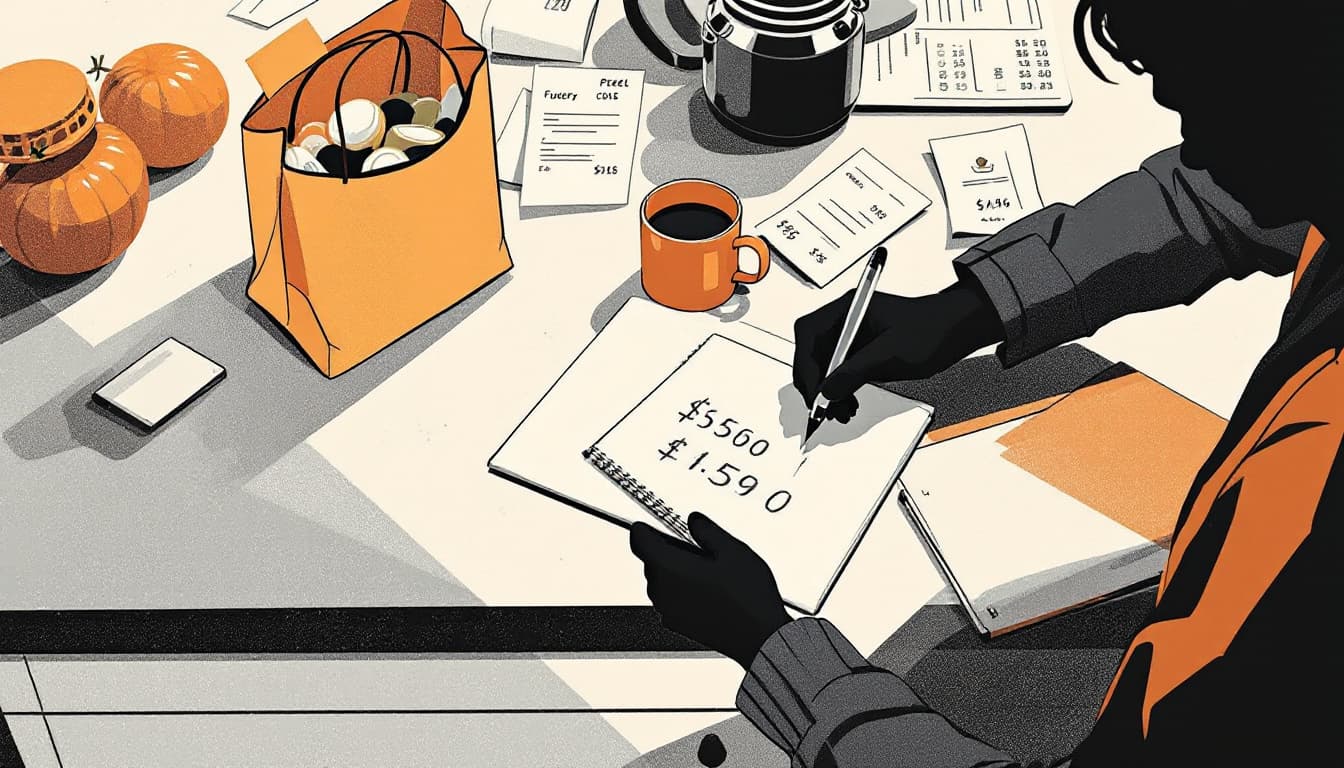
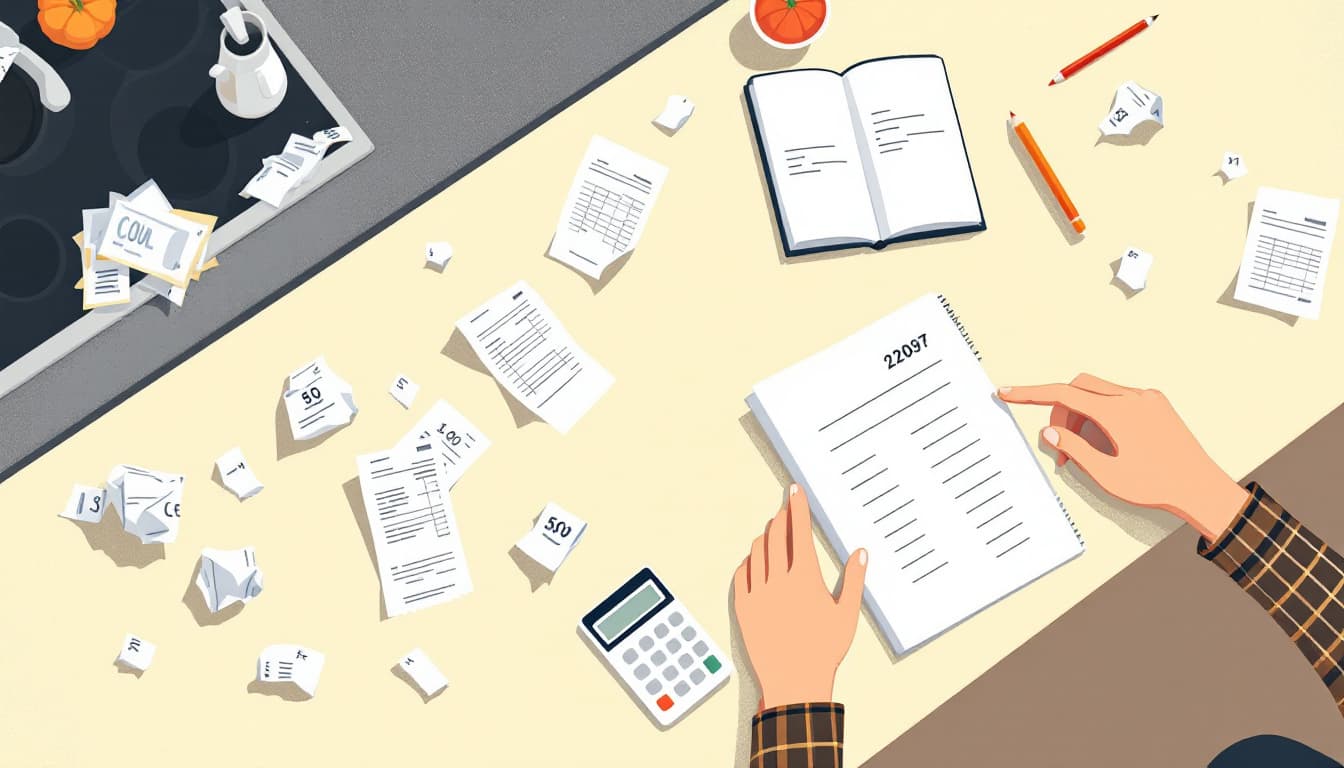
Pull three months of grocery receipts and calculate your personal food inflation rate. Most families don't know their actual number. Take what you spent on food in May, June, and July of this year and compare it to the same three months in 2024. That gap is your real inflation experience, and it's almost certainly larger than 3.4%.
Identifying your actual rate lets you make a real budget adjustment rather than guessing. If your food costs are up 11% year-over-year, you need an 11% response — not a 3% one. That might mean a different store, a different shopping rhythm, or a reallocation from another budget category. You can't make that decision without the number.
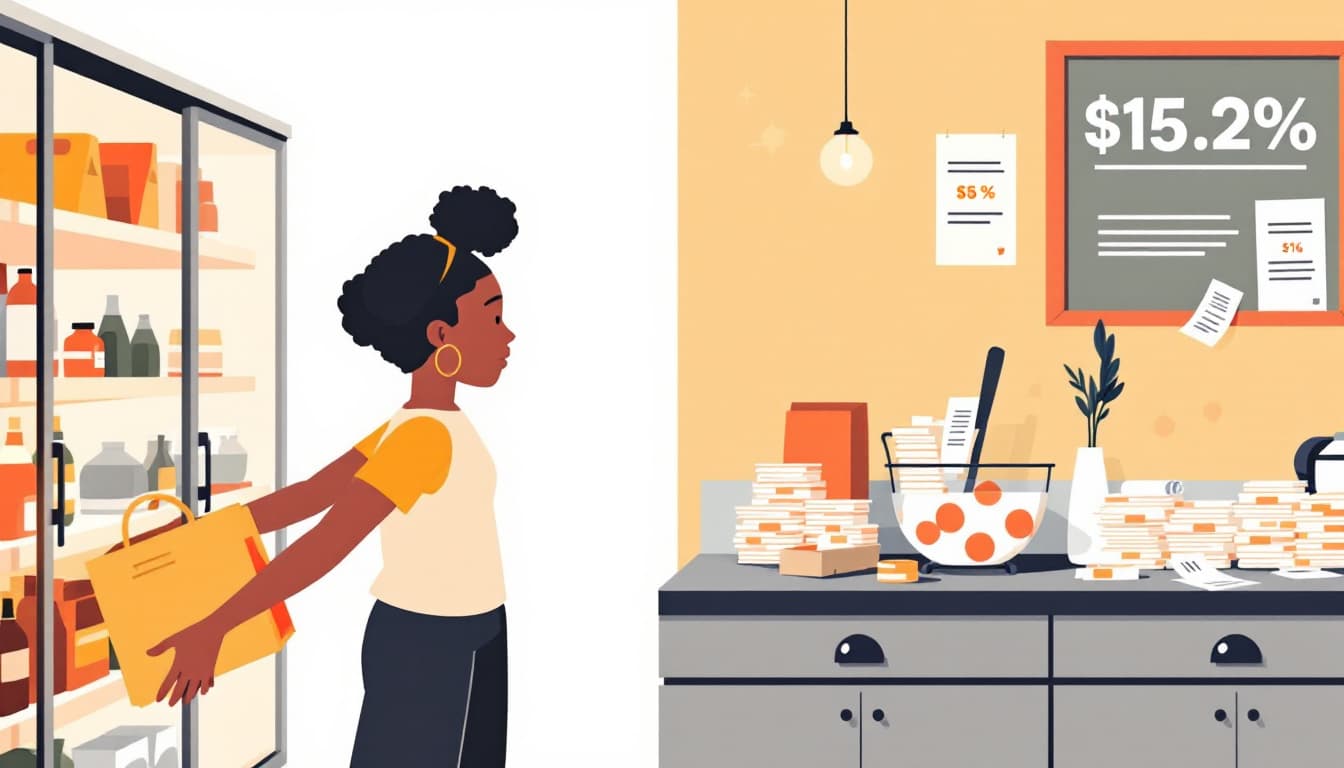
Build a modest pantry buffer in the categories hitting you hardest. This is not about stocking a bunker. It's about buying a four-to-six-week supply of the shelf-stable items you already consume, purchased incrementally when prices are stable or on sale. Cooking oils, canned proteins, dried legumes, and rice have all seen price volatility. Owning a reasonable surplus of items you will definitely use is the lowest-risk hedge against continued food inflation.
The math is simple: if olive oil goes up 15% next month and you already have two extra bottles, you bought yourself a month of insulation at today's price.
Audit your protein sources and price them per gram. Protein is where most grocery budgets are getting hit hardest. Eggs, chicken thighs, canned tuna, dried lentils, and plain Greek yogurt vary enormously in cost per gram of protein. Running this comparison once takes about twenty minutes and can cut your grocery bill meaningfully without reducing nutritional quality. A spreadsheet with six or eight protein sources and their current cost-per-serving is more useful than any coupon app.
Lock in one recurring staple at a predictable price. Warehouse club memberships pay for themselves quickly if you're buying bulk quantities of items with long shelf lives. The break-even calculation on a membership is worth doing if you haven't done it recently — food prices have moved enough that the math may have changed in your favor.
The durability frame
Persistent food inflation is not a crisis event you prepare for once. It is a structural condition you build systems to handle. Families who treat grocery shopping as a dynamic, tracked category — rather than a passive monthly outflow — absorb inflationary pressure without the panic. The goal isn't a warehouse of supplies. It's a household that spends deliberately and isn't caught flat-footed when the next repricing cycle hits.
July's 3.4% headline number will be revised, reframed, and followed by an August number in a few weeks. Your grocery bill won't wait for the revision. The families in the best position are the ones who stopped outsourcing their financial situational awareness to a single government index.