Picture a Tuesday evening in late February. A button pops off a good wool coat — not a cheap one, the kind you actually want to keep. The dry cleaner who does alterations charges $12 and a three-day wait. A tailor charges more. The coat sits on a chair for two weeks and eventually migrates to the donation bin, unworn for the rest of the season, functionally replaced by a lesser jacket.
That is not a survival story. It is also not a story about a family that was prepared for much of anything.
Why sewing belongs in your stack
When preparedness writers talk about skills, they usually mean fire-starting, water purification, radio communication — capabilities that only activate during a crisis. These are worth knowing. But there is a second category of skill that the preparedness community consistently undervalues: the skill that is useful on a normal Wednesday, genuinely useful during a regional disruption, and absolutely essential if supply chains tighten for months at a time.
Basic textile repair sits squarely in that second category.
Recent BLS consumer expenditure data consistently shows that apparel and footwear represent one of the larger variable line items in middle-class household budgets — not the biggest, but one of the more controllable. A family that can re-hem pants, patch knees on kids' clothes, replace jacket zippers, and reinforce stress points on bags is quietly capturing several hundred dollars a year in garment life extension. No emergency required.
That everyday payoff is the point. A skill you use regularly is a skill you actually retain. And a skill you retain doesn't collapse under stress.
What makes this counterintuitive for the preparedness-minded
The doom-prepper framing treats skills as insurance policies: you pay the premium (time learning), you file a claim (the disaster), you get paid out. This logic quietly discourages learning skills with a long or uncertain "claim timeline." If you're not sure when the grid goes down, why spend a Saturday on a sewing machine?
The better framing is compound interest. Sewing practice this month produces a repaired raincoat. Six months of occasional practice produces confident machine operation. Two years produces the ability to make or substantially alter clothing from fabric — which, notably, is a skill with meaningful trade value in a neighborhood dealing with prolonged supply disruption, and an enormous quality-of-life asset in any scenario where buying new is slow or expensive.
The survivalist would say: learn this so you can outfit your family post-collapse. The middle-class prepper says: learn this because it's genuinely useful right now, and that usefulness becomes a multiplier when things get harder.
There's also a gender dimension worth naming plainly: sewing is a skill that was systematically moved out of general education over the past few decades, affecting younger adults of all genders. That's not an ideological observation, just a practical one. A 35-year-old who grew up without home economics has a genuine skill gap here — and filling it requires no special equipment, no certification, and no unusual physical ability.
What to do this week
This is a deliberate four-step month, not a weekend project:
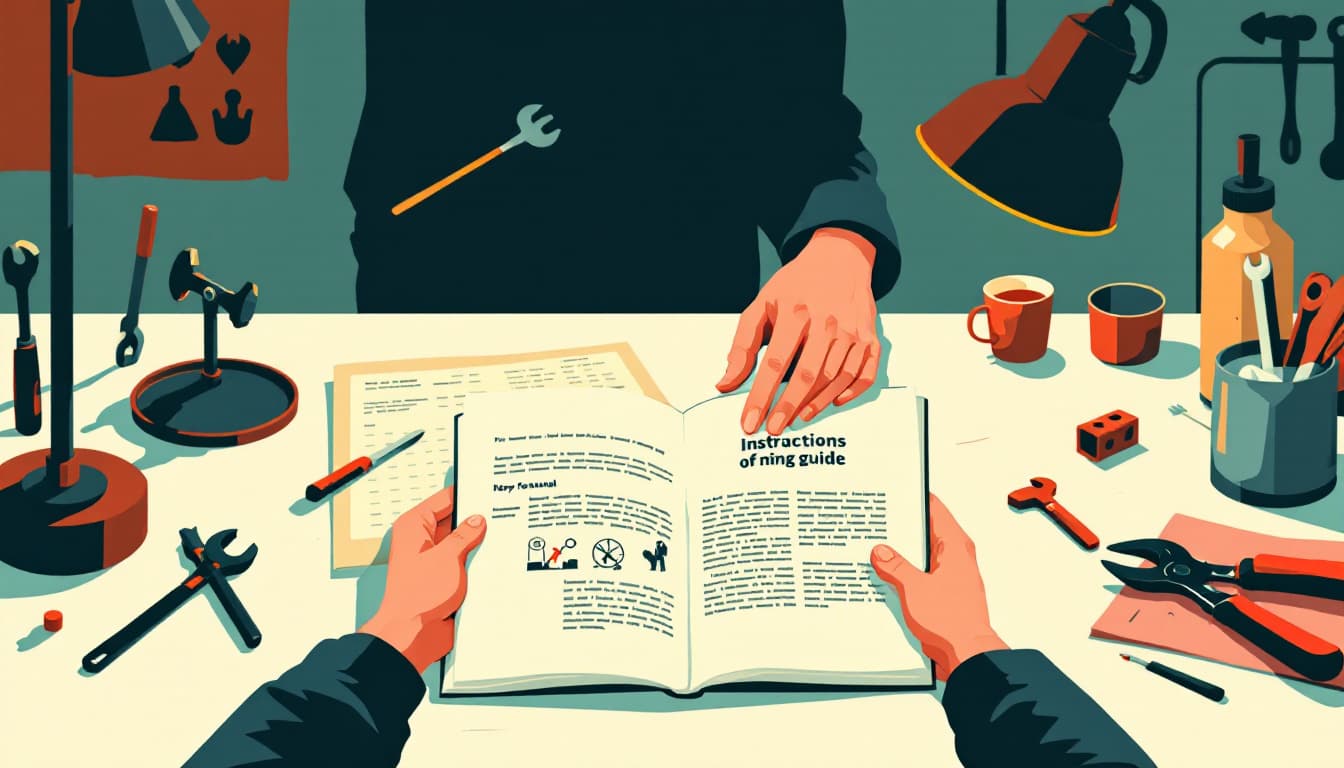
Week 1 — Spend $35 or less. A basic hand-sewing kit (needles, thread in 5-6 colors, seam ripper, small scissors, thimble) covers 80% of non-machine repairs. The thimble is not optional.
Week 2 — Do one actual repair. Not a practice piece. Find the thing in your house that needs fixing — the bag strap, the missing button, the ripped seam — and fix it. Bad first repairs are fine. The coat doesn't care.
Week 3 — Watch two hours of structured instruction. Free video tutorials on flat-felled seams and blind hemming will feel abstract until you've done Week 2. In that order, they stick.
Week 4 — Decide whether to go further. Entry-level mechanical sewing machines run $80–$140 used and are repairable without electronics expertise. If Week 2 and 3 felt satisfying rather than miserable, this is a reasonable next purchase. If not, hand skills alone are still worth keeping.
The bigger picture
Every skill in the preparedness stack carries a hidden variable: how often will you actually practice it? The honest answer for most families is that exotic skills rarely get practice, which means they decay, which means they aren't really in the stack at all.
Skills that solve a problem you encounter six times a year don't have that problem. They get practiced involuntarily, by ordinary life. They become muscle memory not because you drilled them but because you used them.
That's the best kind of preparedness. Invisible. Evergreen. Already paying for itself before anything goes wrong.