A heat wave rolling into Louisiana this week is forecast to push heat indices to 100 degrees or above across much of the state, according to NOLA.com's weather coverage published this week. That number gets attention. What it doesn't get is a household action plan.
Heat indices at or above 100°F are routine for south Louisiana in July and August. That familiarity is part of the danger. Households that have survived dozens of these stretches start treating them as background noise — until the grid wobbles, the AC compressor gives out, or an elderly neighbor goes quiet.
What's actually different about this one
A forecast is not a catastrophe. But two things make this heat event worth treating seriously at the household level.
First, sustained multi-day heat accumulates in ways a single hot afternoon doesn't. Indoor temperatures in poorly insulated homes — common across Louisiana's older housing stock, particularly in New Orleans and rural parishes — can climb even when the AC is running, because the building envelope itself is radiating stored heat. By day three of a heat wave, the structure is your enemy as much as the outdoor temperature.
Second, DEMCO, Entergy Louisiana, and other utilities serving the state have been running near peak load for weeks. Heat waves don't cause outages on their own — they expose equipment that's already stressed. A tripped transformer in a dense neighborhood during a heat event can mean six to twelve hours without power, which in 100°F heat indices is a medical situation for vulnerable household members within two to four hours.
The National Weather Service New Orleans office is the right place to track watches and warnings in real time during this event. NWS advisories are more granular than general news coverage and break down parish-by-parish.
What we'd actually do
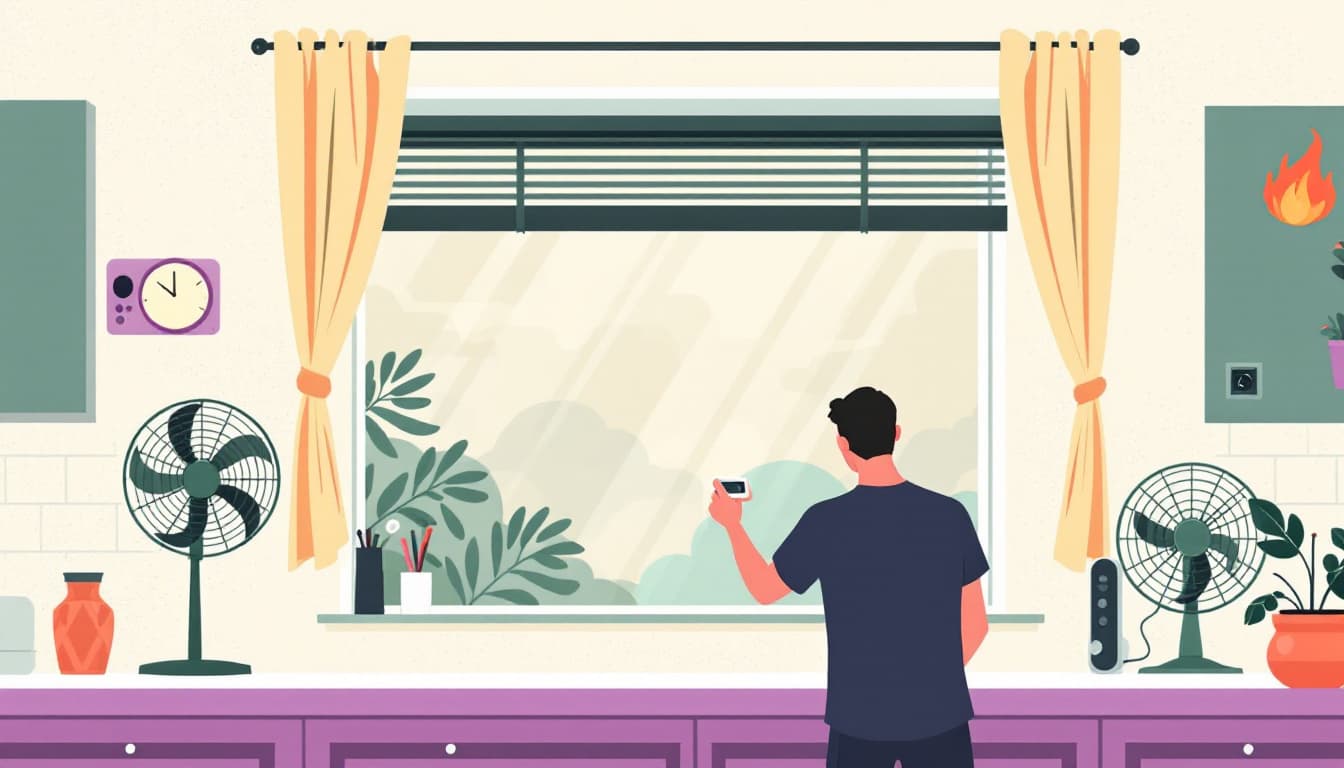
Check your window units and central air filters before temperatures peak. A clogged filter forces the system to work harder and can cause the coil to ice over, which shuts the unit down entirely — exactly when you need it most. Takes five minutes. Pull the filter, hold it to a light source; if you can't see light through it, replace it before the heat arrives.
Identify your household's most heat-vulnerable members and make a contact plan now. Heat stress escalates fast in people over 65, children under five, and anyone on diuretics, antihistamines, or beta blockers — all of which impair the body's cooling response. Write down two names: one person in your household who will check on them daily, and one air-conditioned location (library, mall, church) they can go to if your home loses power for more than two hours. Don't leave this as a vague intention.
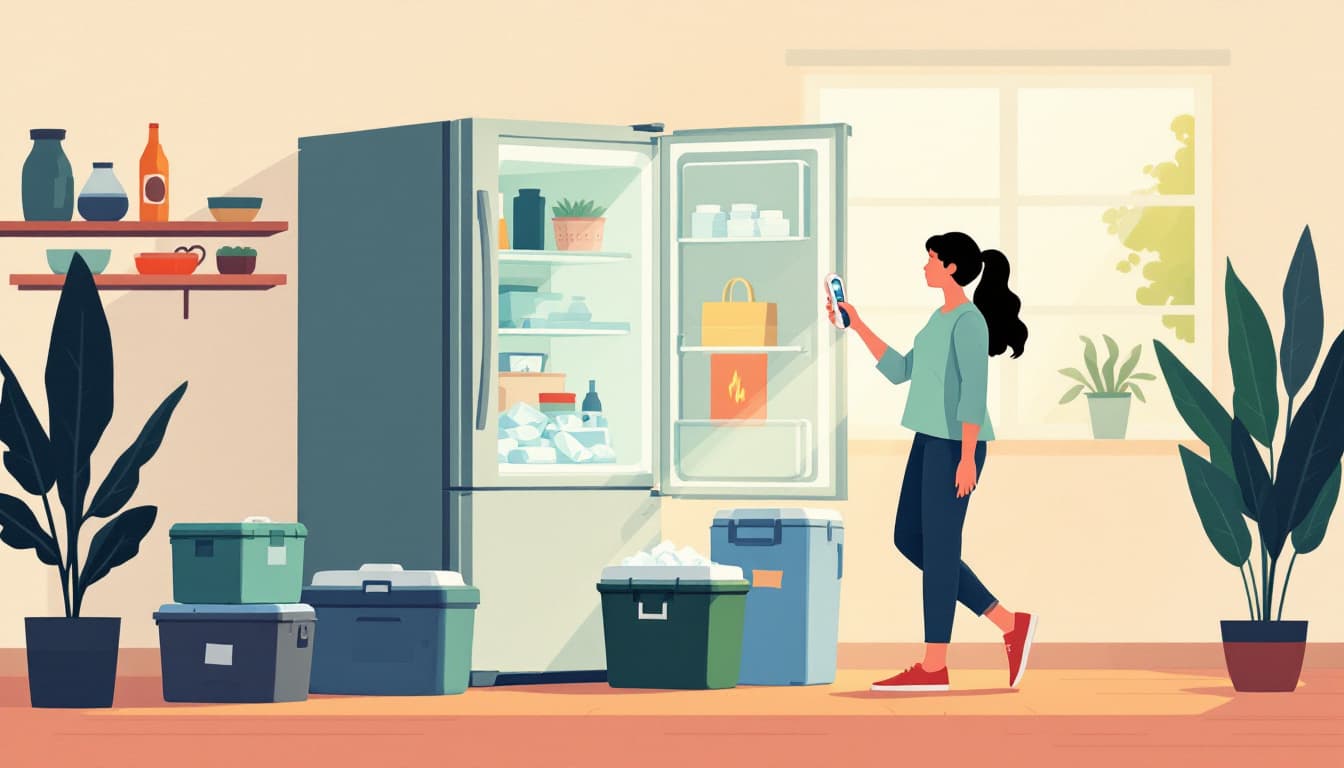
Freeze water now, before the event peaks. Fill gallon zip-lock bags or repurposed containers with water and put them in your freezer today. If power goes out, they extend your refrigerator's safe temperature window significantly, and they double as cooling tools — a frozen bag on the back of the neck drops core temperature faster than most people expect. This costs nothing and takes three minutes.
Know your outage reporting number and your utility's estimated restoration process. If you're an Entergy Louisiana customer, their outage map updates in near-real time and lets you report and track restoration by address. DEMCO covers a large swath of the Baton Rouge area. Knowing who your provider is and how to report an outage before the event means you're not hunting for a phone number while your house climbs to 90°F indoors.
Pre-cool your home aggressively in the early morning hours. Louisiana households on standard rate plans can drop their thermostat to 68-70°F before 9 a.m., then raise it to 76°F during peak hours. The thermal mass of a cooled structure holds that temperature longer than most people realize, and you're reducing the peak load on your unit during the hottest part of the afternoon.
The bigger picture
Louisiana households have been managing brutal heat for generations. The goal isn't to panic about a forecast — it's to run a tight enough operation that a routine heat wave stays routine. A working filter, a frozen water supply, a contact plan for vulnerable neighbors: none of this is heroic, and none of it is expensive. The households that come through heat events intact are almost never the ones with the most gear. They're the ones who did the small maintenance tasks before the temperature hit.
Stay checked in with NWS New Orleans this week, and check on whoever in your life might not be checking the forecast at all.