A report this week from 97.3 The Dawg flagged rising flood concerns along the I-10 corridor as another round of storms pushed through Louisiana. For most drivers, that's a commute alert. For households situated near the corridor — from Slidell through Baton Rouge to Lake Charles — it's a signal worth taking seriously before the season deepens.
What's actually changing
The I-10 corridor isn't just a highway. It's the drainage spine of coastal Louisiana. When storms stack up in May, the ground is already saturated from earlier rain events, and the parishes that line the interstate — St. Tammany, St. Charles, Iberville, Calcasieu — have limited margin before standing water moves from ditches into yards and then into streets. The Louisiana Governor's Office of Homeland Security and Emergency Preparedness (GOHSEP) has noted in recent seasons that the window between "advisory" and "impassable roadway" is compressing as more frequent storm clusters arrive before prior flooding fully recedes.
This isn't a one-flood problem. It's a stacking problem. A household that got three inches in April and dried out is not starting from zero in May. Soil saturation, stressed culverts, and already-elevated bayou levels mean a moderate storm can punch above its weight.
The other thing most traffic reports don't mention: I-10 closures strand people. A family in Gonzales or Kenner who waits for an official evacuation order when I-10 is already compromised may find their best route east or west already underwater. Voluntary early movement is consistently the choice that keeps families out of shelters.
What we'd actually do
Check your flood zone status right now, not during a watch. Go to the FEMA Flood Map Service Center and search your address. Louisiana has seen map revisions in recent years, and your zone may have changed since you last looked. Knowing whether you're in Zone A, AE, or X changes every decision that follows — insurance, elevation of valuables, and how early you leave.
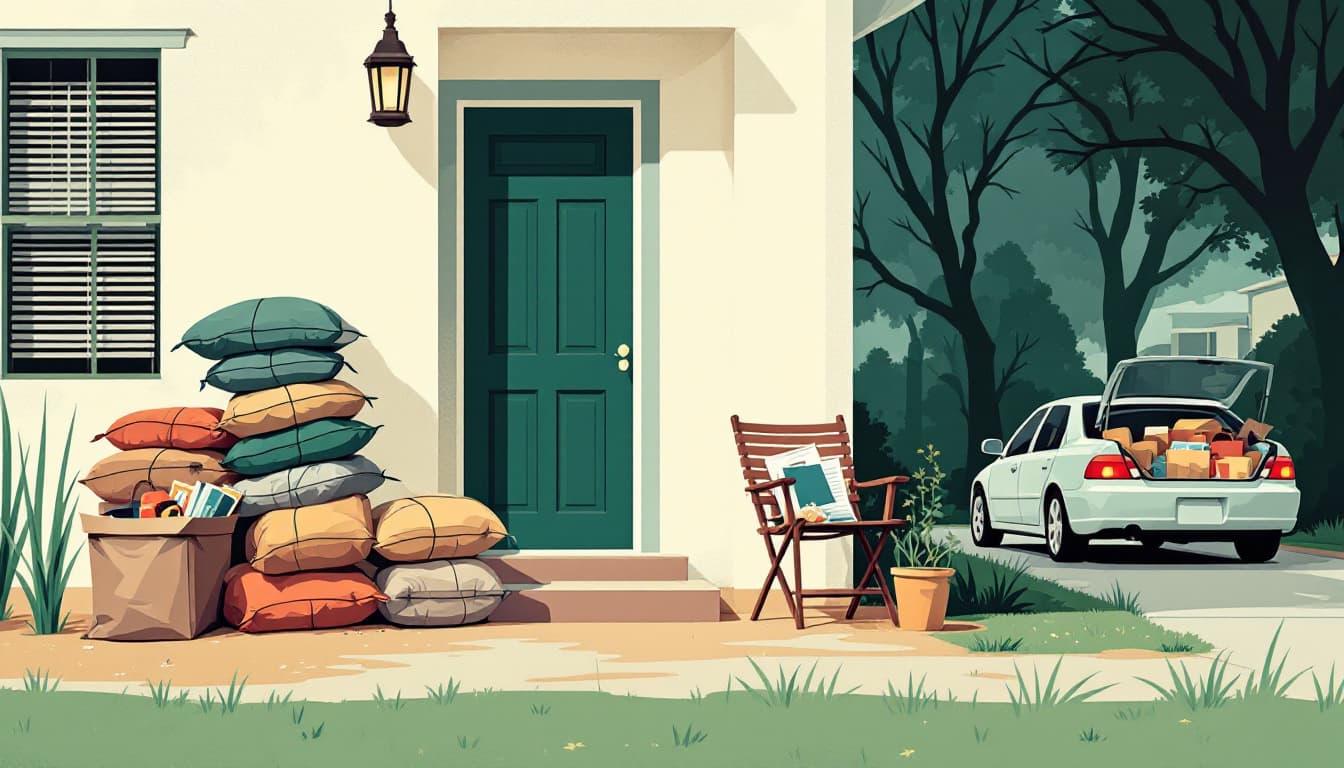
Build a "two-hour out" kit and stop calling it a 72-hour kit. The preparedness community's standard advice is a three-day bag. Louisiana flooding events often demand a decision in under two hours — before I-10 floods, before the shelter fills, before fuel lines form at the one open gas station on your route. Pack what your household needs to leave fast: medication for every person and pet, phone chargers, one change of clothes, important documents in a waterproof bag, and enough cash for two nights somewhere dry. Keep it in one place. Test it once this month by actually loading the car.
Identify two routes out of your neighborhood that don't use I-10. Pull up your parish's emergency management map — St. Tammany, East Baton Rouge, Jefferson, and Calcasieu parishes all publish them. Find one alternate north and one alternate west. Drive them on a clear day. Some of these roads flood before I-10 does; you want to know that before you need the knowledge.
Elevate anything in your home that water destroyed before. If a prior flood got your water heater, your HVAC unit, your electrical panel, or boxes of documents, the cost of moving those items up 18 to 24 inches is almost always less than replacing them again. This is not a gear purchase — it's an hour with concrete blocks or a shelf unit you already own.
Get one week of drinking water stored before June 1. FEMA's guidance is one gallon per person per day. For a family of four, that's 28 gallons — roughly seven standard flats of bottled water or two filled WaterBOB bathtub liners. Municipal water systems in flood-affected parishes sometimes issue boil-water advisories for days after events. This isn't prepper theater; it's a practical gap that costs about $20 to close.
The bigger picture
Louisiana households live with flood risk the way households in other states live with wildfire or ice storms: it's the condition, not the exception. The goal isn't to build a bunker or move to higher ground tomorrow. It's to reduce the number of decisions you have to make under stress when the next stack of storms arrives. Every action above can be completed this weekend. None of them require a significant financial outlay. Together, they shift your household from reactive to ready — which is a different thing entirely from scared.