A WZTV report this week put a specific clock on something Middle Tennessee households already know in the abstract: the flooding risk isn't over, and it extends through the weekend. That's a 72-hour window with active threat — not a distant possibility to think about later.
Middle Tennessee sits in one of the most flood-prone corridors in the Southeast. The Cumberland River and its tributaries can rise faster than most residents expect, and the region's mix of karst geology and developed suburban sprawl means water moves unpredictably. Flash flooding in areas that don't look like floodplains is a documented pattern here, not an outlier.
So what does a weekend-length flood threat actually demand from a household that hasn't tested its plan recently?
What's actually at stake in the next 72 hours
Flash flood watches and warnings in Middle Tennessee aren't abstract. Roads close. Underpasses fill. Power infrastructure fails. In a multi-day event, the compounding problem isn't the first hour of rain — it's hour 36, when you've lost power, a family member needs medication that's in a car you can't move, and you're trying to reach someone whose phone died.
The Tennessee Emergency Management Agency (TEMA) maintains county-level alerts, and the Nashville Metro government has a separate alert system for Davidson County residents. These are not the same system. If you live in Williamson, Rutherford, or Wilson County, you need that county's specific alert subscription, not just a Nashville-area news notification.
The other overlooked reality: Tennessee's summer flooding often coincides with heat. A flooded road that traps you at home while the power is out is a compounded problem — not just an inconvenience.
What we'd actually do
Check your county's alert enrollment before Saturday. Go to your specific county's emergency management page — not TEMA's homepage — and confirm you're enrolled in wireless emergency alerts and any opt-in text systems. Davidson, Rutherford, Williamson, and Wilson counties each have separate portals. Five minutes now beats learning about a road closure from a neighbor's Facebook post at midnight.
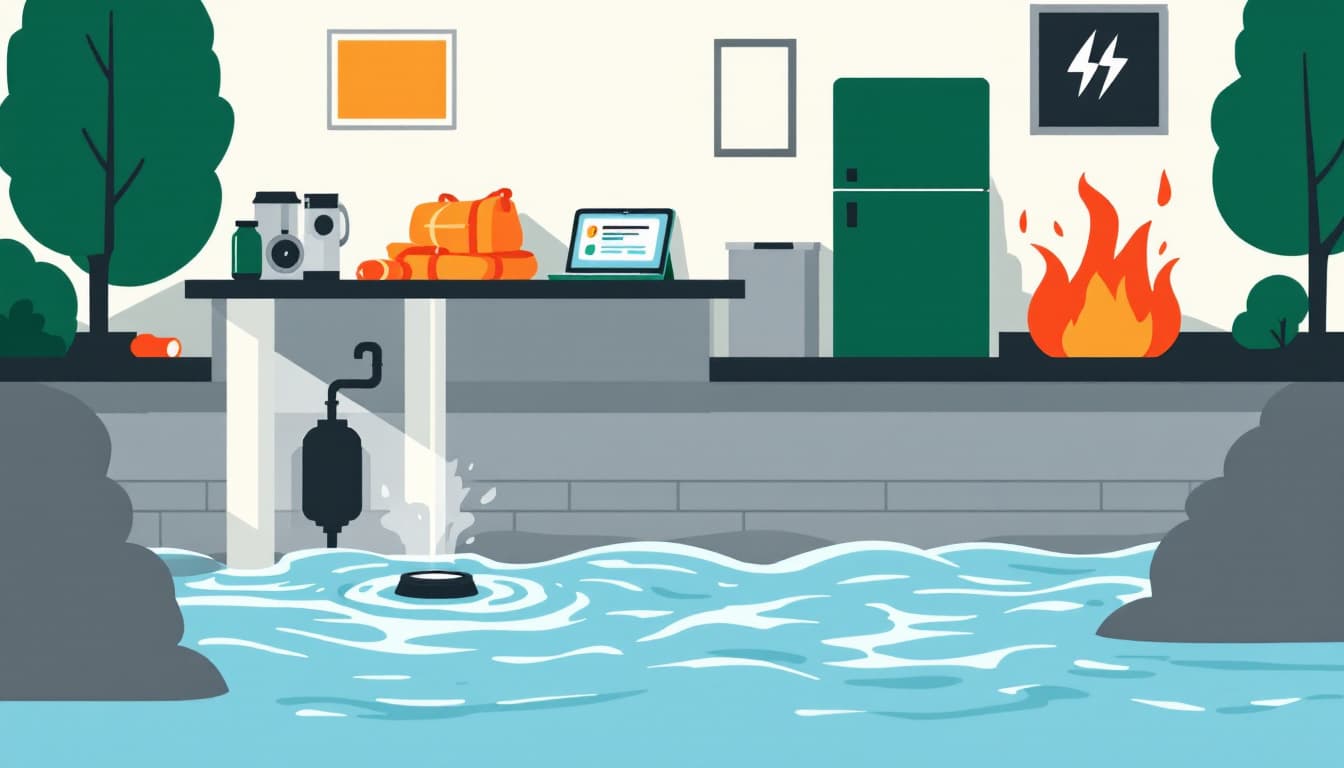
Move the things that flood damage destroys quickly. Documents, medications, and irreplaceable items should not be in ground-floor cabinets or cardboard boxes sitting on a garage floor. A $15 waterproof document bag and 20 minutes of vertical reorganization covers the most common loss. If you have a basement, assume it could take water.
Put a paper list of critical phone numbers somewhere physical. When a phone battery dies and a cell tower is overloaded — both realistic outcomes in a multi-day Middle Tennessee event — the digital contact list is useless. Write down: a local contact outside your immediate neighborhood, your insurance company's claims line, and TEMA's public information line. Tape it inside a cabinet door.
Tank your car. Flash flooding closes roads with no warning. A vehicle at a quarter tank is a vehicle that may not get you where you need to go if you're rerouting around closures. Fill it now.
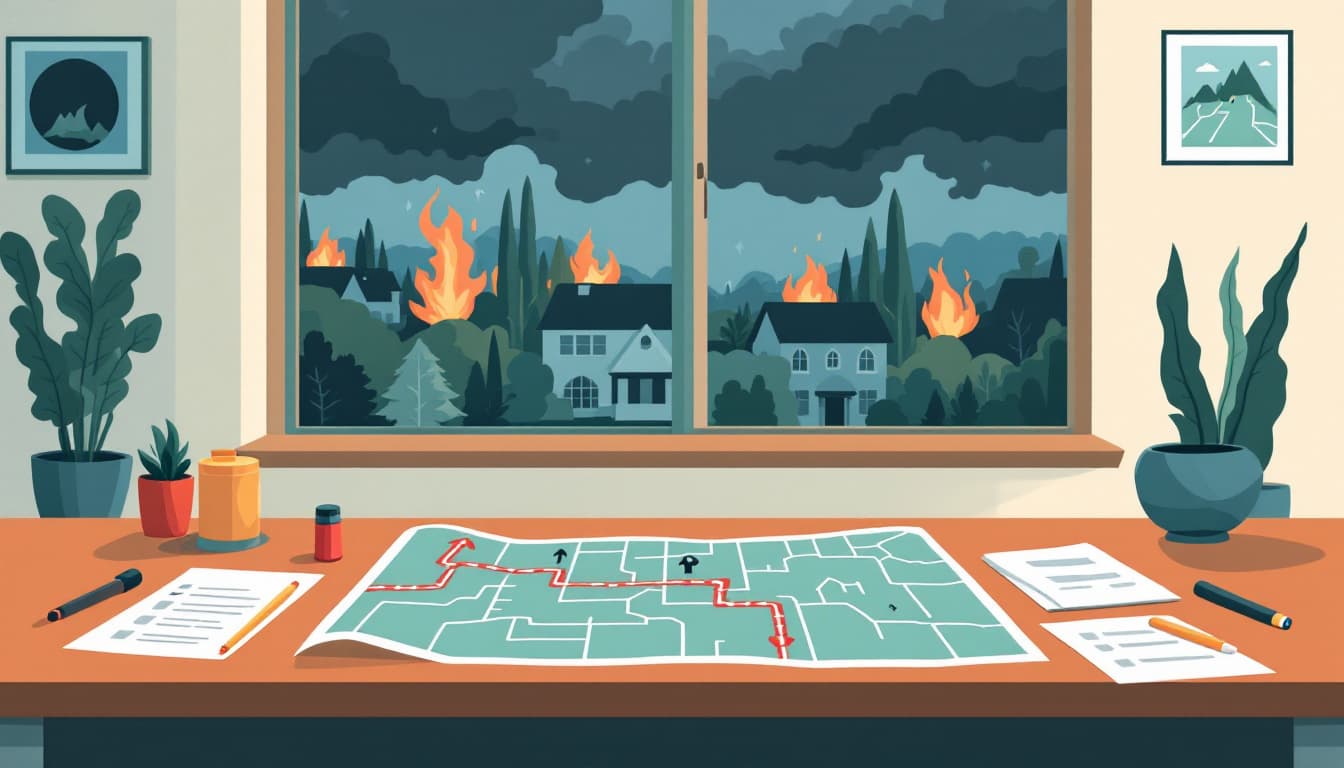
Know your nearest high ground and your household's actual trigger. Decide in advance: at what point do you leave? Waiting until a road is visibly flooding is too late. If you live near any creek, stream, or low-lying area in Middle Tennessee, identify your route out and the friend or family member you'd go to. Write it down. Tell the people in your household what it is.
The bigger picture
Middle Tennessee floods regularly. It flooded catastrophically in 2010, seriously in 2021, and in smaller but disruptive ways in many of the years between. The pattern isn't changing. What changes is whether individual households treat each active threat as a practice run for the next serious one.
The goal here isn't to build a bunker or spend a hundred dollars on gear. It's to close the specific gaps that show up in the first six hours of a real event: no alerts, no fuel, no documents, no plan. Those gaps are all fixable before Sunday.