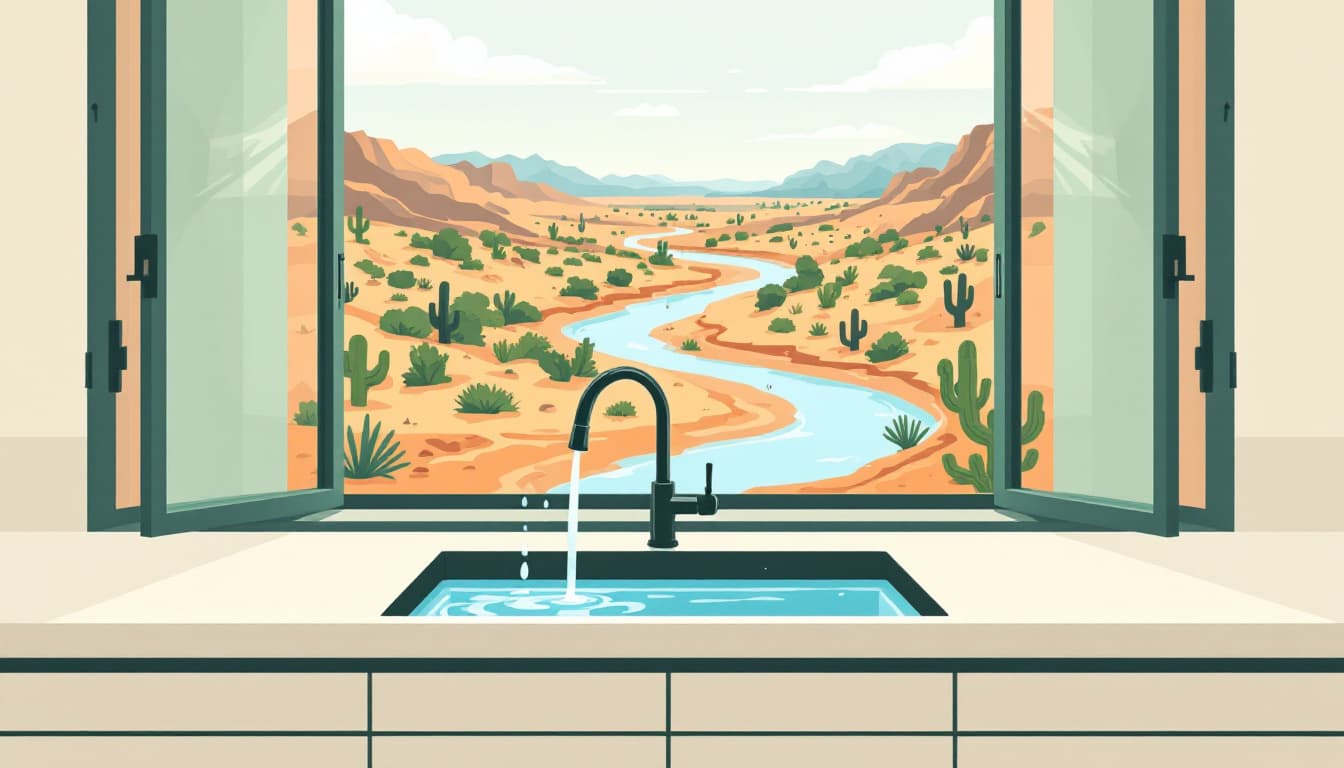
The Navajo Nation, which covers roughly 27,000 square miles across northeastern Arizona, New Mexico, and Utah, has declared a state of emergency over extreme drought conditions, according to a report this week from AZ Family. For residents of the reservation, this is an immediate crisis — many households there have never had piped water and haul it by truck from filling stations that are themselves running low. For the rest of Arizona, it is something else: a pressure gauge on a system everyone shares.
What's actually changing
The Colorado River compact states have been drawing down Lake Mead and Lake Powell for years. The Navajo Nation's emergency declaration doesn't cause that problem, but it makes visible how close the margins already are for communities at the end of the water delivery chain. The Nation holds senior water rights that have historically been under-delivered due to infrastructure gaps. During shortage years, that infrastructure gap becomes a humanitarian one.
For Phoenix metro and Tucson households, the direct water supply picture is different — the Central Arizona Project canal and Salt River Project infrastructure provide more redundancy. But Arizona has been operating under federally declared Colorado River shortage conditions, and the state's Water Security Initiative is still years from delivering meaningful new supply. The Navajo emergency is not a distant problem. It is the same drought, playing out first in the most exposed places.
What this signals at the household level: water disruptions in Arizona are not a theoretical risk managed entirely by utilities. They are a known, documented pattern that will intensify before it eases.
What we'd actually do
Audit your household's actual water storage. Start by figuring out how many gallons you'd need for drinking and basic sanitation per person per day — FEMA's baseline figure is one gallon per person per day for drinking alone, which is a floor, not a target. A family of four needs a minimum of 28 gallons for a week. Most Arizona households have none stored. Pick a number, then check whether you have it.
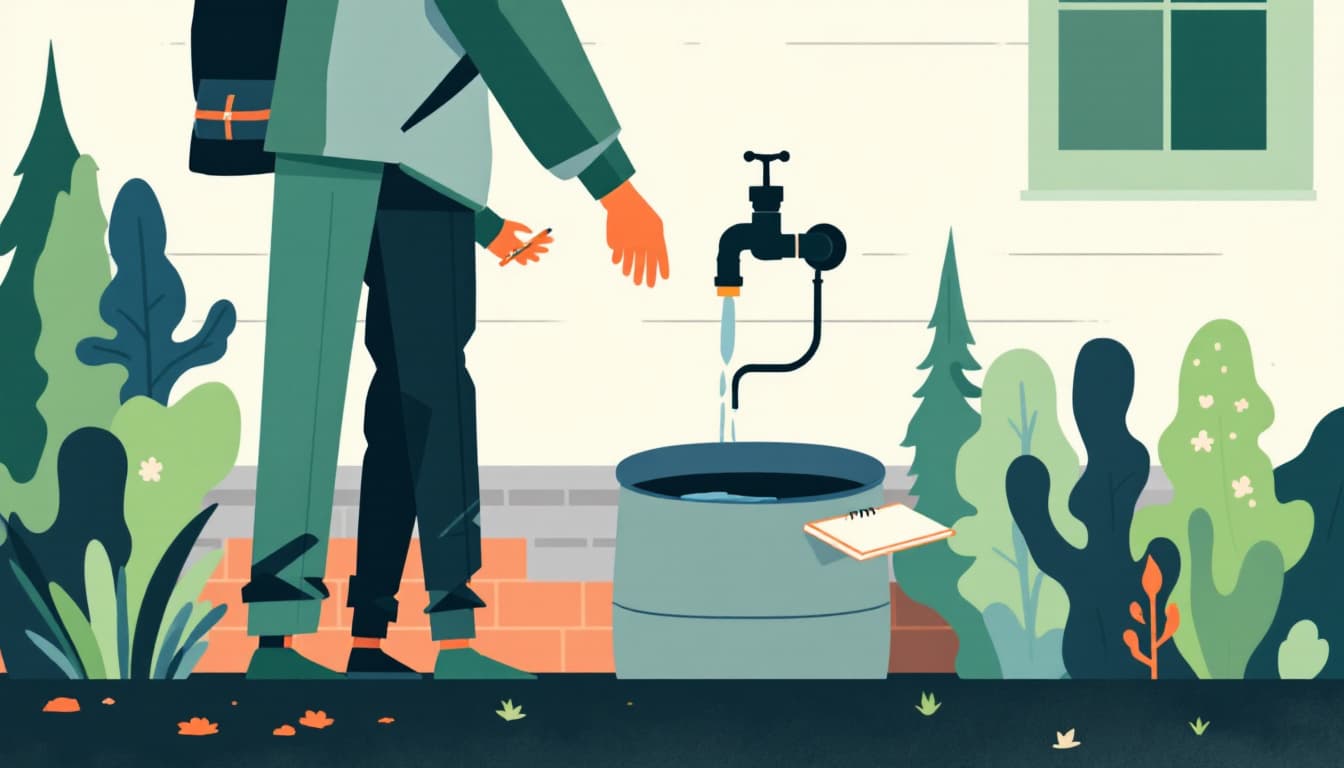
Fill that gap with something durable, not dramatic. A few cases of bottled water from Costco is a start, but a better investment is a 55-gallon food-grade drum with a bung wrench and a hand pump, which runs under $100 new. Filled from your tap and treated with a few drops of unscented bleach, it stays good for six to twelve months. Store it somewhere shaded — an Arizona garage in July will shorten that window. This is not a bunker purchase. It is the same logic as keeping a spare tire.
Know where your water comes from. Pull up your municipal water utility's most recent Consumer Confidence Report — every utility is required to publish one annually. Find the section on source water. If you're on a private well in a rural area, check with the Arizona Department of Water Resources on your basin's active management status. Knowing your supply chain takes twenty minutes and changes how you read drought news.
Learn your utility's drought stage triggers. Most Arizona municipalities have tiered drought response plans with mandatory conservation measures that kick in at specific reservoir levels or shortage declarations. Stage 2 and Stage 3 restrictions can meaningfully limit outdoor irrigation and filling schedules. Know what triggers those stages for your provider, and plan your landscape and habits accordingly before you're forced to.
Build a two-week buffer on the things that require water to prepare. Dry rice and beans require about two cups of water per serving to cook properly. If you're stocking food for emergencies, account for the water those foods need. A two-week food supply that assumes unlimited tap access is a plan with a gap in it.
The bigger picture
The Navajo Nation drought emergency is the kind of signal that gets filed as someone else's problem. It isn't. Arizona is a state where the gap between adequate water infrastructure and total dependency on a single delivery system can be measured in a dry summer. The families living closest to that edge right now are on the Nation. But the forces producing that emergency — a two-decade megadrought, an over-allocated river, aging infrastructure — extend across every Arizona zip code.
Durability, not disaster-proofing, is the goal. A stored month of water doesn't mean you've predicted catastrophe. It means you've acknowledged that you live in the Sonoran Desert and made one sensible adjustment. The Navajo Nation's declaration is a reminder of what happens when that adjustment never gets made.