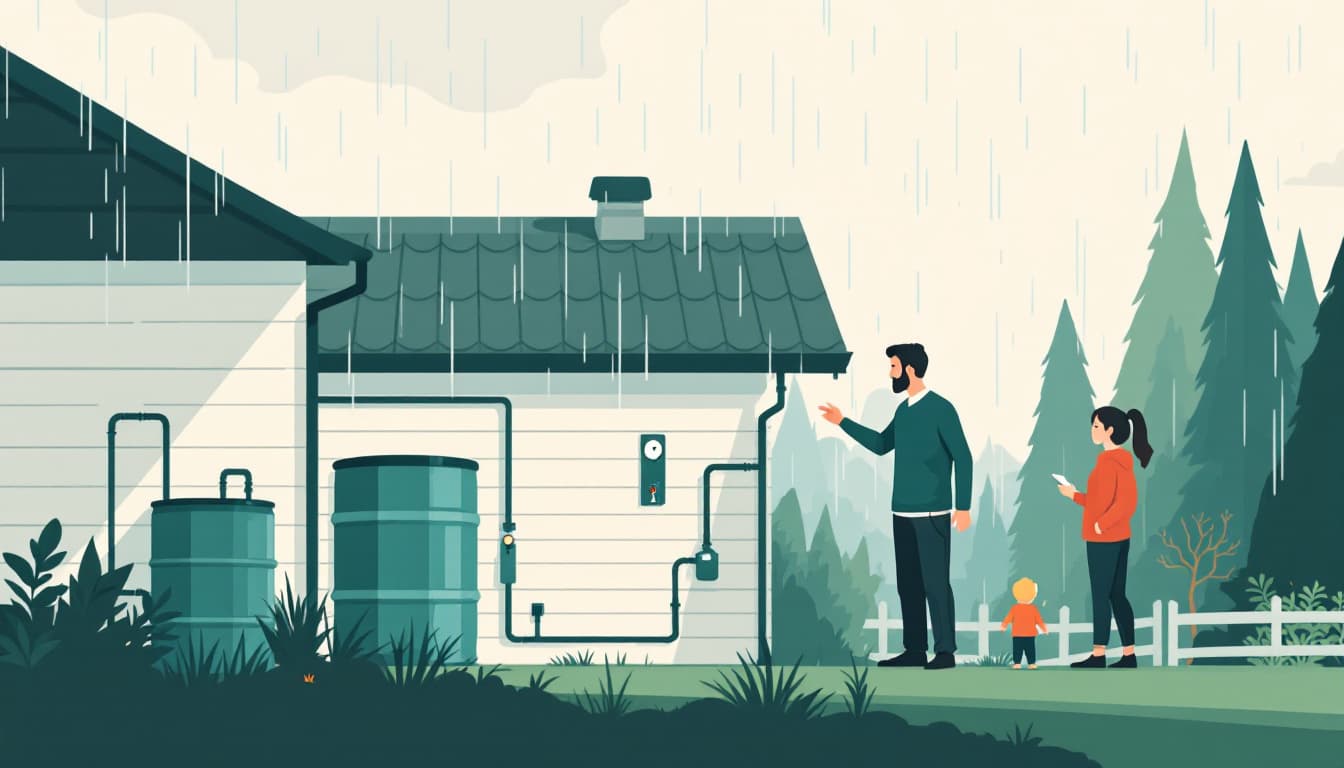
A rainy week feels like relief. The ground is wet, the grass greens up, and it's easy to decide the problem has passed. It hasn't.
A report from WWAYTV3 this week confirms that most of North Carolina is still classified as being in severe or extreme drought — despite recent rainfall. That gap between what the sky did and what the land actually holds is the thing worth understanding.
What's actually happening
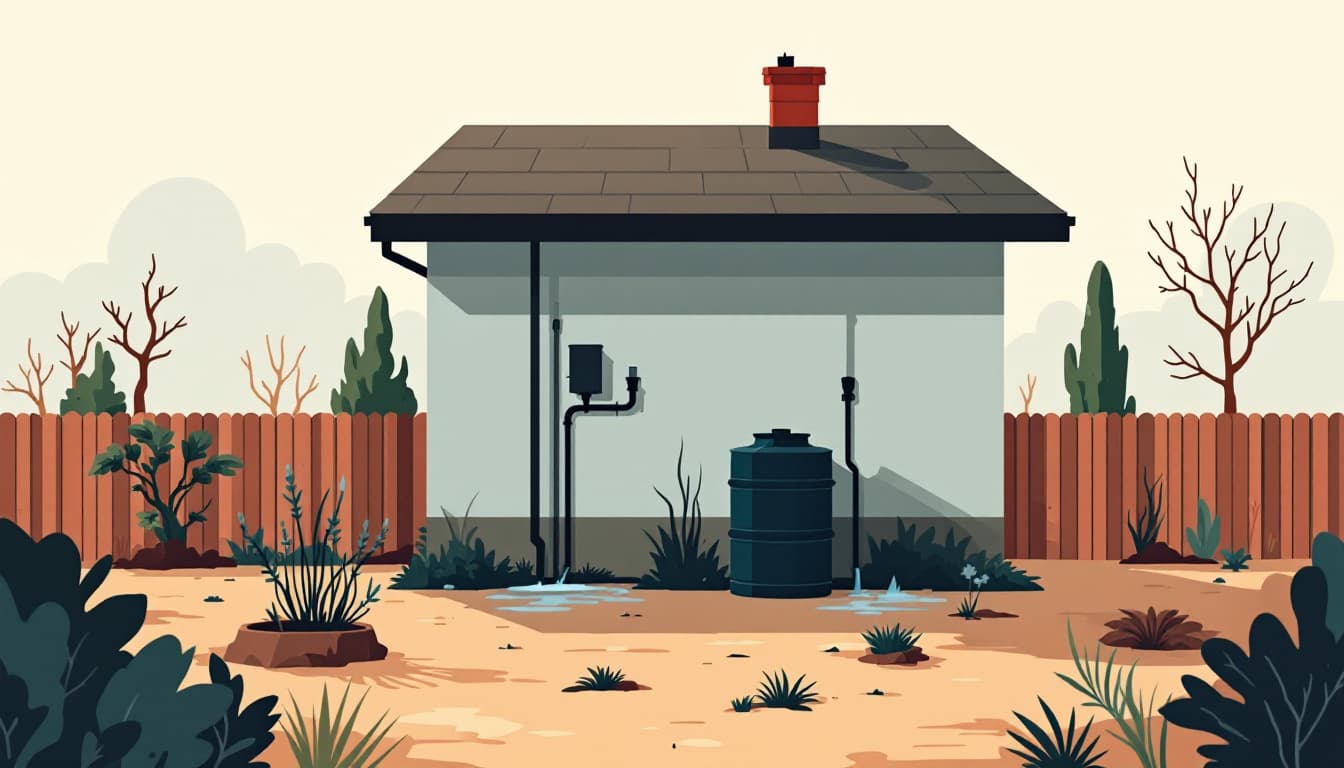
Drought isn't a single bad week of rain. It's an accumulated deficit — soil moisture, groundwater recharge, reservoir levels, and streamflow all running below their historical baselines for an extended period. A few inches of rainfall can bring temporary relief to surface soil and satisfy the lawn, but it doesn't meaningfully move a deep groundwater deficit. The U.S. Drought Monitor, which the National Drought Mitigation Center updates each Thursday, uses multiple indicators precisely because any single reading is misleading.
The Piedmont and western mountain counties of North Carolina carry some of the longest-running deficits. Municipalities that draw from surface water — many towns along the Catawba River chain of lakes, for example — watch reservoir levels closely. When drought classifications remain at "extreme" even after measurable precipitation, the underlying math is telling you something.
For households, this isn't about imminent taps running dry in urban areas. It's about recognizing that resilience around water is genuinely thin right now, and that a single hot, dry summer stretch could accelerate restrictions faster than most families have planned for.
What we'd actually do
Check your county's current water restrictions and know your utility source. Most North Carolina municipal water authorities post current drought response stages on their websites. Find yours and bookmark it. Knowing whether you're on surface water, groundwater, or a regional system changes how quickly you'd feel a shortage. The NC Department of Environmental Quality maintains a statewide drought portal that aggregates this by county.
Store a working seven-day household water supply. FEMA's baseline recommendation is one gallon per person per day; many preparedness practitioners suggest two gallons when you factor in hygiene and cooking. For a family of four, that's 28 to 56 gallons. Commercial stackable water barrels in the 5- to 7-gallon range cost under $15 each and store in a garage or basement. Rotate them every six to twelve months. This isn't a doomsday scenario — it's reasonable coverage for an extended boil-water advisory or localized supply interruption.
Audit your outdoor water use against actual drought stage rules. Many families unknowingly violate Stage 2 or Stage 3 irrigation restrictions simply because they haven't checked. Watering on the wrong day or wrong hour during active restrictions can draw fines in some municipalities. More practically, outdoor use is often 30 to 50 percent of residential consumption in summer months — cutting it back now, voluntarily, conserves capacity your community will need if the drought deepens.
If you have a private well, schedule an inspection or at minimum log your current water levels. Rural households in piedmont and western NC on private wells are more exposed than city residents during extended drought. Well yield can drop significantly as the water table falls. If you don't have a recent well log, calling a licensed well contractor for a current reading gives you a baseline. Knowing your depth-to-water now tells you how much headroom you actually have.
Consider a quality gravity-fed water filter as a household tool, not a survival item. If your municipality issues a boil-water notice — common after both drought stress and heavy precipitation events that overwhelm treatment systems — stored water plus a reliable filter keeps your household functional without burning fuel or electricity. Berkey, Sawyer, and Platypus all make gravity systems in the $40 to $250 range. This is a utility purchase, not a prepper identity statement.
The bigger picture
North Carolina's drought is a signal worth reading clearly, not panicking over. The state has infrastructure, the NCDEQ has protocols, and municipalities have staged response plans precisely because this happens. What households can do is close the gap between institutional resilience and kitchen-level readiness — because those systems assume that most families have at least some buffer.
Drought years also tend to arrive in clusters. One dry summer rarely comes alone. Building good water habits now — knowing your source, storing a modest supply, understanding the restriction framework — costs almost nothing and holds value through whatever the next few seasons bring.
Durability is the goal. Not a bunker. Not a crisis. Just a household that doesn't get caught flat-footed by a problem that was visible weeks in advance.