Hundreds of Charlotte-area residents have been reported to authorities for violating active drought restrictions, according to a recent story from the Charlotte Observer. Some cases involve lawn irrigation at prohibited hours. Others are repeat offenders. The utility enforcing the rules — Charlotte Water, which serves roughly 300,000 accounts across Mecklenburg and parts of surrounding counties — is now escalating enforcement, not just issuing warnings.
That's the part worth sitting with. Drought conditions in the Piedmont are not new. But moving from advisory to enforcement, and from warnings to formal reports, signals a system under enough pressure that utilities feel they have to act publicly. That shift matters to every household in North Carolina that draws from a municipal supply.
What's actually changing
North Carolina sits in a complicated position climatically. The western mountains capture significant precipitation. The Piedmont and Sandhills can swing between flooding and drought within a single season. Charlotte's current situation reflects a pattern the state's drought management office has tracked for years: warm-season dry stretches that arrive earlier and last longer than historical norms.
The enforcement story is less about the residents who got reported and more about what it reveals: municipal water systems are managing tighter margins. When a utility starts publicly logging violations, it's signaling that voluntary compliance isn't enough and that the reservoir math is real.
For households not in the Charlotte metro, this isn't a distant problem to observe. Raleigh, Durham, Greensboro, and the Triad draw from reservoirs that follow similar seasonal patterns. The Catawba River basin, which Charlotte's supply depends on, is a shared resource across a chain of communities from the mountains to the South Carolina border. Stress at one point echoes downstream.
What we'd actually do
Check your utility's current drought stage and know what it restricts. Most North Carolina water utilities post drought status on their websites, and the state Division of Water Resources maintains a statewide drought monitor. Stage 1 typically restricts outdoor watering to specific days and hours. Stage 2 often bans it outright for non-essential use. If you don't know what stage your utility is in right now, you don't know whether you're compliant — and "I didn't know" is not a defense when fines start appearing.
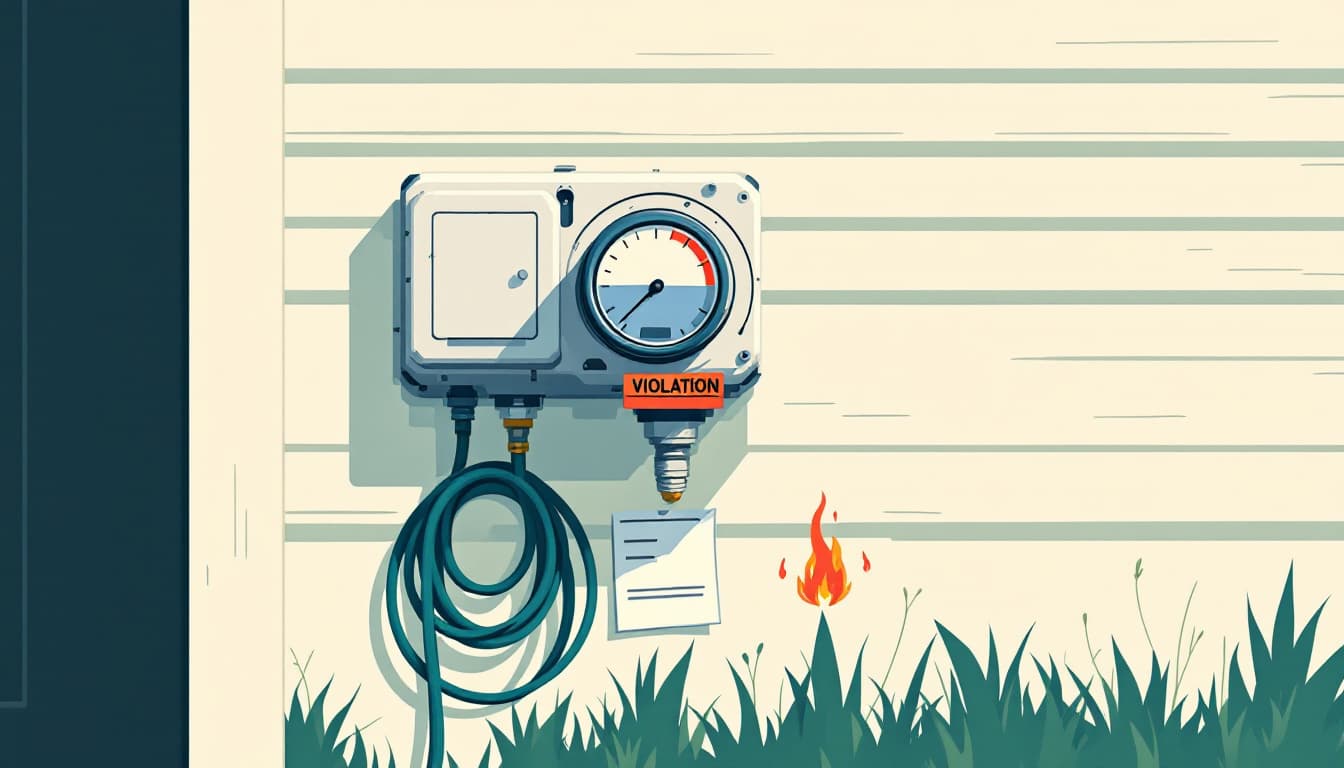
Audit where your household actually uses water. Indoor use — toilets, showers, laundry, dishwashers — accounts for roughly 70% of most household consumption. Outdoor irrigation is the variable that spikes during summer months and the target of most restrictions. A simple week-long look at your water meter before and after turning off outdoor watering tells you how much you're using outdoors. Most households are surprised by the gap.
Build a modest stored water supply before you need it. This is not about bunkers. It's about having three to seven days of drinking and sanitation water on hand so that a boil-water notice, a main break, or a sudden restriction doesn't put your family in a scramble. The standard guidance is one gallon per person per day. A family of four needs 28 gallons for a week — that's four to five standard water storage containers from any hardware store, costing under $30 total. Fill them, date them, and rotate every six months.
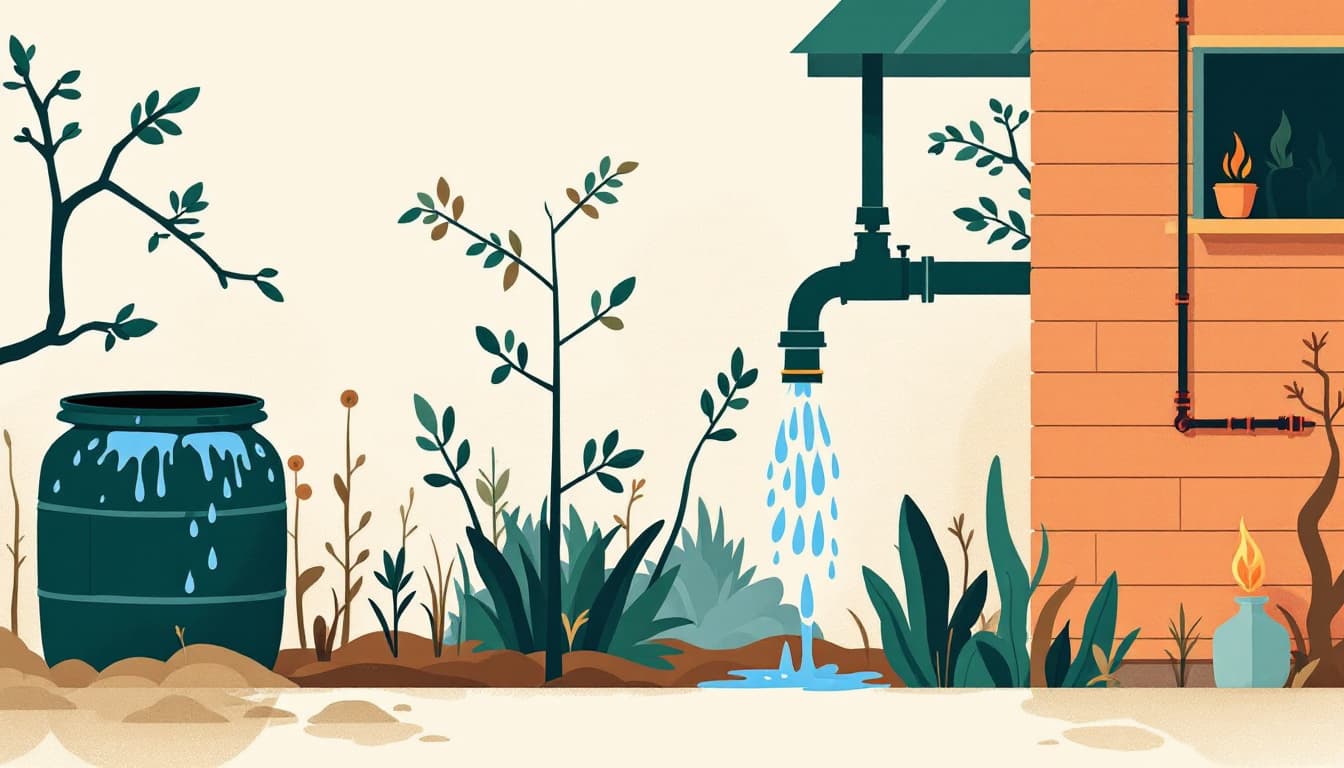
If you have outdoor plants you care about, shift to drip irrigation or soaker hoses. Overhead sprinklers in the North Carolina heat lose a significant share of water to evaporation before it reaches roots. Drip systems deliver water at ground level and are typically exempt from or treated more favorably under drought restrictions because the water actually reaches the plant. The upfront cost is low; kits for a standard garden bed run $25 to $50.
Talk to your neighbors before the utility does. Charlotte Water didn't contact the people who were reported — neighbors did, or the utility's own monitoring did. In tight-water conditions, community trust matters. If you're on a well-and-septic system in a rural county, you may not face municipal restrictions, but your neighbors on the same aquifer are affected by what you draw. That's a conversation worth having before summer peaks.
The bigger picture
Water isn't a prepper topic. It's a household management topic. The Charlotte enforcement story is a useful reminder that municipal systems work well until they don't, and that the margin between normal and restricted service can close faster than most families plan for. North Carolina households that treat water like a managed resource — rather than an infinite tap — will spend less time scrambling and more time making good decisions under pressure. That's durability. That's the goal.