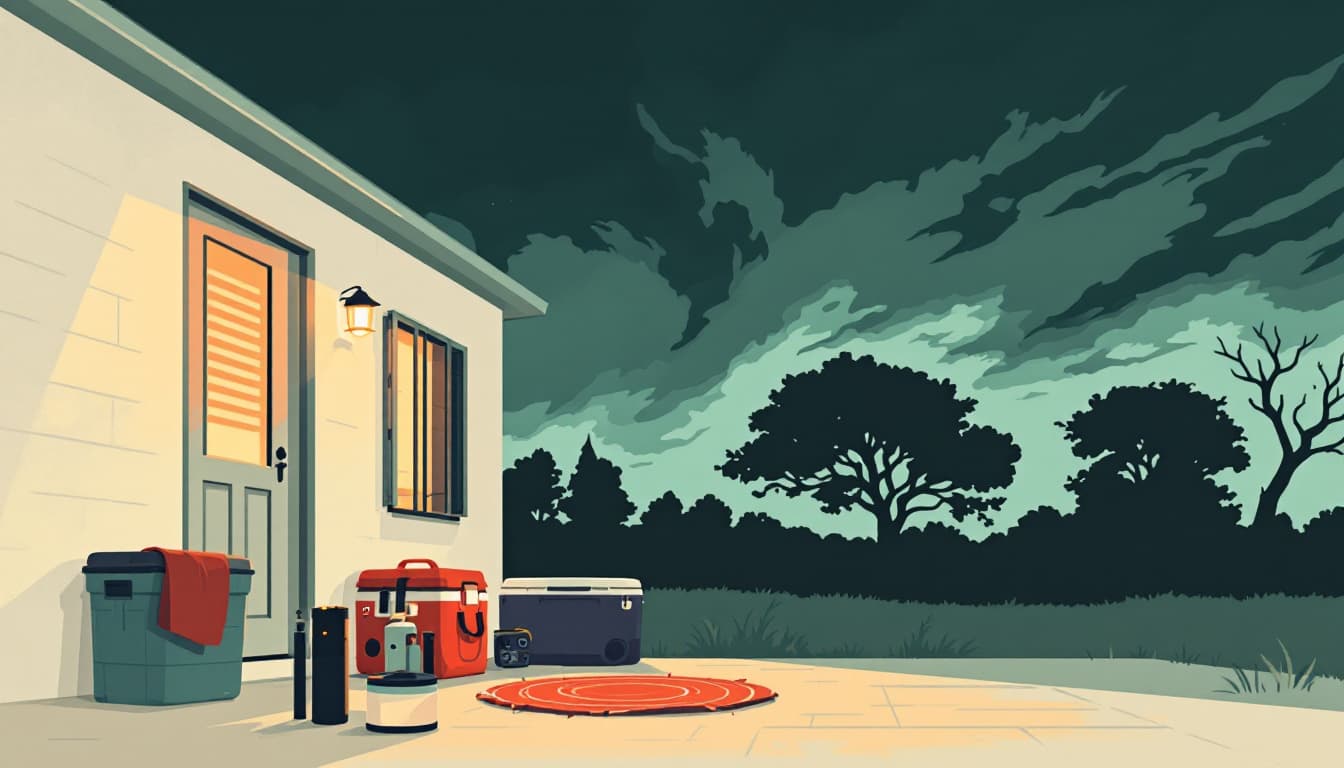
A CBS News report this week described what North Texas residents already feel stepping outside before 8 a.m.: high heat, oppressive humidity, and the threat of scattered thunderstorms cycling through the region. That combination — brutal heat interrupted by storms rather than relieved by them — is the part most weather coverage skips over. Storms knock out power. Power outages in high heat are not an inconvenience. They are a health emergency that can escalate within hours, especially for households with elderly members, young children, or anyone on medication that requires refrigeration.
What's actually changing
The heat-humidity pairing is more dangerous than raw temperature alone because humidity suppresses the body's ability to cool itself through sweat. When the heat index climbs into the 105–115°F range — common across the Dallas-Fort Worth Metroplex and surrounding areas in June — the body's margin for error shrinks fast. Add a storm-triggered outage that kills your AC at 3 p.m., and a home can become unlivable within two to three hours.
ERCOT, the operator of Texas's main power grid, has made grid stability improvements since the 2021 winter storm. But the grid's stress period has always been summer afternoons, and heat-plus-storms creates a compounding risk: high demand from cooling loads collides with generation instability when storms move through. Texas households in the DFW area, but also in the Houston metro, San Antonio, and Central Texas, face this same pattern through at least September.
Scattered storms also mean the risk is uneven. Your block loses power; your neighbor's doesn't. That makes community awareness — not just individual gear — a real part of your preparation.
What we'd actually do
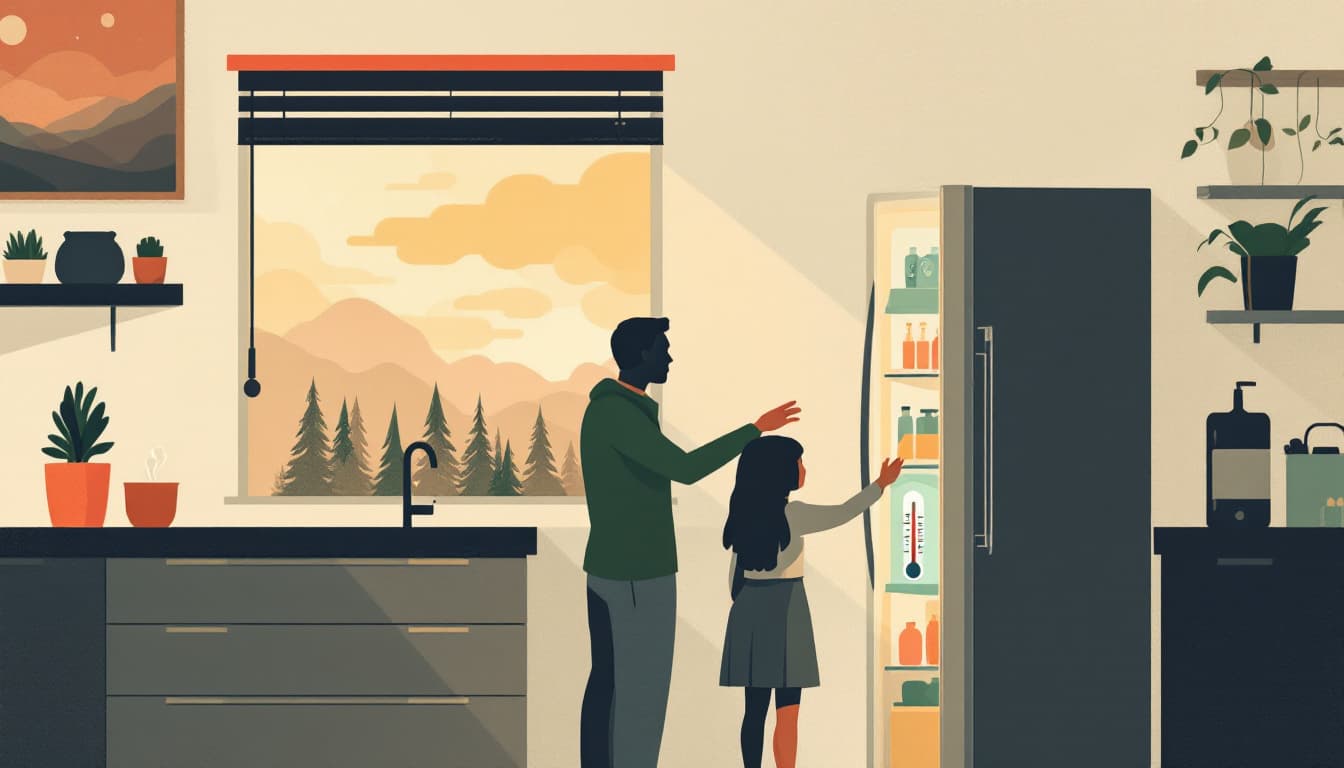
Identify your household's heat vulnerability threshold before the next event. Sit down and honestly assess who in your household would be in danger within four hours of losing AC. Elderly adults and infants are the obvious cases, but also consider anyone on beta blockers, diuretics, or antipsychotics, all of which impair heat tolerance. If you have a vulnerable person, your plan needs a destination — a family member's home, a library, a mall — not just supplies.
FEMA and the Texas Department of State Health Services both maintain updated lists of cooling centers by county during heat emergencies. Know where yours is before you need it. Searching for that information at 4 p.m. with no power and a phone at 12% battery is not a plan.
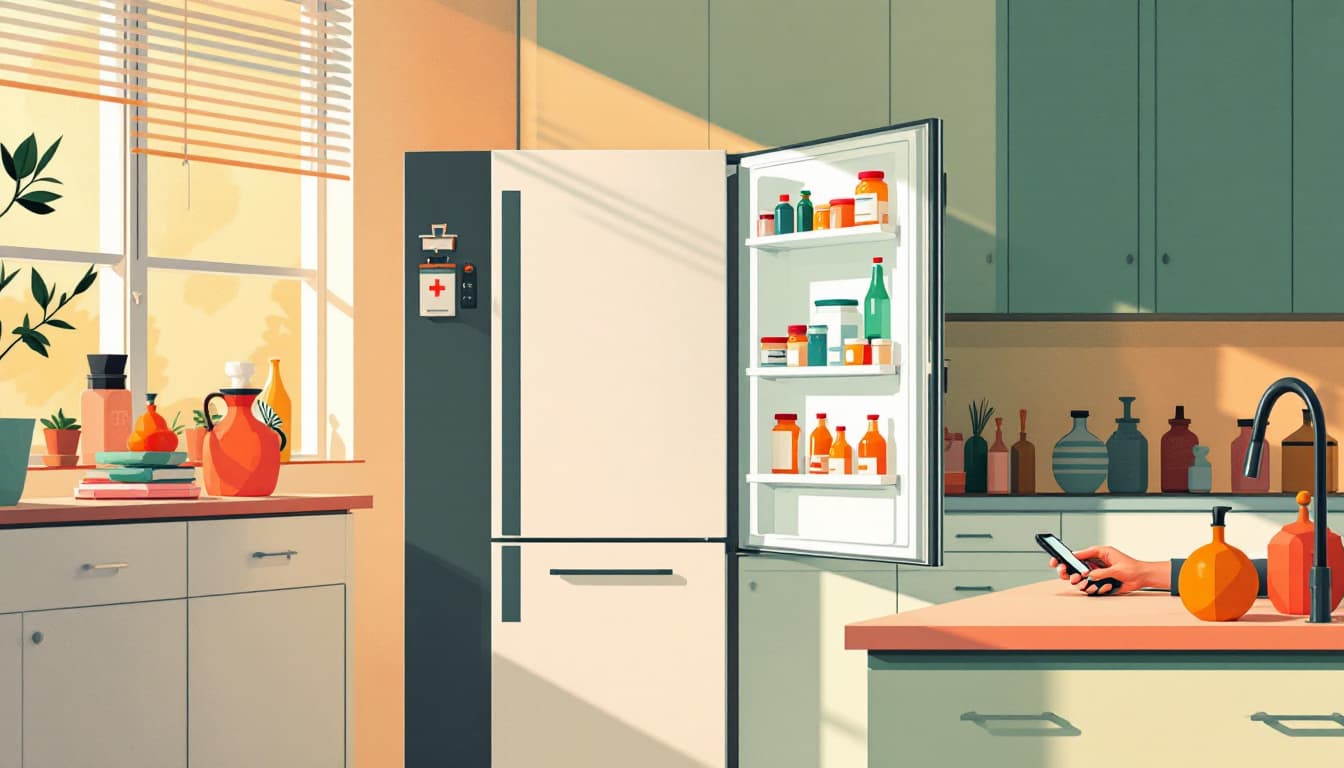
Build a 72-hour cold-chain buffer for food and medication. A good cooler and a clear rotation of frozen water bottles can hold a refrigerator-safe temperature for two to three days if you limit how often you open it. Fill two-liter bottles with water and freeze them now. This costs nothing. If you or a family member has insulin or another temperature-sensitive medication, talk to your pharmacist this week about short-term storage options; many pharmacies will give you a specific temperature range and duration guidance. Don't guess.
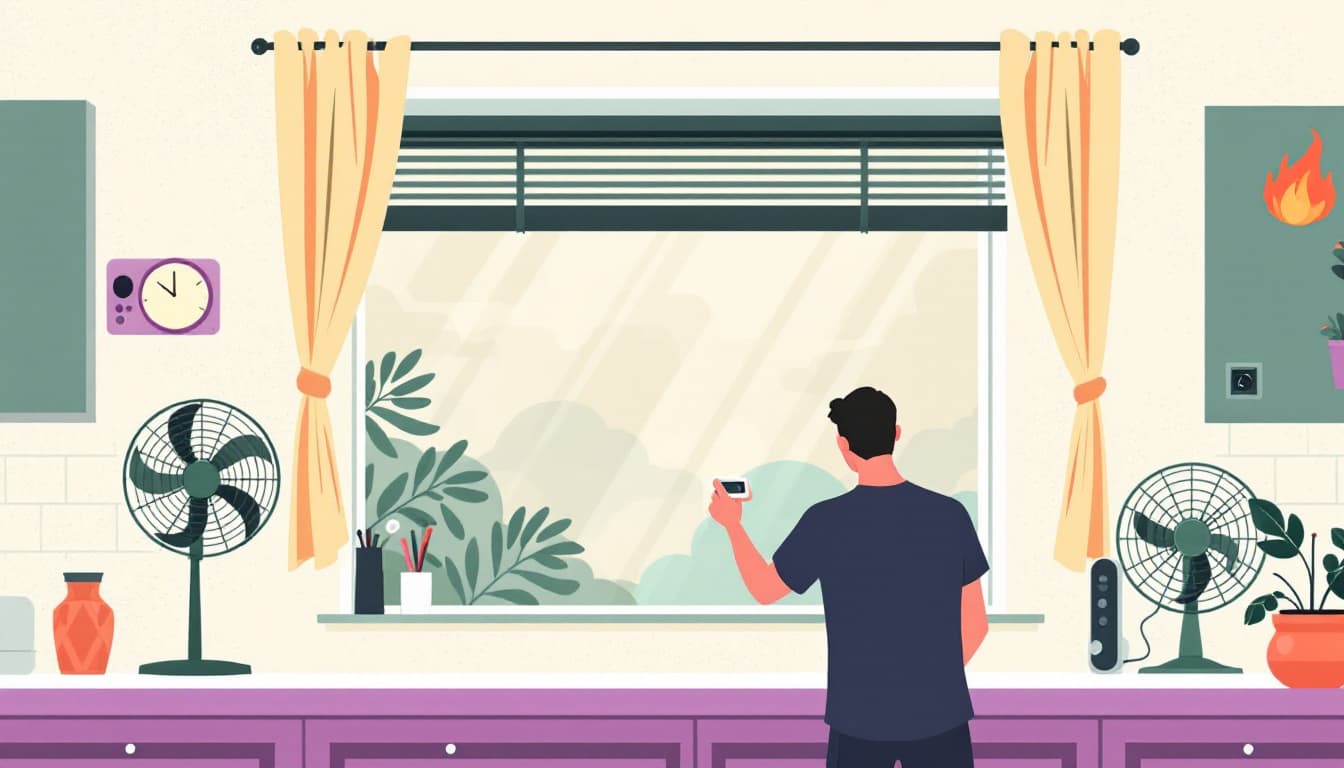
Pre-position two or three battery-powered fans in accessible spots. Battery fans are not a substitute for AC, but moving air over damp skin meaningfully reduces heat stress. A good quality rechargeable fan runs $30–60 at most hardware stores. Charge it tonight. Put one near where your most vulnerable household member sleeps.
Check your window AC unit or central air filter before the next storm cycle. A clogged filter makes your system work harder and cool less effectively, and it raises your electric bill. This takes ten minutes. If your system is struggling to hold temperature even when power is on, a dirty filter is the first thing to rule out before calling a technician.
Know your neighbor. This is the most low-cost, highest-impact action on this list. One conversation — "Hey, if either of us loses power during a heat event, let's check on each other" — can be the difference between a bad afternoon and a tragedy. Isolated households, especially those with elderly residents who live alone, are the ones that show up in heat-related mortality data.
The bigger picture
Texas summers have always been demanding. The goal is not to fear the forecast but to reduce how much a bad forecast can hurt you. A household that has thought through its vulnerabilities, has two days of food and water security, knows where to go if home becomes unsafe, and has one neighbor checking in — that household is durable. That is the bar. You do not need a bunker. You need a plan that works on a Tuesday afternoon when the power goes out and it's 103 degrees outside.
The North Texas forecast this week is a useful reminder to close the gaps before the season deepens.