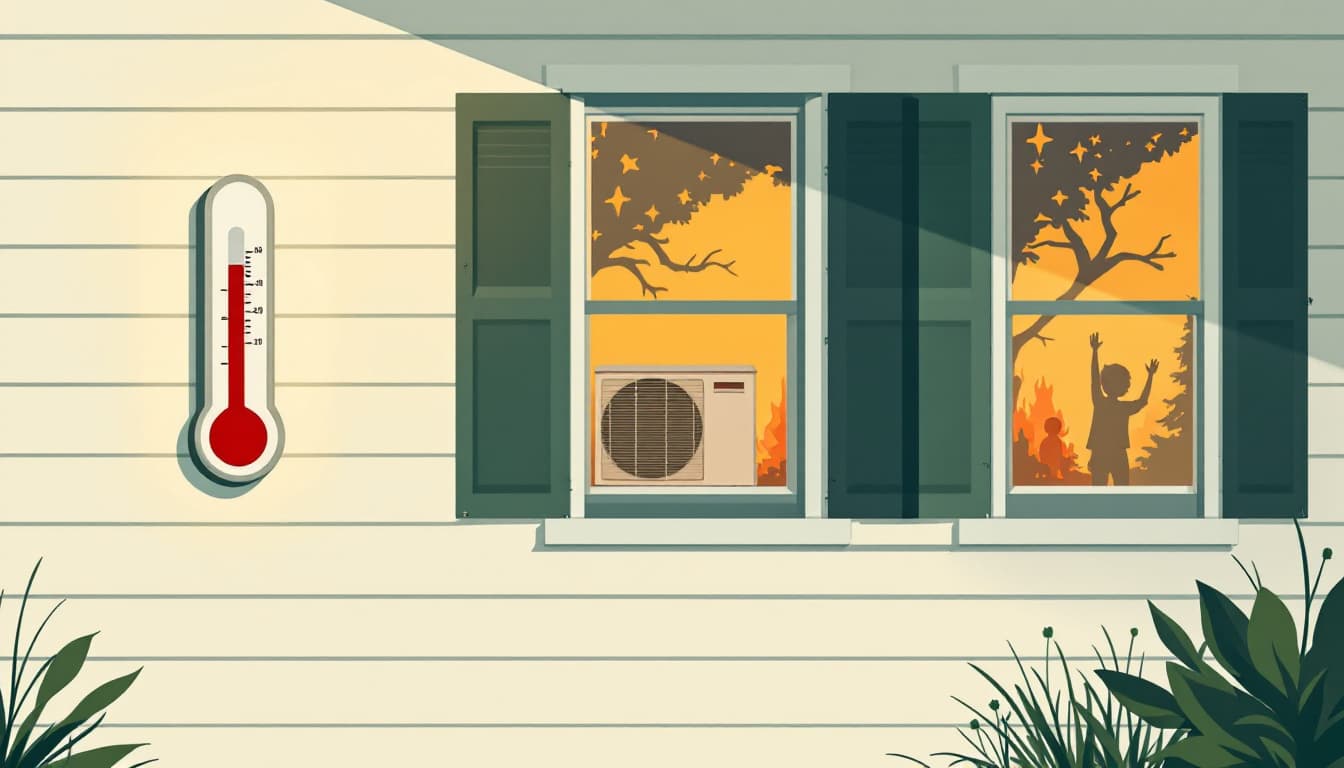
A report this week from Dallas News describes an active wildfire being referred to as an "Inferno" burning across North Texas, with extreme heat conditions significantly elevating fire danger across the broader region. The fire is part of a pattern of elevated fire risk that has accompanied record-breaking summer temperatures across the state's northern airshed, which stretches from the Red River corridor south through the Dallas-Fort Worth metroplex and into the Cross Timbers ecoregion.
Texas A&M Forest Service, the state agency responsible for wildfire suppression outside of municipal jurisdictions, has been tracking drought-stressed vegetation and low relative humidity conditions across North Texas that create the kind of fine-fuel loading that allows fires to spread rapidly. The region has experienced compounding stress from back-to-back hot summers, with soil moisture deficits leaving grasslands and brush in a critically dry state by late August.
The timing is significant for the Electric Reliability Council of Texas (ERCOT) grid as well. Late-summer wildfires in North Texas can threaten transmission infrastructure, and the combination of peak cooling demand from extreme heat alongside potential line damage or precautionary de-energization adds operational pressure to a grid already running near capacity margins during August heat events. ERCOT manages roughly 90 percent of Texas's electrical load, and transmission corridors in the affected region serve millions of customers in the DFW area.
North Texas lies within a fire-prone zone where the eastern edge of the semi-arid west meets the more humid east, creating a transitional landscape where wind-driven grass and brush fires can cover ground quickly. The Brazos and Trinity River watersheds, both sourcing water for major municipal systems in the region, also face sedimentation and contamination risks when large fires burn across upstream drainage areas — a concern that water utility managers in Tarrant and Dallas counties monitor following significant fire events. For households that have looked into fire-rated storage options, Middle Class Prepper's water storage reviews cover containers tested under elevated temperature conditions relevant to this kind of regional emergency context.
Texas Governor's Division of Emergency Management coordinates state-level fire response declarations that can unlock mutual aid and National Guard support. Whether such declarations have been issued in connection with the current fire was not specified in the Dallas News report, but the agency's protocols allow rapid resource deployment to county emergency management offices when local suppression capacity is exceeded.