A unified command doesn't happen by accident. According to Central Oregon Fire Information, the Oregon Department of Forestry has assumed command of the Brewer and Box Spring fires and entered unified command with the Oregon State Fire Marshal — a coordination structure that fire managers activate when a fire is crossing jurisdictional lines, moving fast, or both. That bureaucratic sentence is actually useful information for households in Central Oregon.
What a unified command actually means on the ground
Unified command exists because wildfires don't stop at county lines. When ODF and the State Fire Marshal are running the same incident together, it means the fire has grown complex enough — in size, jurisdiction, or suppression difficulty — that no single agency can manage it alone. It also means mutual-aid resources are almost certainly being drawn from across the state.
This is not a signal to panic. It is a signal to check your status.
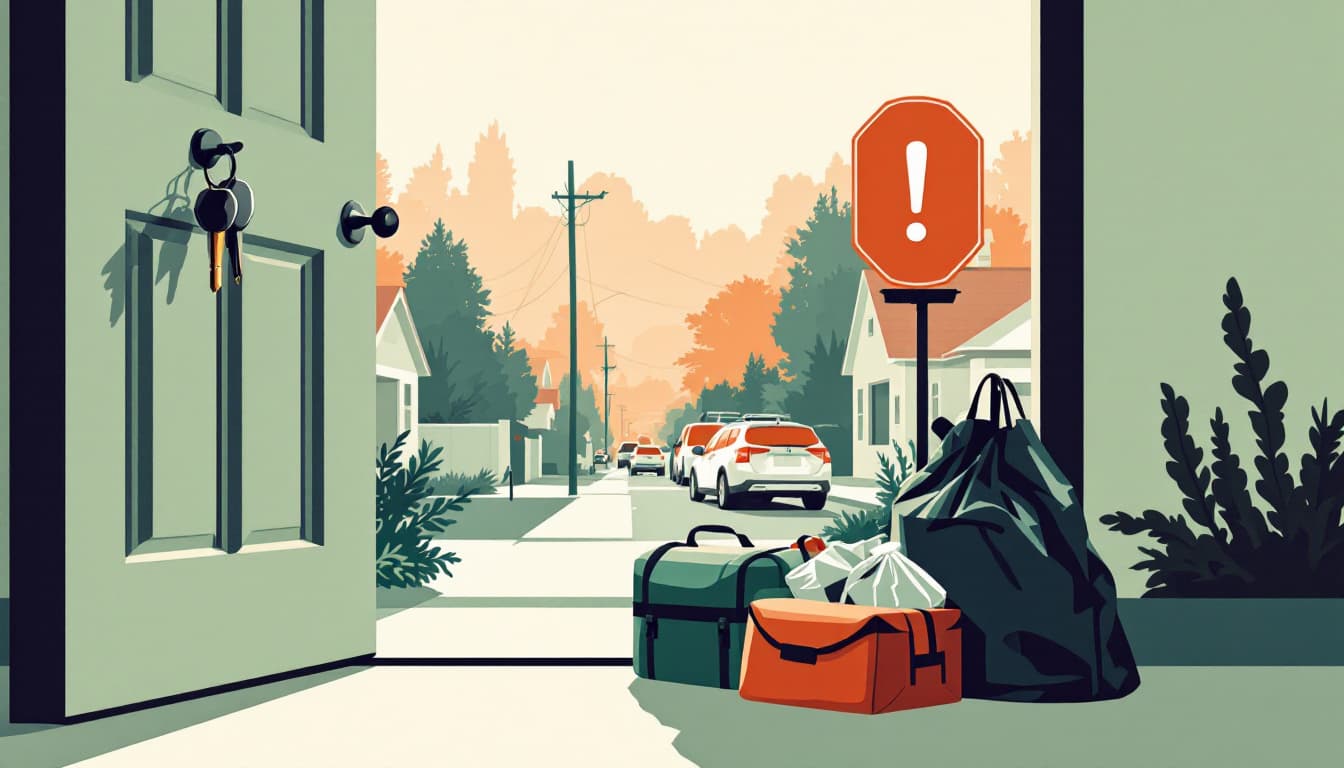
Oregon uses a three-level evacuation system: Level 1 (Be Ready), Level 2 (Be Set), Level 3 (Go Now). Many households in Central Oregon spend July in Level 1 territory without ever reviewing what that actually requires of them. Unified command on a named fire nearby is a reasonable prompt to do that review.
The Brewer and Box Spring fires are burning in Central Oregon's high desert and timber transition zone — terrain where fire can move faster than most people expect and where afternoon winds are predictably problematic through September.
What we'd actually do
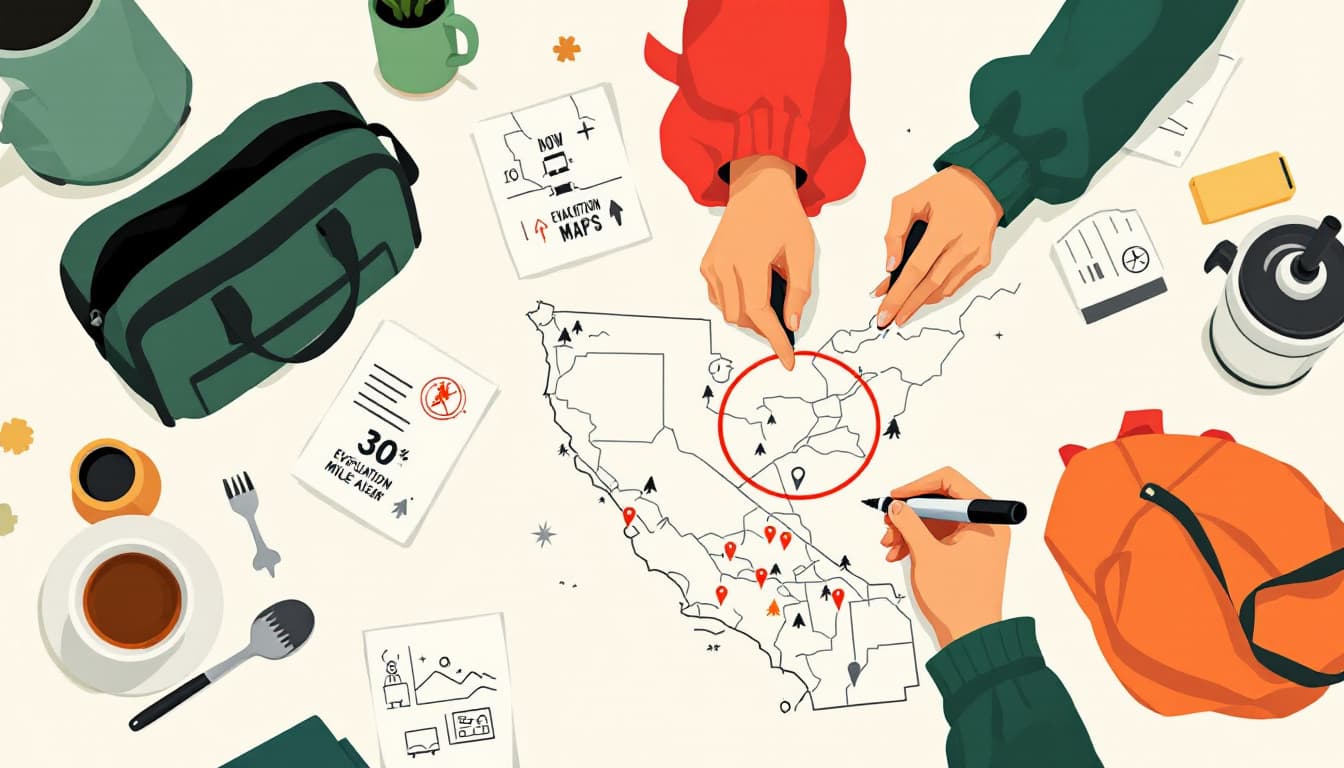
Check your county's current evacuation zone status today, not when you smell smoke. Lane, Deschutes, Klamath, and Lake counties all publish interactive evacuation maps. Oregon's statewide Emergency Alert System also allows zip-code-level signup at Oregon.gov/OEM. If you haven't signed up for your county's emergency alerts, you are depending on neighbors to knock on your door.
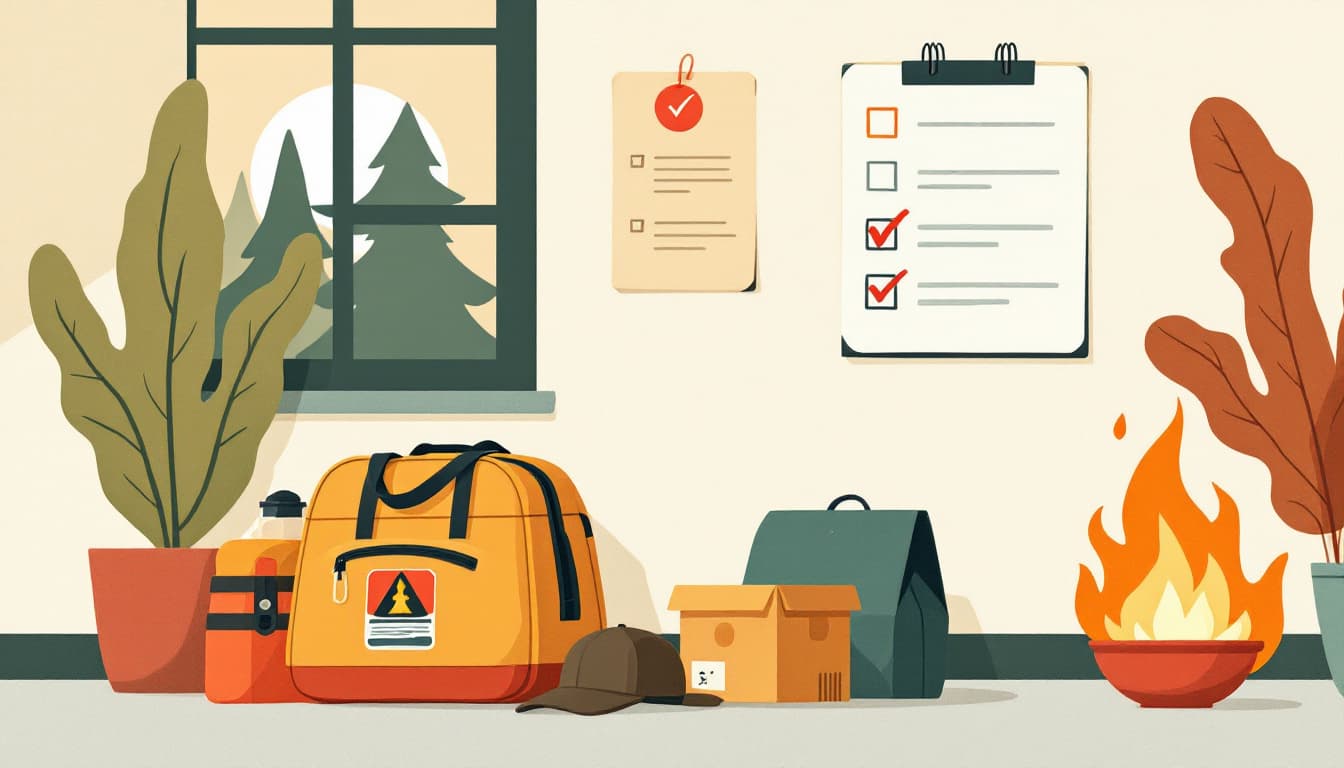
Walk your go-bag and verify it has what July specifically demands. A bag packed in February often has a fleece and no N95 masks. Central Oregon wildfire smoke routinely pushes AQI into the "unhealthy" or "very unhealthy" range for days at a stretch. Pack at least four N95 respirators per person. Add a paper copy of your evacuation route — not a screenshot, a printed page — because cell towers go down or get congested during evacuations.
Identify your two exit routes from your neighborhood now, before you need them. Many rural Central Oregon roads have a single paved egress. Know your alternate: a gravel forest road, a neighboring property easement, a different highway. Check with your county road department or Google Maps satellite view if you're unsure. Do this in daylight with time to spare.
Pre-position one tank of gas in your car. During an active Level 3 evacuation, gas stations in small Central Oregon towns run dry within hours. Deschutes County saw this pattern during the 2020 Labor Day fires, which produced some of the worst air quality readings ever recorded in the Pacific Northwest. Keep your tank above half from now through October.
Know where your animals go. Oregon's large-animal evacuation coordination varies significantly by county. Deschutes County has a dedicated large animal evacuation program. If you have horses, livestock, or multiple pets, identify a trailer, a willing neighbor, or a county fairgrounds contact before you need one. This is the piece most households skip and most regret.
The bigger picture
Oregon's fire seasons have been trending longer and more complex for over a decade, and the July-through-September window is no longer a reliable outer boundary. The Brewer and Box Spring fires are a mid-July reminder that the season is already here.
Unified command on a Central Oregon fire does not mean your neighborhood is in danger. It means the state has decided the fire requires its most serious coordination structure. The appropriate household response is calm, methodical preparation — not scrolling fire maps at 2 a.m. or buying six months of freeze-dried food.
Durable households are ones that have already done the boring work: alerts set up, bags checked, routes memorized, tank full. That's the whole list. It fits in an afternoon.