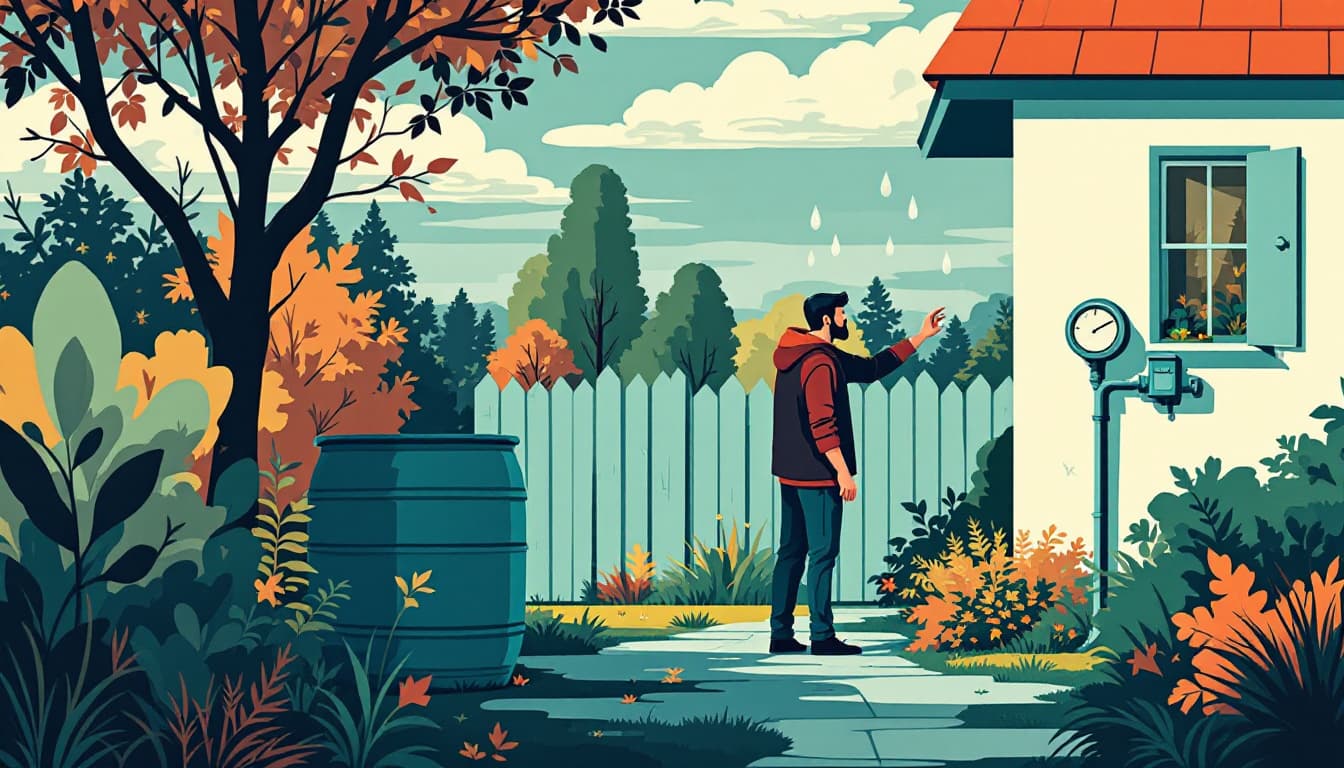
A report this week from KATU found that nearly 90 percent of Oregon is currently experiencing drought conditions at the start of the new rain year — the annual reset that begins October 1 and marks the point when forecasters expect autumn precipitation to begin erasing the moisture deficits built up over summer. That so much of the state remains dry entering this window is a significant departure from historical norms.
Oregon's drought footprint spans a broad geographic range. The U.S. Drought Monitor, maintained through a partnership between the National Drought Mitigation Center, NOAA, and the USDA, categorizes drought across five tiers from D0 (abnormally dry) through D4 (exceptional drought). Large portions of eastern Oregon — including the high desert regions around Harney, Lake, and Malheur counties — along with parts of the Willamette Valley and the southern Oregon coast have remained stubbornly dry through what was a warmer-than-average summer.
The Oregon Water Resources Department (OWRD) tracks streamflow conditions across the state's major basins, including the Deschutes, Klamath, Umpqua, and Rogue river systems. Entering drought at the top of the rain year places additional pressure on reservoirs and snowpack forecasts; the Cascades and Siskiyous serve as Oregon's primary natural water storage, and if early-season precipitation falls short, that deficit compounds through the following spring and summer.
The state's electric grid and airshed also carry residual risk into autumn under these conditions. Oregon's largest investor-owned utility, Portland General Electric, and public utility districts throughout central and eastern Oregon have flagged that extended dry periods raise fire risk and can affect hydropower generation at projects on the Columbia and its tributaries — generation that normally supplies a substantial portion of the Pacific Northwest's electricity. Oregon Department of Environmental Quality (DEQ) wildfire smoke advisories have already stretched later into the calendar year in recent seasons, a trend consistent with persistent landscape dryness. Households that rely on private wells in drought-affected rural counties should be aware that the Oregon Health Authority tracks well-yield complaints through county environmental health programs, and those records often spike when water tables drop following a dry summer with no early-season recharge. The SurvivorFilter PRO water filtration system has appeared in our reviews of portable filtration options for households navigating degraded water quality, though the underlying infrastructure question here is one of quantity, not filtration alone.
OWRD and the Oregon Department of Agriculture have both issued drought declarations for portions of the state in recent months, unlocking coordination with federal agencies including the USDA Farm Service Agency, which administers emergency loan programs for agricultural producers. Whether those declarations expand or are lifted will depend heavily on precipitation totals through November and December — the months that historically deliver the bulk of Oregon's western-slope rainfall and the early snowpack accumulation that feeds river systems through the following dry season.