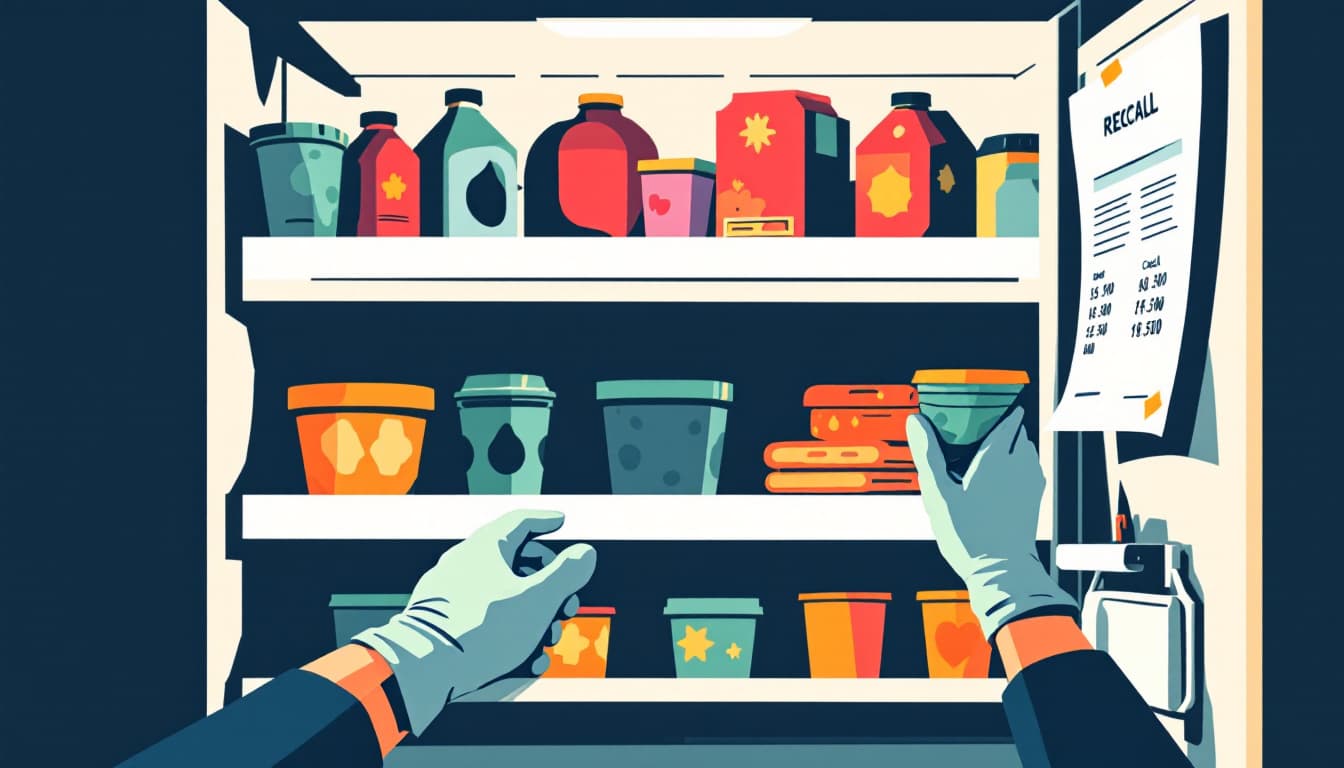
A report this week from OregonLive.com noted that ice cream products sold in Oregon and 16 other states are being recalled because of potential metal contamination. Metal fragments in food are not a headline you can safely scroll past — unlike a mold or spoilage issue, a hard foreign object in a frozen dessert poses a real choking and laceration risk, particularly for children.
What's actually happening
The recall covers specific lot codes and UPC numbers. That detail matters more than the brand name, because most recalls are narrowly scoped: one production run, one facility, one short window of dates. The risk is real but bounded. What spreads it beyond the factory floor is distribution — Oregon's grocery supply chain pulls from regional distribution centers that serve the entire Pacific Northwest, so when a recall hits 17 states, it almost certainly moved through facilities in or near the Willamette Valley before landing in your local Fred Meyer, Safeway, or WinCo.
The FDA and USDA maintain searchable recall databases. The FDA's recall page (fda.gov/safety/recalls-market-withdrawals-safety-alerts) is updated within days of an announcement and lists exact product names, UPC codes, lot numbers, and best-by dates. Oregon's Department of Agriculture also posts food safety alerts at oda.oregon.gov. These are your two most reliable sources — not social media, not word of mouth.
Metal contamination recalls typically originate from equipment wear or maintenance failures in processing equipment: blades, conveyor components, or filler parts. They are more common than most households realize. The USDA's Food Safety and Inspection Service processes dozens of recalls annually. Most never make regional news.
What we'd actually do
Check your freezer against the specific lot codes before throwing anything away. It sounds obvious, but many households either toss the entire brand out of anxiety or ignore the recall entirely because they assume "it's probably fine." Neither is the right move. Pull out the product, photograph the UPC and lot code, and compare against the FDA or ODA recall listing directly.
Oregon households that buy in bulk — from Costco in Tigard or Wilsonville, or from cash-and-carry stores — should check any frozen product purchased in the last 60 to 90 days, not just the specific item named. If one product line from a manufacturer is recalled, adjacent lines from the same facility sometimes follow in a secondary announcement.
Set up FDA recall alerts. The FDA offers an email subscription at fda.gov/safety/recalls that sends notices directly to your inbox. This takes about two minutes to configure and removes the dependency on local news cycles to catch future recalls. Oregon households near rural areas — the coast, the southern valleys, eastern Oregon — often get this news later than the Portland metro. A direct subscription closes that gap.
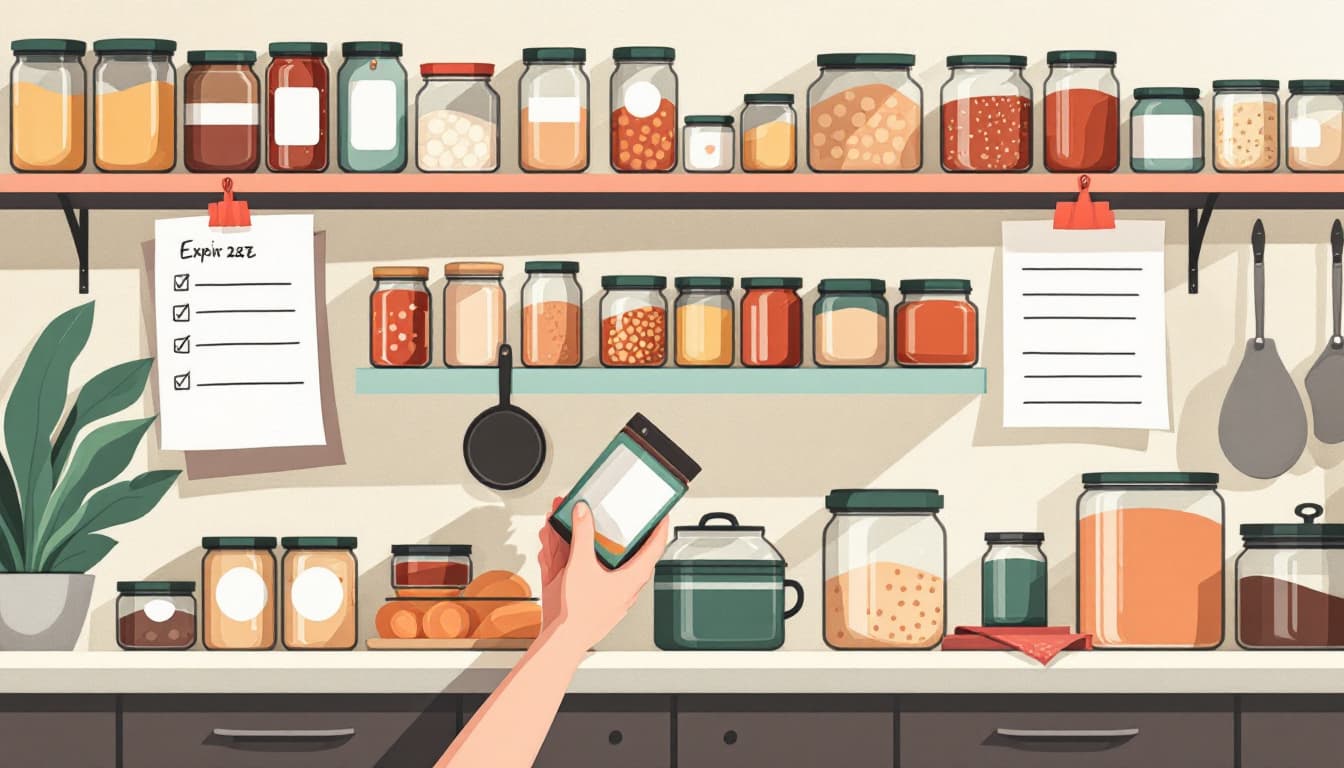
Treat the recall as a prompt to audit your frozen food rotation. How old is the oldest item in your freezer? Most households have items pushed to the back that are 12 to 18 months old. Freezer burn aside, older products are more likely to fall into recall windows that were never acted on. A 20-minute freezer audit once or twice a year is a reasonable household habit, not a prepper extreme.
Know your return and reimbursement process. Oregon retailers are generally required to accept recalled products for a full refund without a receipt when a formal recall is in effect. Don't assume you need the original packaging or proof of purchase. Call the retailer's customer service line before driving in — not all store-level staff are immediately briefed when a recall breaks.
The bigger picture
A single ice cream recall is not a sign that the food system is collapsing. It is a sign that the food system is large, mechanized, and occasionally fallible — which is exactly what we already knew. The recall system exists because contamination happens, and it mostly works: products get pulled, households are notified, injuries are rare.
What preparedness actually asks of you here is not stockpiling or panic. It asks you to know where to look, to spend ten minutes checking when something comes up, and to have a basic habit of rotating and auditing what's already in your home. That's durable household management. It applies to ice cream recalls, to power outages, to supply disruptions — to all of it.
Oregon has the information infrastructure to keep households informed. The gap is almost always in whether households are plugged into it.