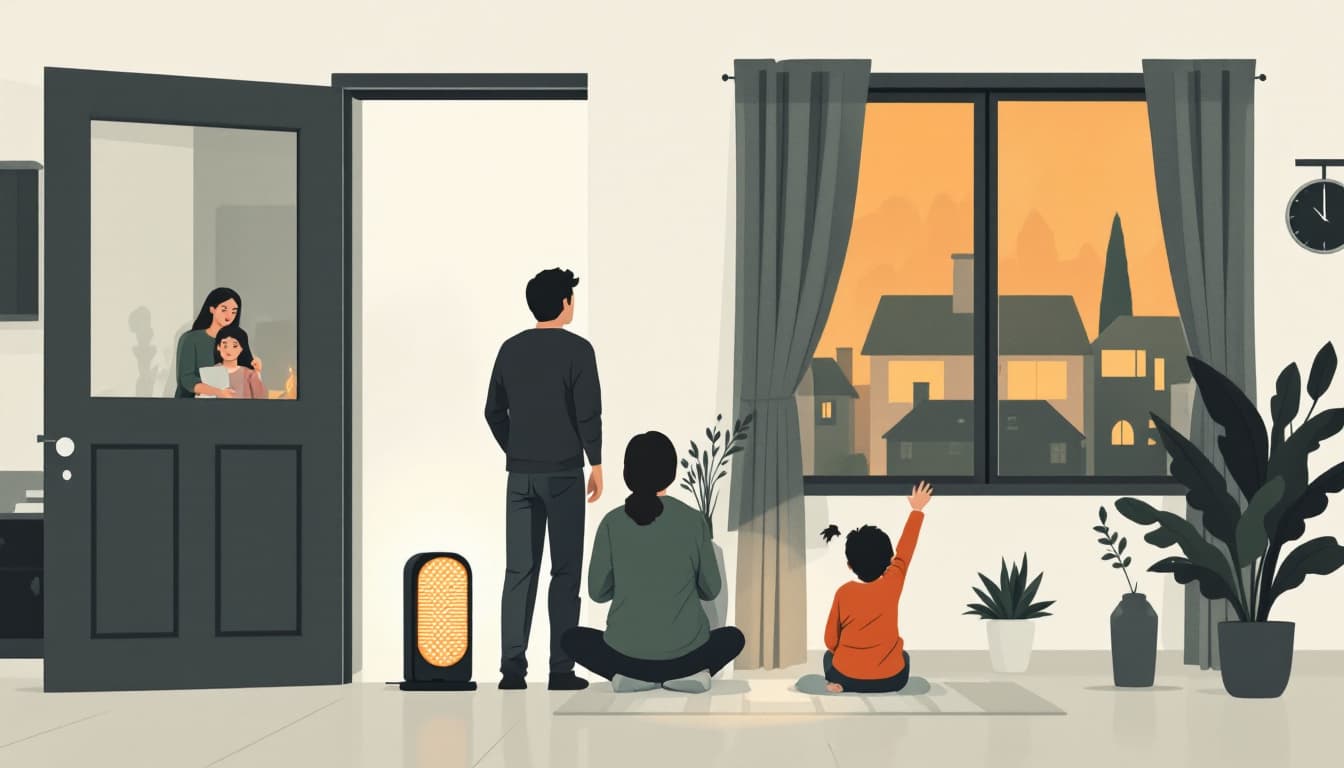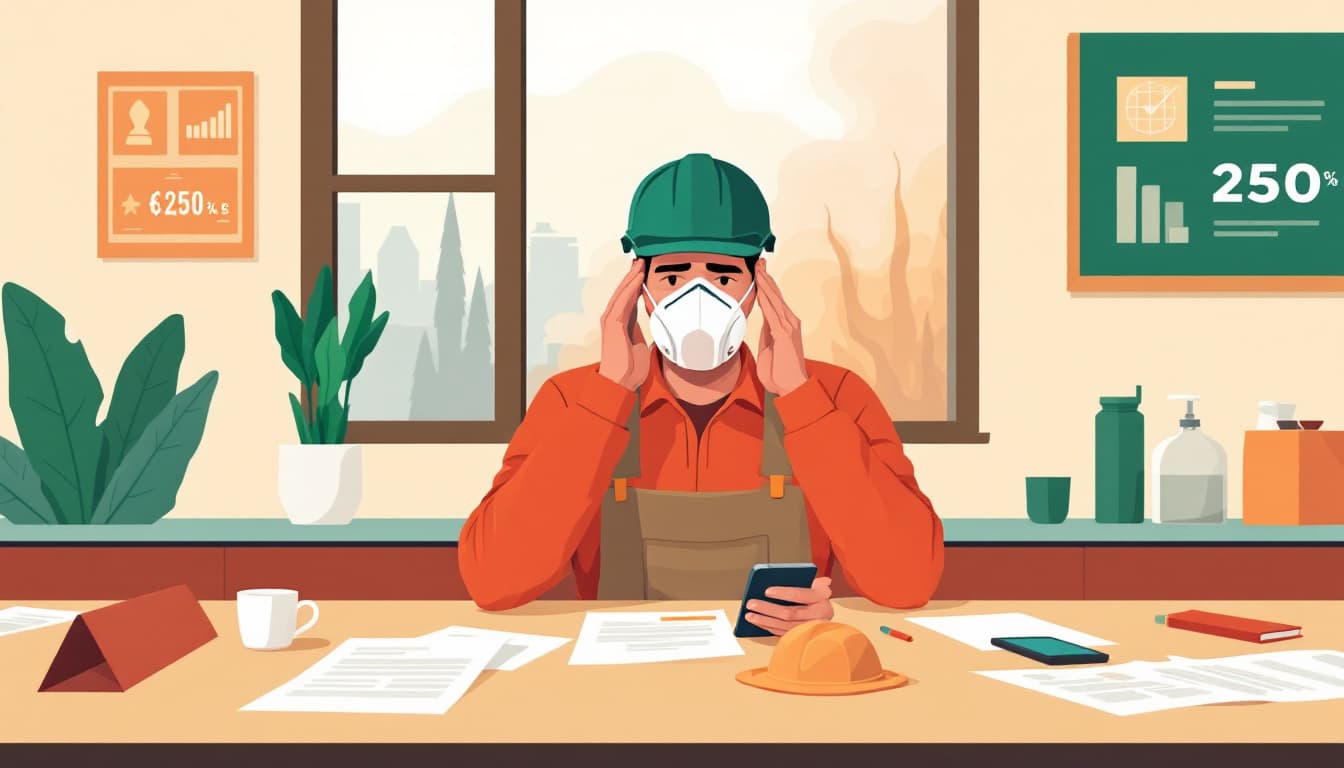
A report this week from Statesman Journal documents what Oregonians in the southern and central parts of the state are already seeing out their windows: wildfires closing recreation areas and pushing smoke across the landscape at levels that make spending time outdoors a real health calculation, not a preference.
Trail closures are the visible part. The less visible part is what happens inside the homes of families who didn't prepare for days or weeks of degraded air quality — and who now have to improvise.
What's actually changing this fire season
Oregon's fire season has been trending earlier and longer over the past decade, and the Oregon Department of Forestry has flagged elevated fire risk across much of the state this summer. What makes this year's closures particularly relevant for households isn't the fire perimeters themselves — it's the smoke columns that don't respect city limits.
Smoke from fires burning near the Cascades or in the Rogue River corridor can push unhealthy AQI readings into Eugene, Salem, and even Portland within hours. The EPA's AirNow monitor network confirms this pattern repeatedly: you don't need to live near a fire to be affected by one. The Oregon Health Authority's guidance during smoke events recommends staying indoors with windows closed, running air filtration, and avoiding strenuous outdoor activity — advice that sounds simple until you realize most households aren't set up to execute it for three or four consecutive days.
Recreation closures also mean families who planned outdoor time this week are suddenly spending unplanned time indoors. With kids home and routines disrupted, the household stress load goes up. That's not catastrophizing; it's logistics.
What we'd actually do
Check ODF and AirNow daily, not just when you smell smoke. The Oregon Department of Forestry updates fire restriction maps at oregon.gov/ODF, and AirNow's map gives real-time AQI by ZIP code. Smoke can register at hazardous levels before it's perceptible outside. Build a habit of checking both before planning any outdoor activity, especially with children or people with respiratory conditions.
Relying on smell alone as a smoke detector fails when air quality degrades gradually. A household where one person checks AirNow in the morning can make better decisions — whether to leave windows closed, run the car's recirculate mode, or keep elderly relatives indoors — before anyone's eyes start burning.
Own at least two HEPA-rated air purifiers and know which rooms you'll use them in. A purifier running in a bedroom and one in the main living space creates a meaningful refuge during multi-day smoke events. HEPA units rated for the square footage of your room (check the CADR rating on the box) run $60–$150 for reliable models. This is not a luxury item for Oregon households at this point.
During the 2020 Labor Day fires, smoke across the Willamette Valley hit AQI levels above 500 in some locations — far past the "hazardous" threshold. Families who had purifiers running in sealed rooms fared measurably better. Don't wait for the next extreme event to find out whether your unit works and whether you have a clean filter installed.
Stock a two-week supply of any respiratory medications. Inhalers, corticosteroids, antihistamines — anything a family member uses for asthma, allergies, or COPD. Pharmacies in fire-affected Oregon communities during smoke events have documented shortages of common inhalers. Call your provider now for a 30-day fill while supply is normal.
Smoke exposure exacerbates asthma and COPD significantly. During a declared smoke emergency, getting a new prescription filled while roads may be congested and staff stretched thin is a solvable problem — but only if you solve it in advance.
Pre-seal your home's weak points before the next wave arrives. Weatherstripping under exterior doors, foam tape around drafty window frames, and a rolled towel at the base of a garage-to-house door all reduce smoke infiltration meaningfully. Oregon's older housing stock, especially in towns like Grants Pass, Medford, and Klamath Falls, tends to leak air at higher rates than newer construction. You don't need a professional energy audit — walk your home on a windy day and feel for airflow.
Have a clear "stay or go" framework, not just a packed bag. Oregon's fire-related evacuation system uses Level 1 (be ready), Level 2 (be set), and Level 3 (go now) designations from OEM and county emergency managers. Know your county's notification system — most use AlertWildfire and county emergency alert text systems that require registration. Many households in past Oregon evacuations failed to register and missed early warnings.
Trail closures are inconvenient. They're also a signal that the fire environment is active and that your household's resilience is being tested at a low-stakes level right now — smoke discomfort and canceled hikes — before it potentially gets tested at a higher one.
The goal isn't a bunker. It's a household that can stay healthy, make clear decisions, and maintain normal function through a week of bad air. Oregon gives families practice opportunities for this every summer now. Use this one.