A decade is a long time to wait for a language feature. This week, JVM Weekly published a detailed breakdown of Project Valhalla's arrival in JDK 28, marking the end of one of the Java ecosystem's longest-running engineering efforts. The short version: Java can now handle primitive-like value types in ways that dramatically reduce memory overhead and garbage collection pressure. For performance-sensitive workloads — financial systems, data pipelines, high-throughput APIs — this is a meaningful shift.
For a software engineer's household, that's not just a technical footnote.
What's actually changing
Project Valhalla doesn't make Java a different language. It makes Java a faster one, in specific contexts, without requiring application developers to rewrite everything. That's the point. The JVM does more of the heavy lifting.
What this means in practice: workloads that previously required C++, Rust, or Go for raw performance reasons now have a credible Java path. That expands Java's competitive footprint — and it also reshapes which engineers get called for which projects.
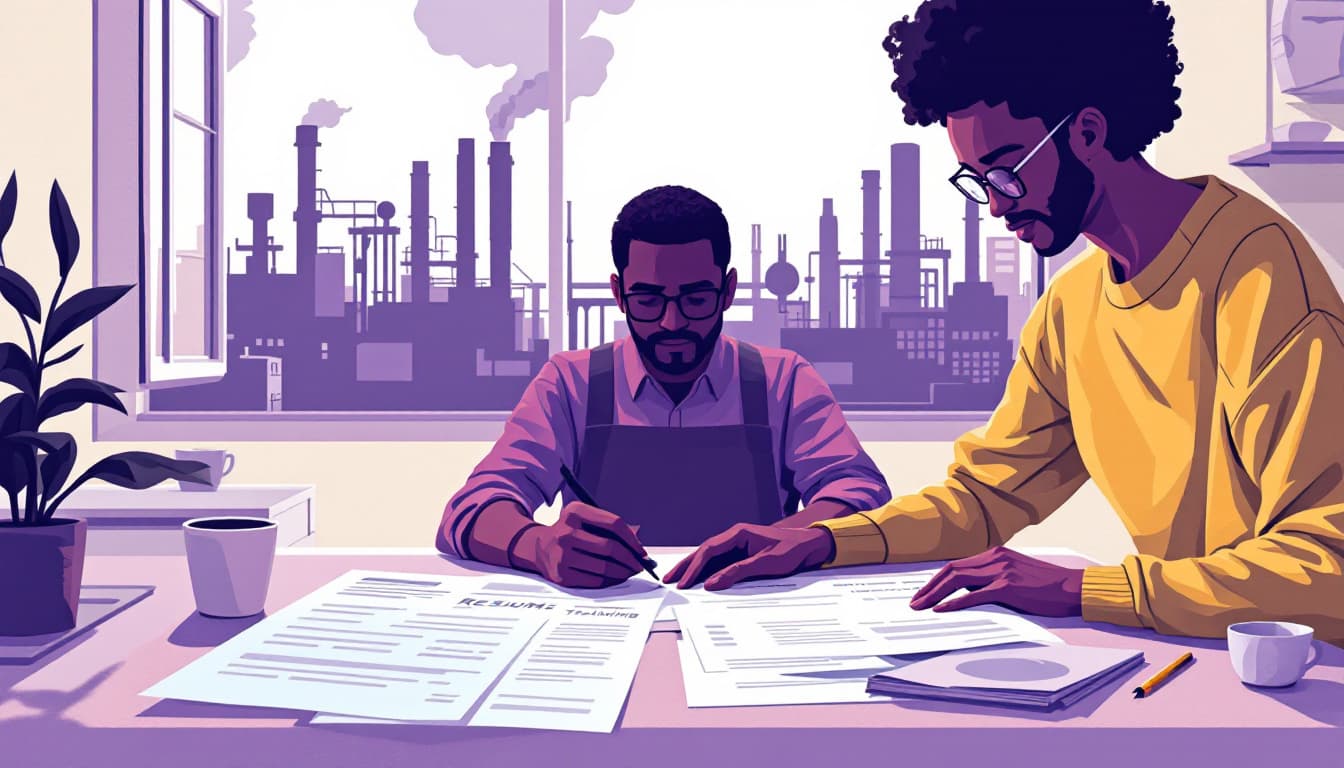
The broader pattern here matters more than the feature itself. Over the past three years, the software labor market has gone through a visible correction. Hiring that was historically concentrated in large tech companies tightened sharply. Recent BLS data shows software employment growth has slowed from its pandemic-era pace. At the same time, AI-assisted coding tools have compressed the entry-level market in particular. Junior roles that once served as on-ramps are being replaced or delayed.
Into that environment, a major platform upgrade lands. Platform upgrades historically do two things simultaneously: they create short-term demand for engineers who understand the new capabilities, and they accelerate the deprecation of engineers whose value was tied to working around the old limitations.
If part of your household's income depends on Java consulting, Java-adjacent architecture work, or performance engineering in JVM-based systems, Valhalla is worth understanding — not because it threatens your job directly, but because the engineers who understand it first are the ones who get called first when companies start migrating.
What we'd actually do
Audit which skills in your household are platform-dependent. Sit down and write out, plainly, what the income-earning member of your household actually sells. Is it language-specific knowledge, or is it systems thinking and debugging instinct that happens to be expressed in Java? The more generic the underlying skill, the more resilient it is to platform shifts. The more tied to a specific version or toolchain, the more exposure you have.
This isn't alarmism — it's inventory. A household that knows exactly what its income depends on can make smarter decisions about where to spend learning time and where to build savings buffers.
Treat platform upgrade cycles as a 12-to-18 month window, not an emergency. Major JDK features take time to propagate through enterprise codebases. Companies adopt JDK 28 on a delay; their migration projects follow after that. The urgency is low, but the lead time to become genuinely fluent in a new capability is also longer than most engineers expect. Starting to read now is appropriate. Panicking is not.
Build a three-month expense buffer if your household relies on contract or freelance tech income. This is less about Valhalla specifically and more about the general shape of the current labor market. Contract and consulting work is more volatile than it was four years ago. A three-month buffer — not six, not twelve, just three — is the single most stabilizing financial move available to a household with variable tech income. Recent Federal Reserve survey data suggests fewer than half of American households could cover a $400 emergency without borrowing; a three-month buffer puts you in a categorically different position than most.
If you're not the technical earner in your household, ask one specific question. Not "is your job safe?" — that question produces defensiveness, not information. Ask: "What would it take for you to stay current in your field over the next two years, and what does that cost?" Time, money, and attention are finite. Knowing the answer helps the household plan for it rather than absorb it as a surprise.
The bigger picture
Technology platforms don't stay still, and the households built around them have to be built for movement. Project Valhalla isn't a crisis. It's a signal — one of many this year — that the tools are changing faster than most career plans account for.
Durability, for a middle-class household with a tech income, looks like this: skills that transfer across versions, savings that absorb transitions, and enough awareness to see the upgrade cycle coming before it arrives at your front door.
That's not pessimism. That's maintenance.