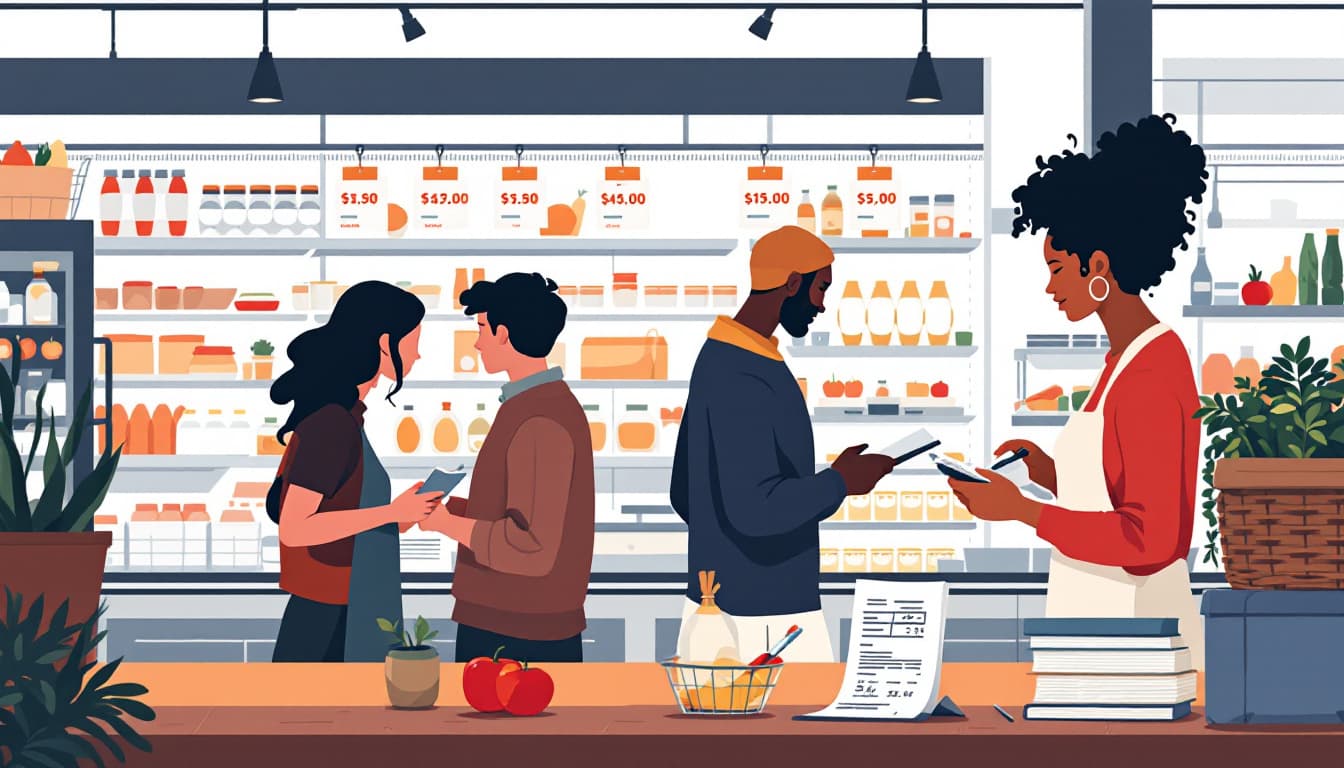
A fair pricing policy protecting grocery store customers was highlighted this week by seattlespectator.com, drawing attention to regulations that govern how retailers must align shelf-tag prices with what shoppers are actually charged at checkout. The coverage comes amid ongoing national attention to grocery affordability, with the Bureau of Labor Statistics recording food-at-home prices roughly 23% higher in 2026 than they were five years prior.
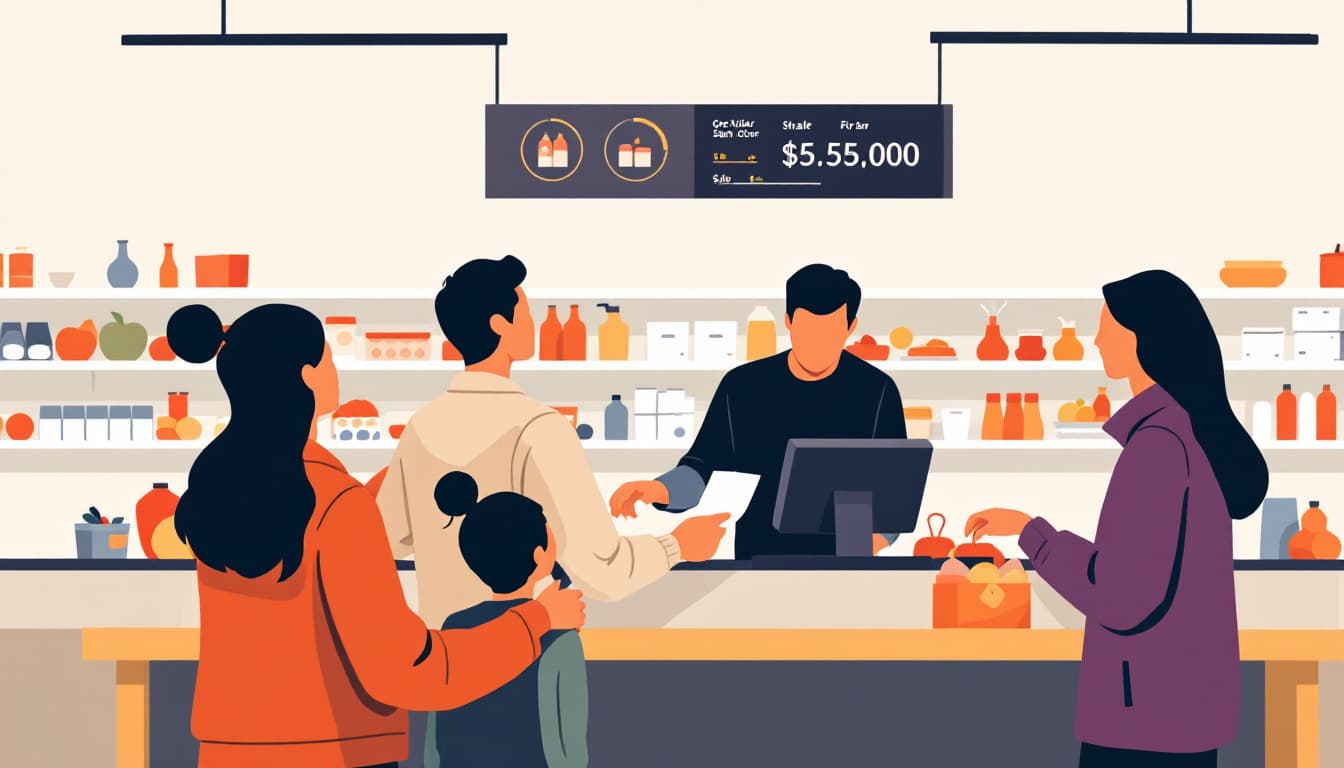
The policy in question falls under Washington State's existing scanner accuracy laws, which require that the price displayed on a shelf or product tag match the price rung up at the point of sale. Retailers found in violation can face per-item fines, and consumers are in some cases entitled to receive the item free or at a discount when an overcharge is caught. Washington's Department of Agriculture has jurisdiction over weights and measures compliance, and periodic audits of retail scanners are part of that enforcement framework. The seattlespectator.com report signals renewed local attention to whether grocery chains are consistently meeting that standard, particularly as dynamic and digital shelf-labeling technology becomes more common in larger stores.
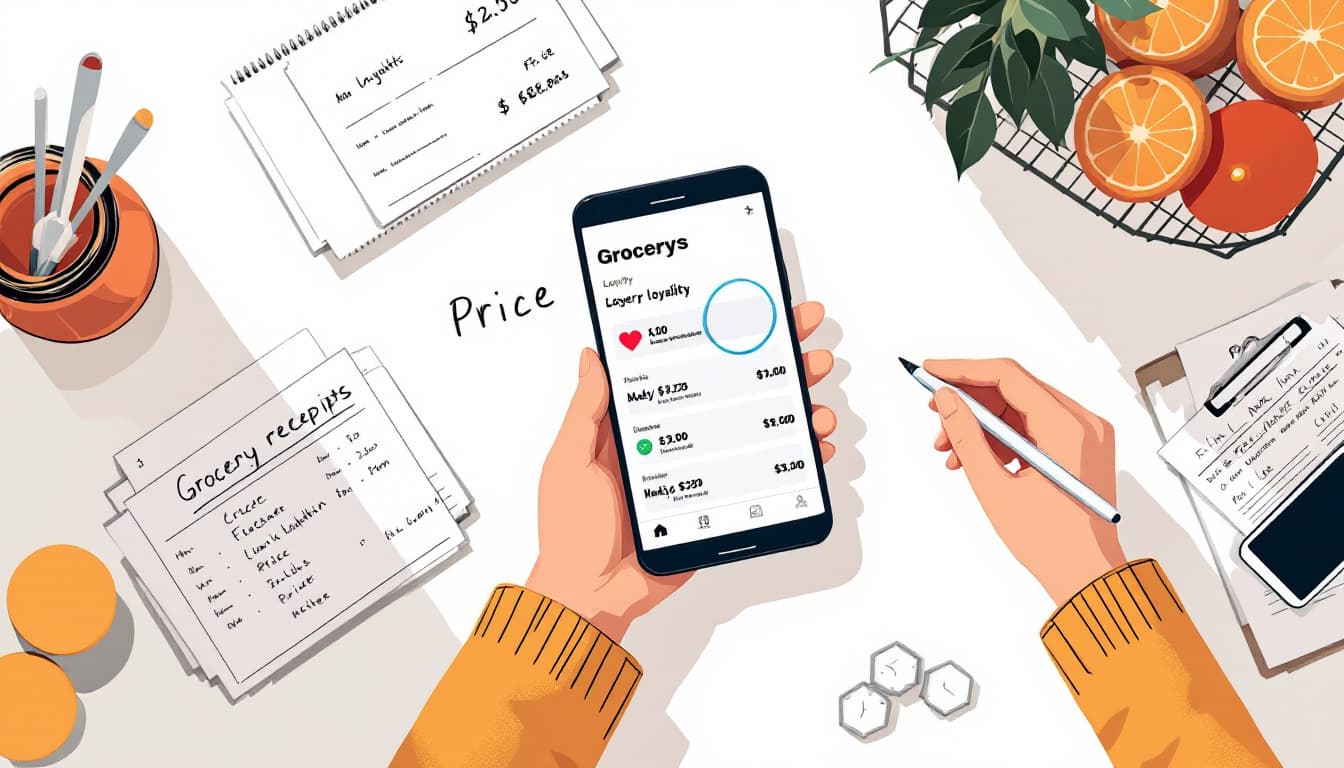
For people who maintain deeper pantry stores or purchase in bulk — common among those tracking long-term food budgets closely — scanner accuracy has an outsized effect. A household buying 30 or 40 line items in a single large shopping run faces a proportionally higher statistical exposure to pricing errors than the average basket, meaning a single store visit can absorb several dollars in uncorrected overcharges before the receipt is ever reviewed. Research published by the FMI – The Food Industry Association has found that scanner accuracy rates at U.S. grocery stores hover around 98%, which sounds high until it is applied against a 50-item cart — a figure that implies a meaningful chance of at least one pricing discrepancy per trip in the aggregate.