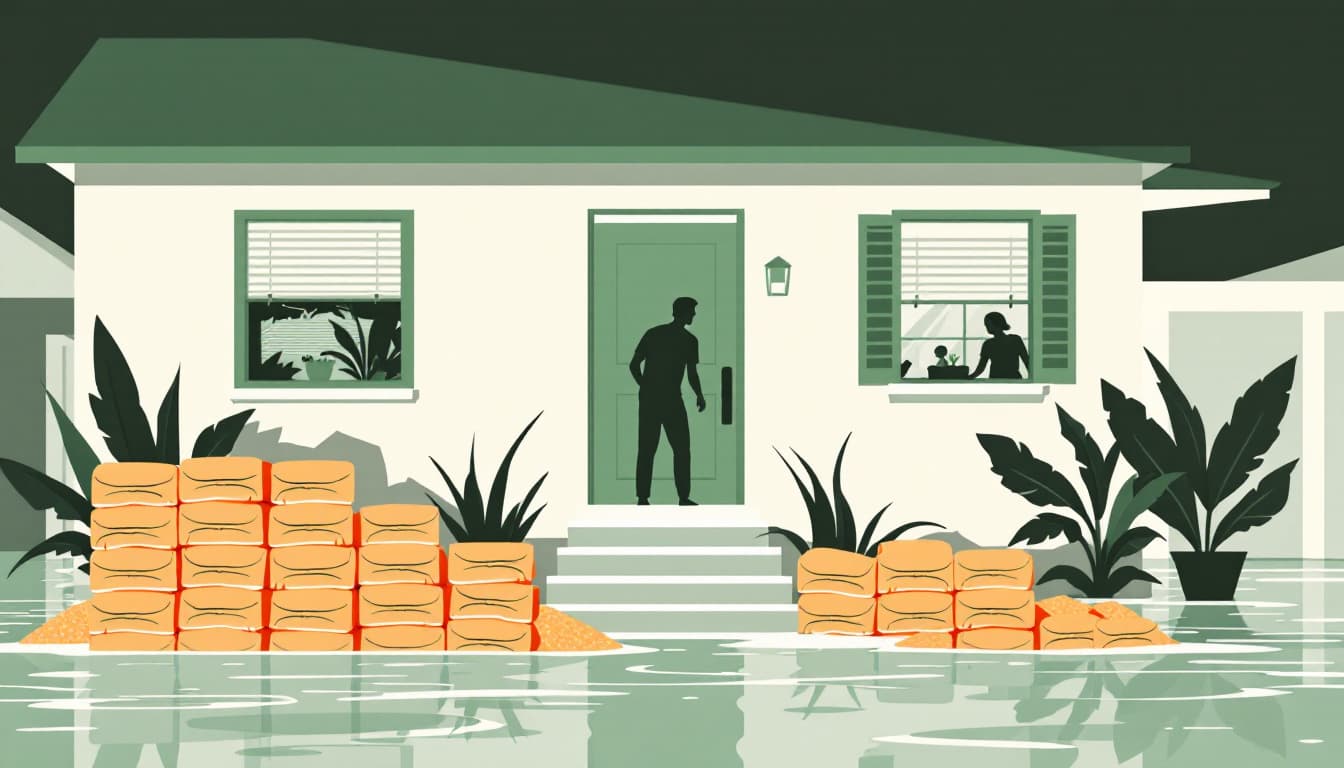
A report this week from WPBF, the West Palm Beach ABC affiliate, confirmed that a flood watch has been placed in effect for South Florida as heavy rains continue to pound the region. The watch covers an area encompassing multiple counties in South Florida's densely populated coastal corridor, where ongoing precipitation has strained local drainage infrastructure and raised water levels across the landscape.
South Florida's geography makes it particularly vulnerable to flooding events of this kind. The region sits atop the Biscayne Aquifer and is crisscrossed by the managed water control structures of the South Florida Water Management District (SFWMD), which oversees more than 2,800 miles of canals and hundreds of water control structures designed to balance flood protection with water supply needs. During periods of sustained heavy rainfall, these systems are taxed simultaneously by the need to discharge water rapidly while also protecting freshwater reserves from saltwater intrusion — a tension that becomes acute in the wet season and during late-season weather events in November.
The National Weather Service office in Miami issues flood watches for the area when conditions are expected to produce rainfall that exceeds the capacity of local drainage systems. Flood watches, distinct from flood warnings, indicate that conditions are favorable for flooding but that it has not yet been confirmed to be occurring at specific locations. WPBF reported that the rainfall was ongoing at the time of publication, with no immediate end in the forecast.
South Florida's flatness — much of Miami-Dade and Broward counties sit only a few feet above sea level — means that even moderate rainfall accumulations can overwhelm street-level drainage, particularly in older urban areas where stormwater infrastructure predates modern capacity standards. The SFWMD and county drainage agencies have invested heavily in pump upgrades and canal management protocols in recent years, but heavy multi-day rain events continue to test those systems.
For residents who track infrastructure resilience, South Florida's flood events carry implications beyond standing water on roadways. Extended flooding can compromise the buried utility conduits and substations that serve Florida Power & Light's distribution grid across Miami-Dade, Broward, and Palm Beach counties. The region's water treatment plants — several of which sit in low-elevation zones — have faced operational pressure during previous major flood events, and the SFWMD's real-time canal monitoring data, publicly available through its DBHYDRO database, provides one of the clearest windows into how the regional water management system is responding to any given rain event. Readers who maintain emergency water storage as part of their household baseline will recognize that municipal supply disruptions during flood-related utility events are a recurring pattern in South Florida's history.