The Cumberland River gauge at Nashville dropped noticeably this spring, and the pastures east of Murfreesboro have been crunching underfoot since April. A report this week from WSMV noted that recent rainfall brought some relief to Middle Tennessee's drought conditions — but stopped well short of declaring the problem solved. That framing matters. A good week of rain does not unwind months of soil moisture deficit, and it does not refill private wells or farm ponds on a timeline that matches the news cycle.
What's actually changing
The U.S. Drought Monitor, which updates every Thursday using NOAA data, categorizes drought by intensity from D0 (abnormally dry) through D4 (exceptional). Much of Middle Tennessee spent several weeks this spring in D1 or D2 territory — moderate to severe. A single rainfall event typically softens the top layer of classification, but recovery at the D2 level or below usually requires weeks of above-normal precipitation. The soil has to recharge before groundwater does, and groundwater has to recharge before private wells stabilize.
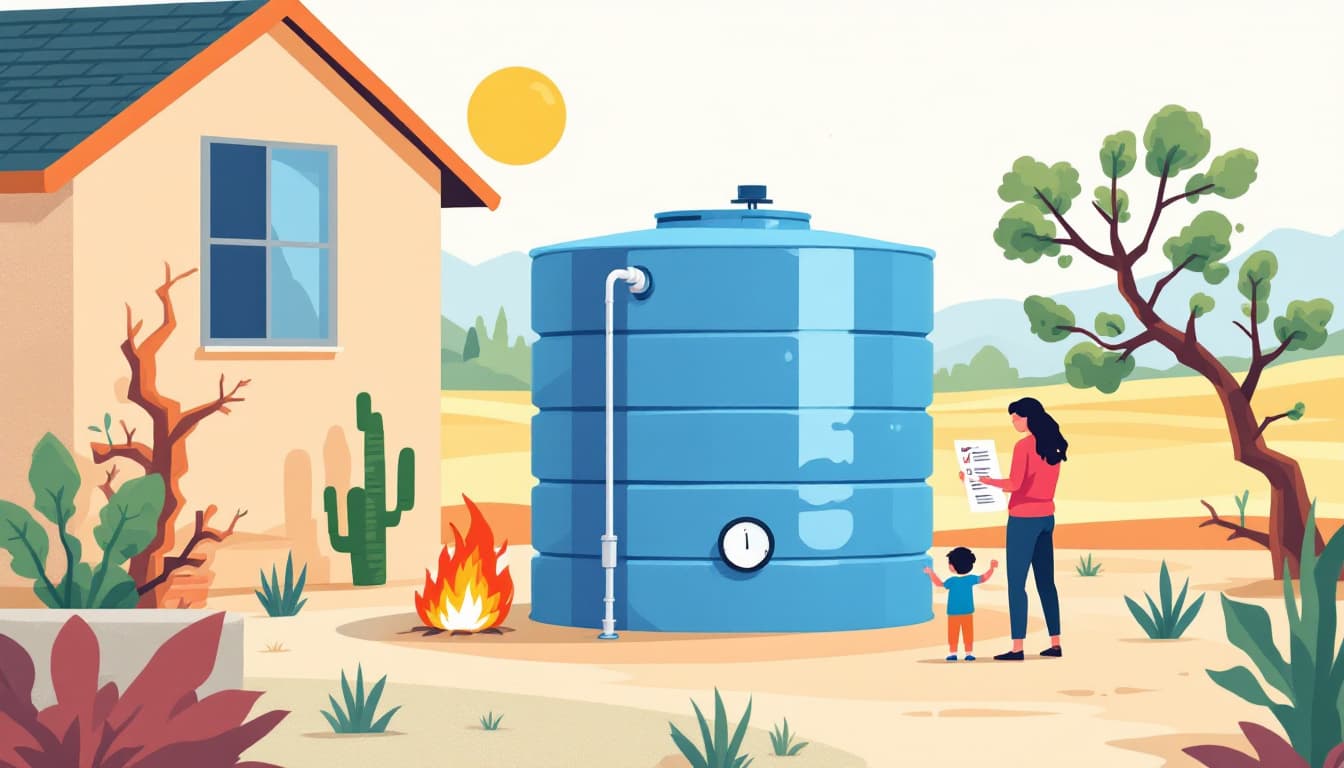
Tennessee households on municipal water systems — Nashville Water, Murfreesboro Water Resources, most incorporated towns — are largely insulated from short-term supply disruption. Where this gets real is for the roughly one in six Tennessee households that rely on a private well, and for anyone whose property depends on a farm pond or cistern. Robertson County, Rutherford County, and the rural margins of Williamson County all have meaningful private-well populations. If your well depth is under 100 feet, you are more sensitive to surface drought conditions than your neighbors on city water.
There's a secondary issue: even municipal customers face indirect pressure during drought. Utilities that draw from surface water — rivers, reservoirs — can see intake quality degrade as flow drops and temperatures rise. Treatment gets more complex. That doesn't mean your tap water becomes unsafe, but it does mean the system is working harder.
What we'd actually do
Check your county's current drought status directly. Go to drought.gov, enter your county, and note the classification. Don't rely on general regional coverage — drought conditions in Giles County can differ meaningfully from those in Davidson County fifty miles north. Knowing your specific D-level tells you whether you're in watch or warning territory.
Tennessee Emergency Management Agency (TEMA) publishes drought-related guidance under its hazard mitigation materials. If your county has issued any voluntary or mandatory outdoor water restrictions, that information comes through your county's emergency management office or municipality website, not through weather apps.
If you're on a private well, this is the week to test your water. UT Extension — the University of Tennessee's county-based extension system — offers low-cost water testing through most county offices. Drought conditions concentrate naturally occurring minerals and can increase coliform bacteria risk as water tables drop and wells draw from shallower strata. A basic coliform and nitrate test runs under $30 at most UT Extension offices. It's not dramatic; it's routine maintenance that most well owners skip for years.
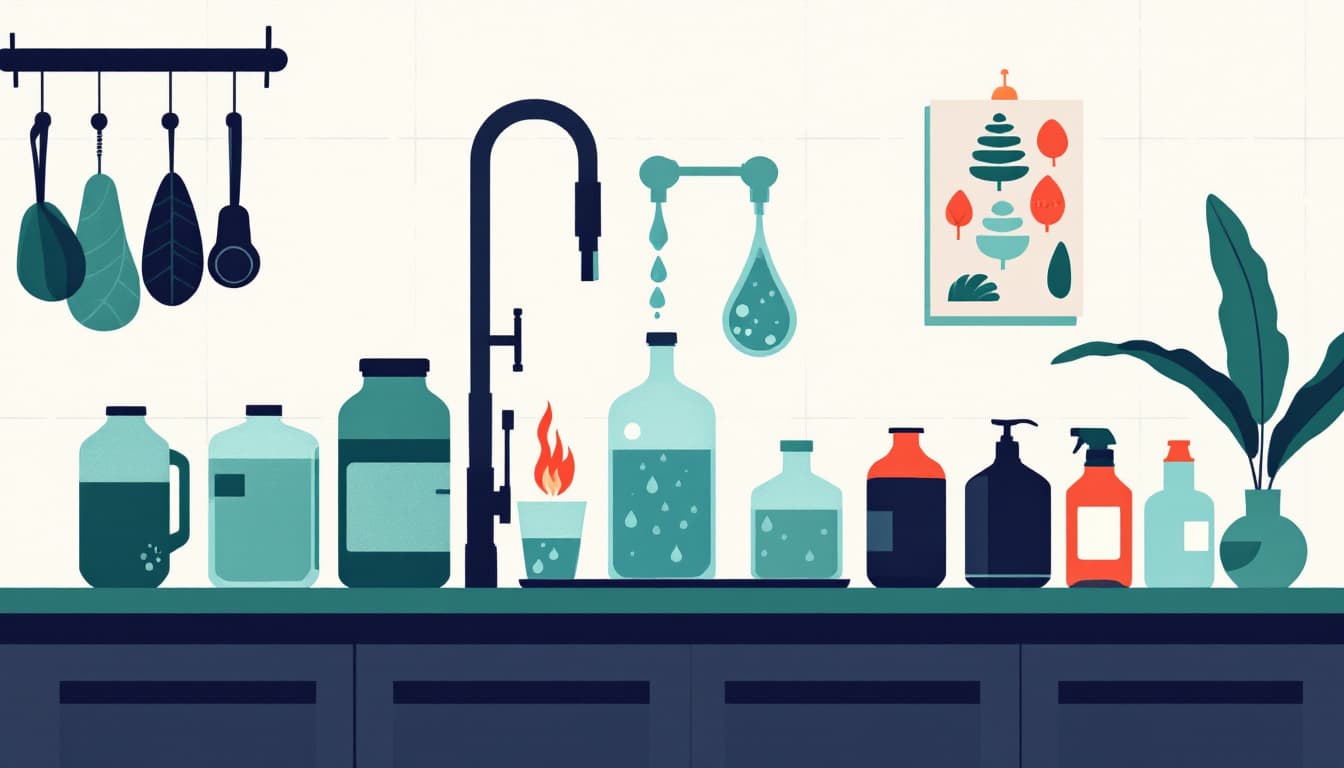
Store three days of drinking water now, not because drought will cut your tap, but because it probably won't — until one day it does. FEMA's baseline recommendation is one gallon per person per day. For a family of four, that's twelve gallons for a three-day supply. Two filled six-gallon Reliance Aqua-Tainer containers, rotated every six months, gets you there for under $40 and fits under most kitchen sinks. This is not drought-specific prep; it's the floor of any household resilience plan, and drought is a reasonable reminder to check whether you've built that floor.
Talk to your neighbors who farm. In Tennessee's rural counties, farmers and livestock operators read drought conditions more carefully than anyone else. If your neighbor is hauling water to cattle or drawing down a pond to keep animals alive, that's a ground-truth signal the Drought Monitor sometimes lags by a week or two. Informal networks are legitimate data.
The bigger picture
Drought in Middle Tennessee is not a once-in-a-generation crisis. The state has cycled through significant dry periods multiple times in the past two decades, and climate trends suggest the variance in precipitation timing — wet springs, dry early summers — is likely to continue. The goal isn't to panic-buy water storage or move to a wetter state. It's to know your household's actual water source, know its vulnerability, and take one or two low-cost steps that make you less dependent on a single system working perfectly.
A good rain week is worth celebrating. It's not worth stopping the conversation.