A report from Rutherford Source on July 3rd flagged what the National Weather Service confirmed: an Extreme Heat Warning for the region, with afternoon highs approaching 99°F and overnight lows holding in the low-to-mid 70s. That overnight figure is the one most households miss.
What's actually dangerous about this pattern
A high of 99°F is uncomfortable. A low of 73°F with clear skies is the part that kills.
The human body recovers from heat stress during cooler overnight hours. When nighttime temperatures stay elevated — the NWS calls this "no relief" — core body temperatures creep upward across consecutive days. By day three or four of a heat event like this one, even healthy adults in their 30s and 40s start showing measurable cognitive and physical impairment. For older residents, infants, and anyone on diuretics, beta-blockers, or antipsychotic medications, the risk escalates faster than most families expect.
Middle Tennessee's housing stock compounds the problem. A significant share of homes in Rutherford, Williamson, and surrounding counties were built before modern insulation standards tightened. Attics in those homes absorb heat through the day and radiate it back into living spaces from roughly 8 p.m. through 2 a.m. — exactly when residents assume it's safe to cut the AC.
There's a secondary concern that doesn't make the weather alert: grid load. TVA and local power distributors manage demand carefully during multi-day heat events, but prolonged simultaneous high demand across the Tennessee Valley has historically produced rolling voltage reductions in some service areas. That's not a prediction — it's a known pattern worth knowing.
What we'd actually do
Treat nighttime as the danger window, not a recovery window. Set your thermostat to hold temperature through the night, not just the afternoon. If your household normally dials back AC at 9 p.m. to save money, suspend that habit this week. The energy cost of maintaining 76°F overnight is far lower than an ER visit for heat exhaustion.
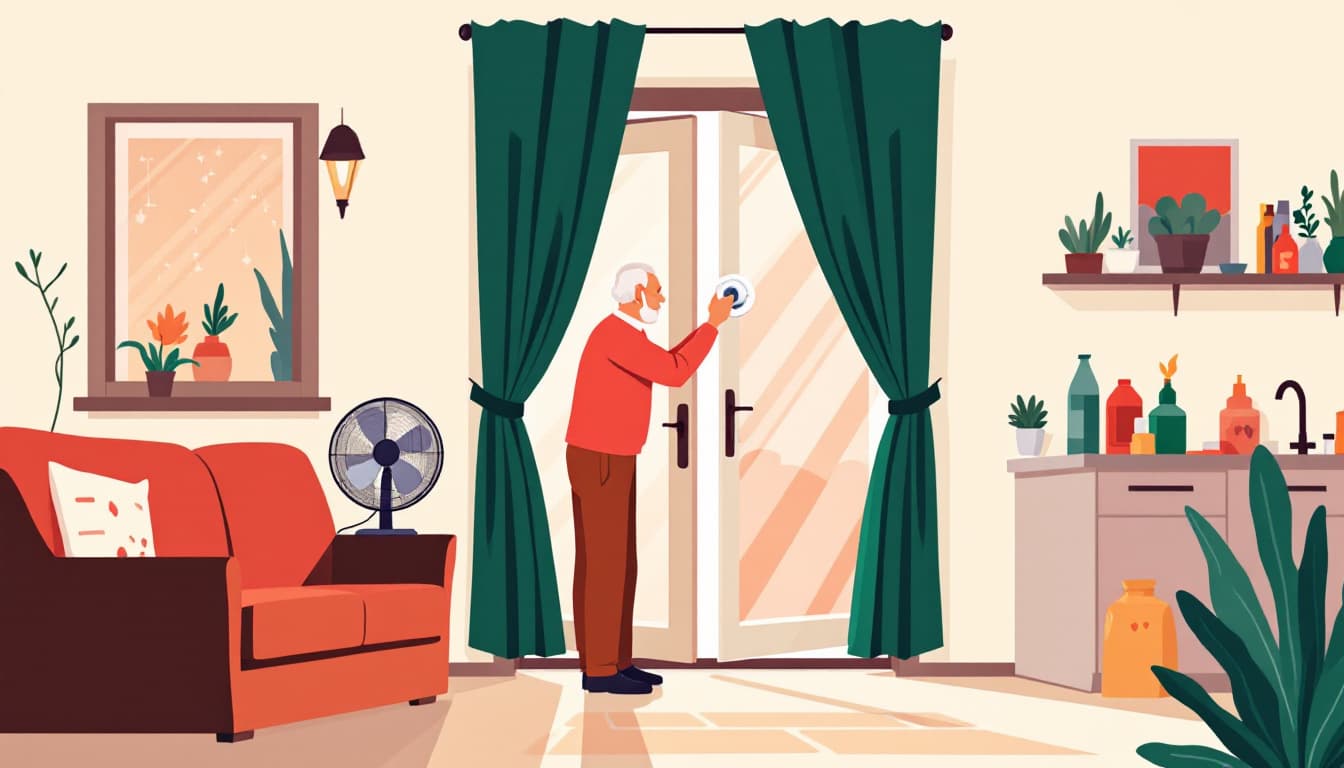
Identify every person in your network who lives alone or lacks reliable cooling. Call them tonight, not tomorrow. Tennessee's 211 service connects residents to local cooling centers and wellness checks — it's an underused resource. If you have elderly neighbors who are proud and unlikely to ask for help, a direct knock on the door is more effective than a phone call.
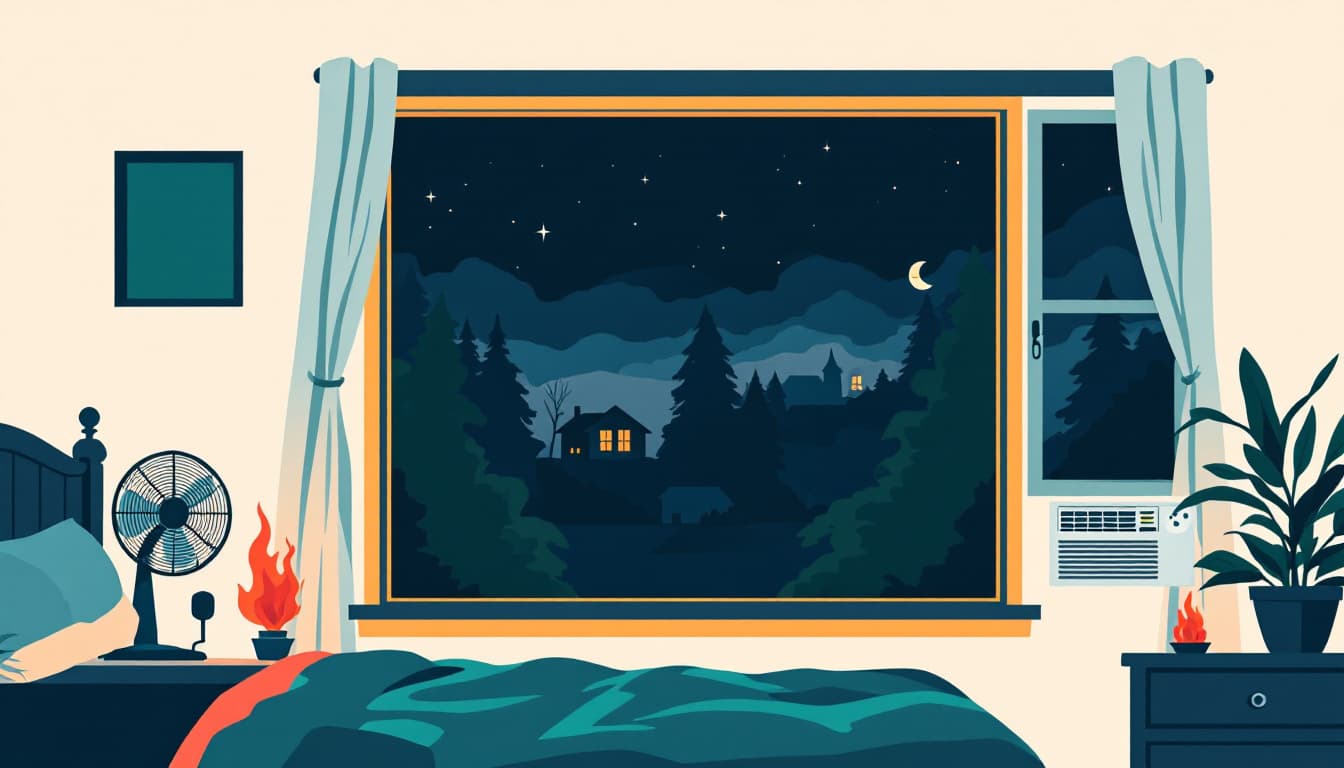
Put a battery-powered fan and a frozen water bottle in every bedroom. This is a $25 fix that meaningfully lowers the perceived temperature in a room that's lost AC. If power does flicker, a fan running on a small rechargeable battery bank buys several hours of safe sleep. Wet a cotton shirt or bandana before bed — evaporative cooling works even in Tennessee humidity, though less efficiently than in arid climates.
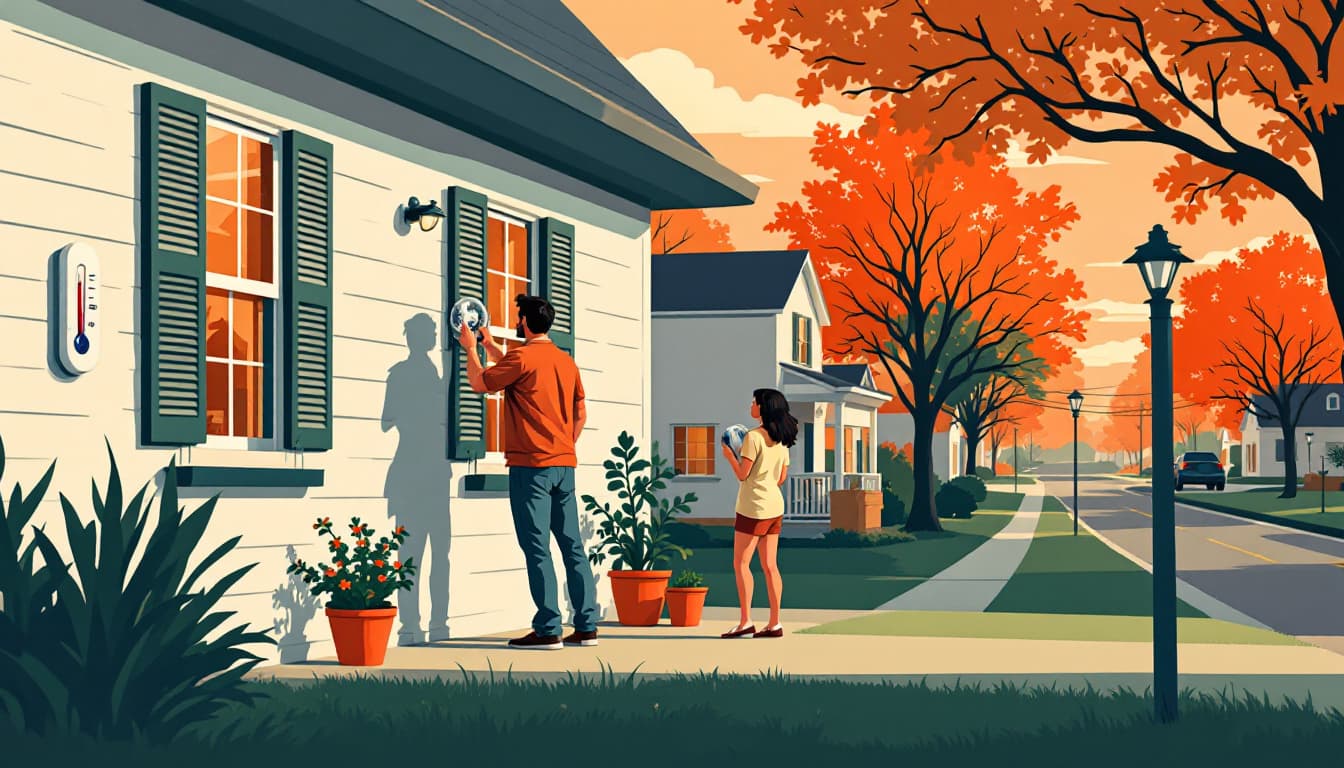
Check your window units before the hottest hours hit. Clean or replace the filter on any window AC unit in the house. A clogged filter can reduce cooling output by 15–25% — that's not a rounding error when ambient temps are near 100°F. This takes five minutes.
Know where your nearest public cooling center is before you need it. Rutherford County Emergency Management and the Tennessee Emergency Management Agency both maintain updated shelter-in-place and cooling resources during declared heat events. Search TEMA's site now and bookmark it. A cooling center matters most at 2 a.m. when a window unit dies — not when you have time to Google it calmly.
The bigger picture
Tennessee summers have always been brutal. What's shifting is duration and overnight minimums — the baseline from which your body gets to recover has risen. That doesn't require catastrophizing. It requires updating your household assumptions.
The families who handle heat events well aren't the ones with the most gear. They're the ones who've thought through the failure points — an AC unit that's eight years old, a relative who lives alone, a bedroom that faces west — before the weather alert arrives. This week is a reasonable deadline to finish that thinking.
Durability isn't dramatic. It's a clean AC filter, a charged fan, and knowing your neighbor's name.