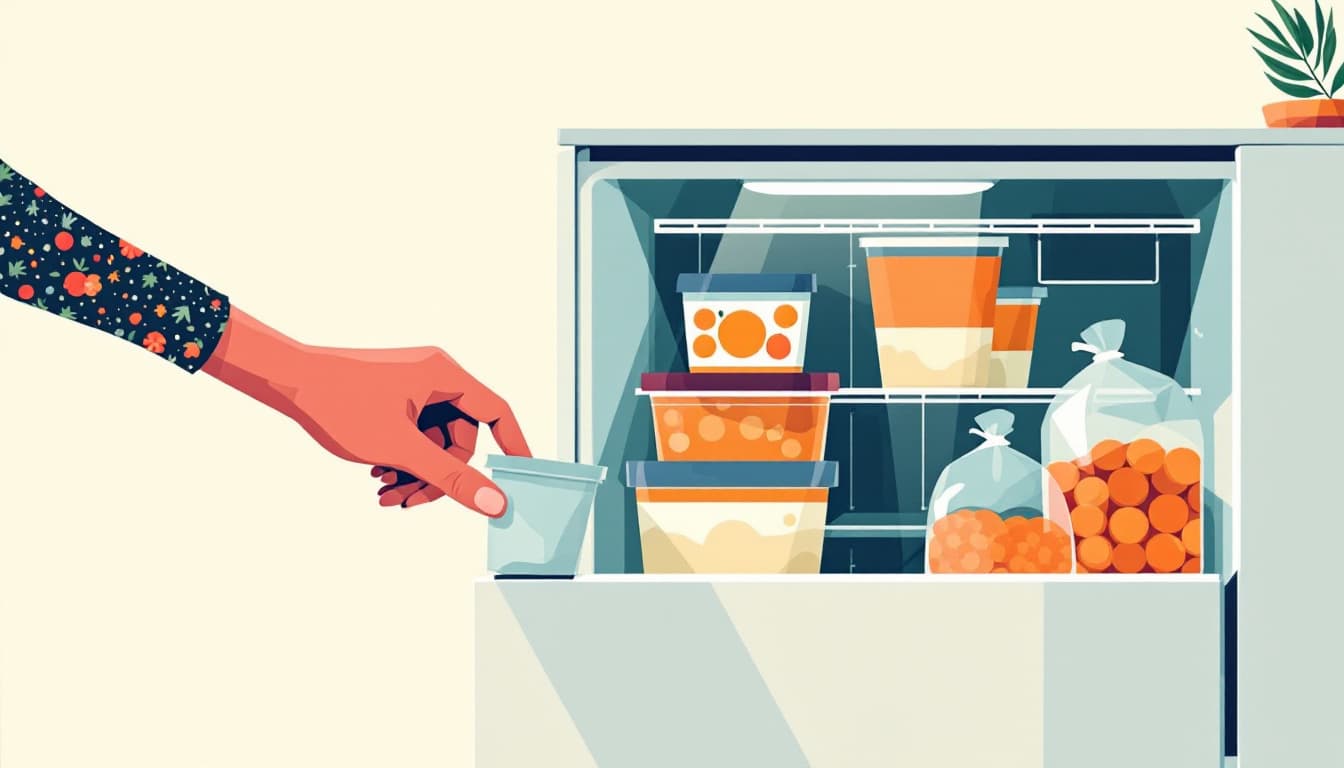
A bag of frozen blueberries sitting in a Knoxville or Memphis freezer right now may be part of an active E. coli recall. A report this week from WATE 6 On Your Side identified Tennessee as one of the affected states in a multistate recall tied to E. coli contamination in frozen blueberries. The recall is not theoretical — it's the kind of contamination that lands people in emergency rooms, and frozen fruit is easy to overlook because it feels shelf-stable.
What's actually happening
Frozen produce recalls involving E. coli are more serious than the typical "may contain undeclared allergen" notices. E. coli O157:H7 — the strain most commonly implicated in produce recalls — produces toxins that can cause severe gastrointestinal illness and, in vulnerable people, hemolytic uremic syndrome, a form of kidney failure. Children, the elderly, pregnant women, and anyone immunocompromised are at higher risk.
The wrinkle with frozen fruit is behavioral: people blend it into smoothies without cooking it, add it to yogurt straight from the bag, or let it thaw on the counter. None of those uses kill E. coli. Cooking frozen blueberries to 160°F does.
Frozen fruit also tends to accumulate in household stockpiles. Preparedness-minded families often buy in bulk. That's sensible until a recall hits and you're not sure which bags predate it.
The FDA's recall database is the authoritative source here. The specific lot numbers and UPC codes matter — not just the brand name. A recall of one production run doesn't automatically cover every bag with the same label.
What we'd actually do
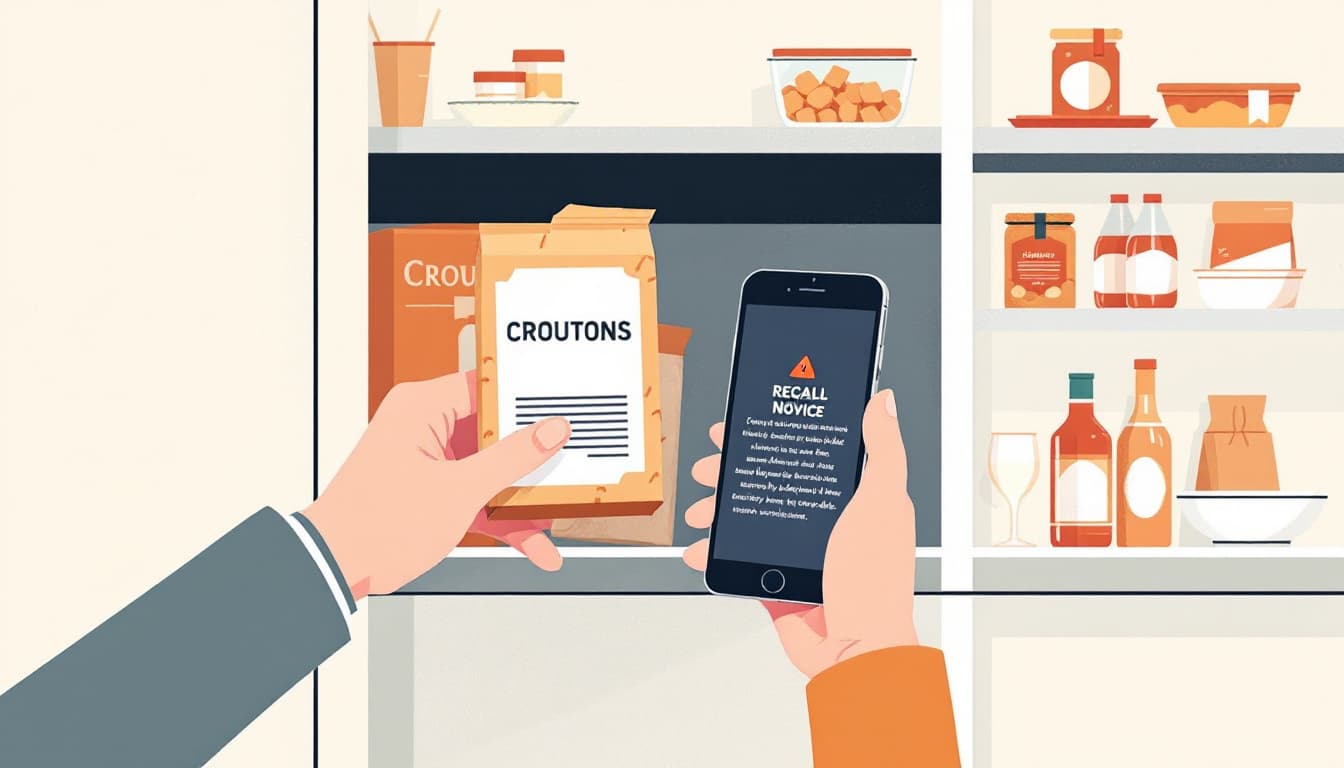
Check your freezer against the FDA recall database tonight. Go to FDA.gov, navigate to recalls, and search the current notices for blueberries. Match the brand, UPC, and lot code on your bag exactly. If you can't find the bag's lot code — many people toss the outer packaging — treat it as potentially affected and don't eat it until you confirm.
The lot code is usually printed on a sticker on the back of the bag or heat-stamped into the bottom seal. It is small and easy to miss. If the bag is already open and you've discarded the outer packaging, you've lost the ability to verify. For any unverified bag from a recalled brand, the conservative move is disposal. An $8 bag of blueberries is not worth the risk.
Register for FDA MedWatch or USDA recall email alerts. Both agencies run free email notification lists. The FDA's recall alert list delivers notices to your inbox within hours of a public announcement. This is the one-time, five-minute action that turns you from a reactive household into a proactive one. Tennessee families who buy from large regional grocers — Kroger, Publix, Walmart Supercenter locations across the Knoxville, Nashville, Memphis, and Chattanooga areas — will sometimes get automated store recall notices, but those are inconsistent. The federal alert is more reliable.
Build a simple frozen-food log. A notes app entry or a piece of masking tape on the inside of the freezer door with the brand, purchase date, and UPC of bulk frozen items takes two minutes when you unpack groceries. When a recall drops, you can verify in seconds instead of digging through bags. This is not elaborate prepper infrastructure — it's the same discipline a restaurant is required by law to maintain, applied at household scale.
Know what symptoms to watch for and when to call a doctor. E. coli O157:H7 typically causes bloody diarrhea, severe abdominal cramping, and vomiting starting two to eight days after exposure. Most people recover without antibiotics — and in fact, certain antibiotics can worsen outcomes. The threshold for calling a doctor: blood in stool, symptoms lasting more than three days, or any sign of reduced urination in a child. Tennessee residents without a primary care relationship can reach the Tennessee Department of Health at 615-741-3111 for guidance.
The bigger picture
A recall like this isn't a reason to stop buying frozen produce or to build a bunker full of canned goods. Frozen fruit is nutritionally sound, affordable, and genuinely useful in a household food budget. What it is: a reminder that the food supply has failure points, and knowing how to check for them — quickly, without panic — is a basic household skill.
Preparedness isn't about imagining every worst case. It's about having the habits in place so that when a specific, real, manageable problem surfaces, you spend five minutes solving it instead of two days worrying about it.