In June 2026, Tennessee is sitting at the front edge of a summer that weather experts say will bring both harder storms and longer stretches of dangerous heat. A report this week from AOL.com summarized forecasts pointing to intense storm activity alongside extended heat waves across the state. That combination — not one or the other, but both — is what makes this summer worth taking seriously now, before the first derecho or the first multi-day stretch above 100°F arrives.
What's actually changing
Tennessee already sits in a geography that doesn't give much grace. The western half of the state — Memphis, Jackson, the river lowlands — absorbs Gulf moisture and summer heat in ways that Middle Tennessee and the Plateau do not. East Tennessee's terrain funnels severe weather through narrow valleys. These aren't new dynamics, but when forecasters signal that storm intensity and heat duration are both elevated in the same season, the risk isn't additive. It's compounding.
Here's the specific mechanism that matters for households: intense storms in late spring and early summer knock out power infrastructure. When the outage happens during a heat wave — not before, not after — a family without a plan moves from inconvenience to medical emergency within 24 to 48 hours. The Tennessee Department of Health has tracked heat-related illness hospitalizations in prior summers; the numbers climb sharply when outages and heat overlap, particularly in Memphis and Nashville metro areas where overnight lows stay high and older housing stock holds heat.
Storm intensity also means flooding. Middle Tennessee knows this from prior spring flood events. Residents along the Cumberland, Tennessee, and Harpeth rivers, and anyone in a low-lying hollow in the eastern part of the state, should treat the flood risk as real regardless of whether they've seen it personally.
What we'd actually do
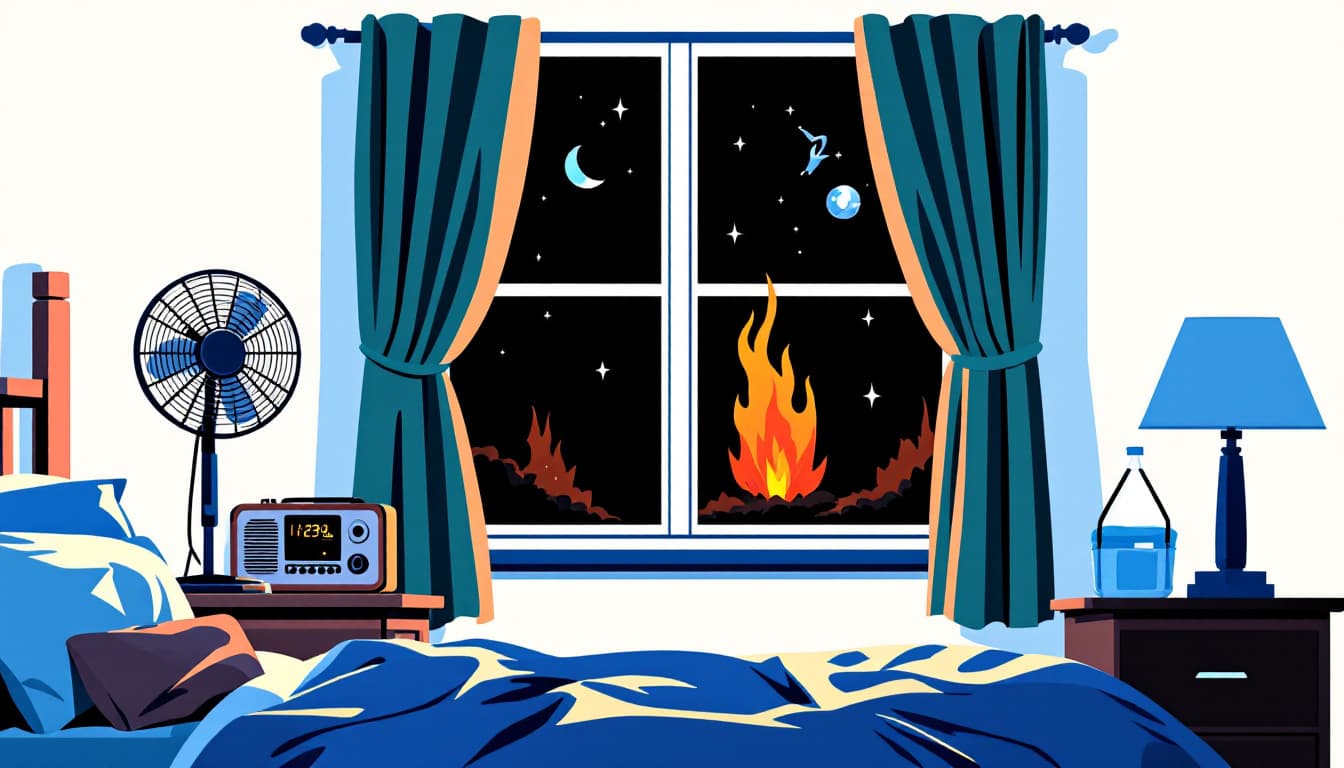
Get your cooling redundancy sorted before July. A window AC unit running on a standard outlet will keep one room livable during a grid outage only if you have generator capacity or a battery station large enough to run it. A mid-size portable battery station (1,000–2,000Wh) won't run central air, but it will run a small window unit or box fan for 4–8 hours — enough to sleep safely. Prices on these units have come down; check current stock at hardware stores rather than assuming Amazon shipping is fast enough when a heat event is already building.
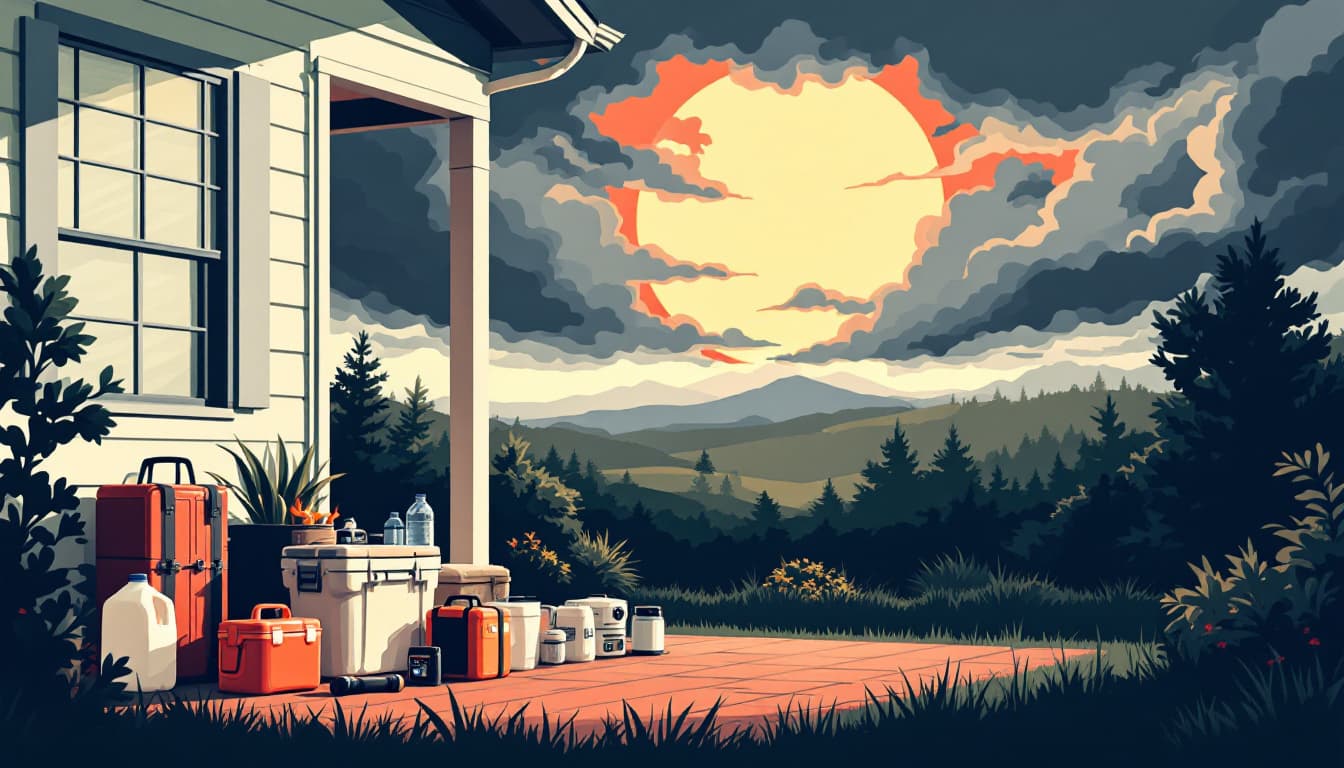
Build a three-day water reserve and keep it cold-accessible. Storm damage can interrupt municipal water service in ways that outlast the storm itself. Three gallons per person per day is the standard floor for drinking and sanitation. In a heat event, that number goes up. Fill clean 1-gallon jugs now, store them somewhere accessible, and date them. This is a two-hour project and costs under $15.
Know your county's cooling center locations before you need them. Every Tennessee county has a protocol for opening cooling centers during heat emergencies, typically coordinated through county emergency management and TEMA (Tennessee Emergency Management Agency). Look up your county's plan now at tema.tn.gov — not during a heat advisory when websites slow under traffic. Write the address and phone number on paper.
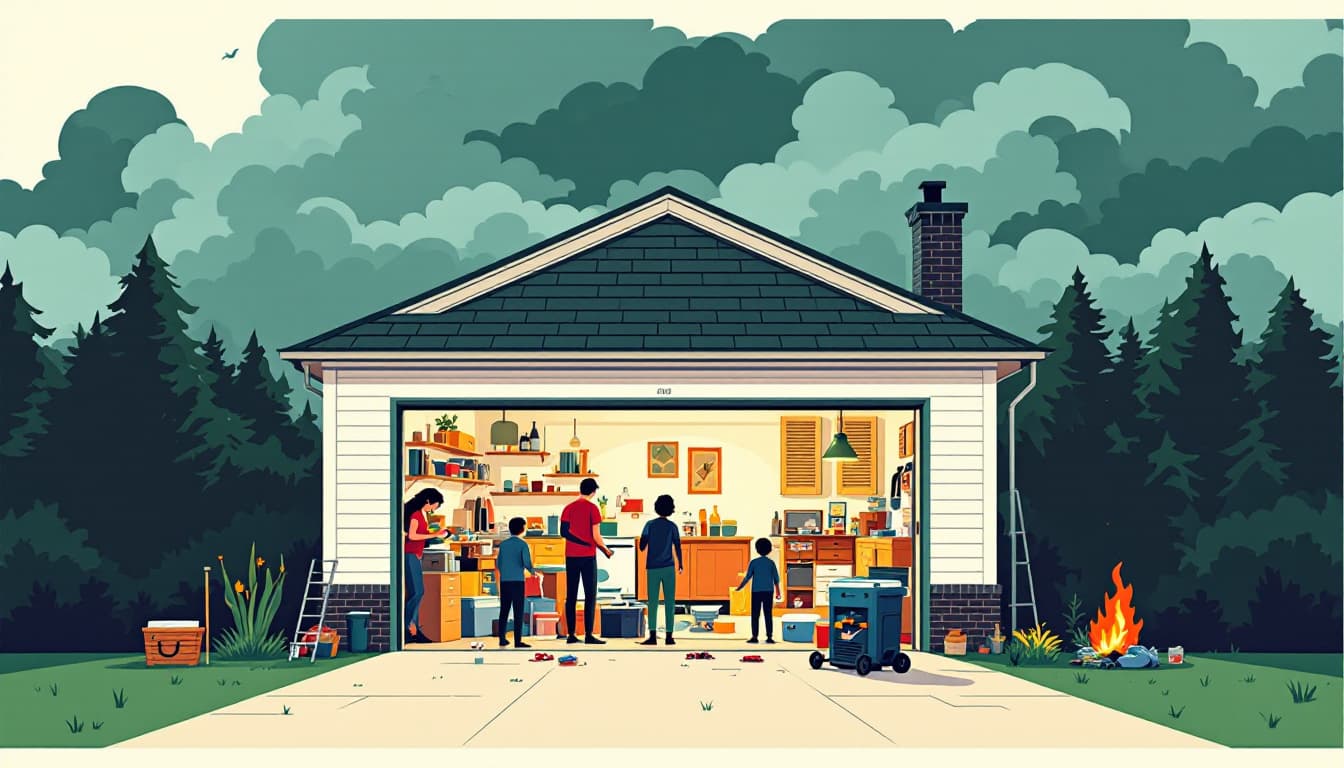
Check your roof, gutters, and any large tree limbs within striking distance of your house. Intense storms mean high straight-line winds, not just tornadoes. A gutter packed with spring debris turns a heavy rain into a foundation water problem. A dead limb over your roof becomes structural damage. Neither fix requires a contractor; both are worth an afternoon this weekend.
Have a communication plan for power outages lasting more than 24 hours. When cell towers lose backup power, texts become unreliable before calls do. Agree with your immediate family and one out-of-state contact on check-in times and a meeting point. A battery-powered or hand-crank weather radio — NOAA broadcasts on specific frequencies — gives you official updates without grid power or cell service.
The bigger picture
Tennessee households that get through a bad summer well aren't the ones who bought the most gear. They're the ones who made a few decisions in advance: where to sleep if the power is out, where the water is, who to call, and where to go if home becomes unsafe. That's the whole game. Storms and heat waves are not scenarios to survive once — they're recurring features of living in this part of the country. The goal isn't to outlast a catastrophe. It's to build a household that absorbs disruption and keeps functioning.