Walk into any hardware store this spring and you'll notice something: the shelves that were quietly thinning out over the past year — tool sets, small appliances, certain fasteners — haven't exactly refilled. That's a lagging signal from tariff-driven supply disruption, and it won't reverse in a week just because diplomats reached a handshake.
A report this week from financialexpress.com indicates the US and China have agreed to reduce tariffs on some goods as part of an effort to stabilize trade flows. The products affected were not specified in the report. That vagueness is the first thing a household should notice — and sit with.
What's actually changing
An agreement to reduce tariffs is not the same as reduced tariffs. Trade agreements move through implementation phases, and even after tariff rates formally drop, importers need time to renegotiate contracts, rebuild order pipelines, and ship goods that then spend weeks on water before hitting a US port. Retail price changes typically trail the policy shift by months, not days.
The more important context: the tariff levels that built up over the past two years were high enough to push some manufacturers to diversify sourcing into Vietnam, Mexico, and India. Those supply chain rewirings don't simply undo themselves because one agreement gets signed. Some of that production shift is permanent. Which means even in a genuine détente, certain product categories may not return to the pricing floors families were used to in 2022 or 2023.
There's also the "unspecified" problem. When the goods covered by a deal aren't named publicly, the practical effect on any given household depends entirely on what ends up in the fine print. Consumer electronics, clothing, and household goods are all heavily sourced from China — but so are a lot of industrial inputs that affect the cost of things made domestically. Until the product list is public, any family adjusting their household budget based on this news is getting ahead of themselves.
What the agreement does signal clearly: both sides have an incentive right now to reduce friction. That's a genuine shift in posture from the escalatory pattern of the past two years. It doesn't mean stability. It means a pause worth watching.
What we'd actually do
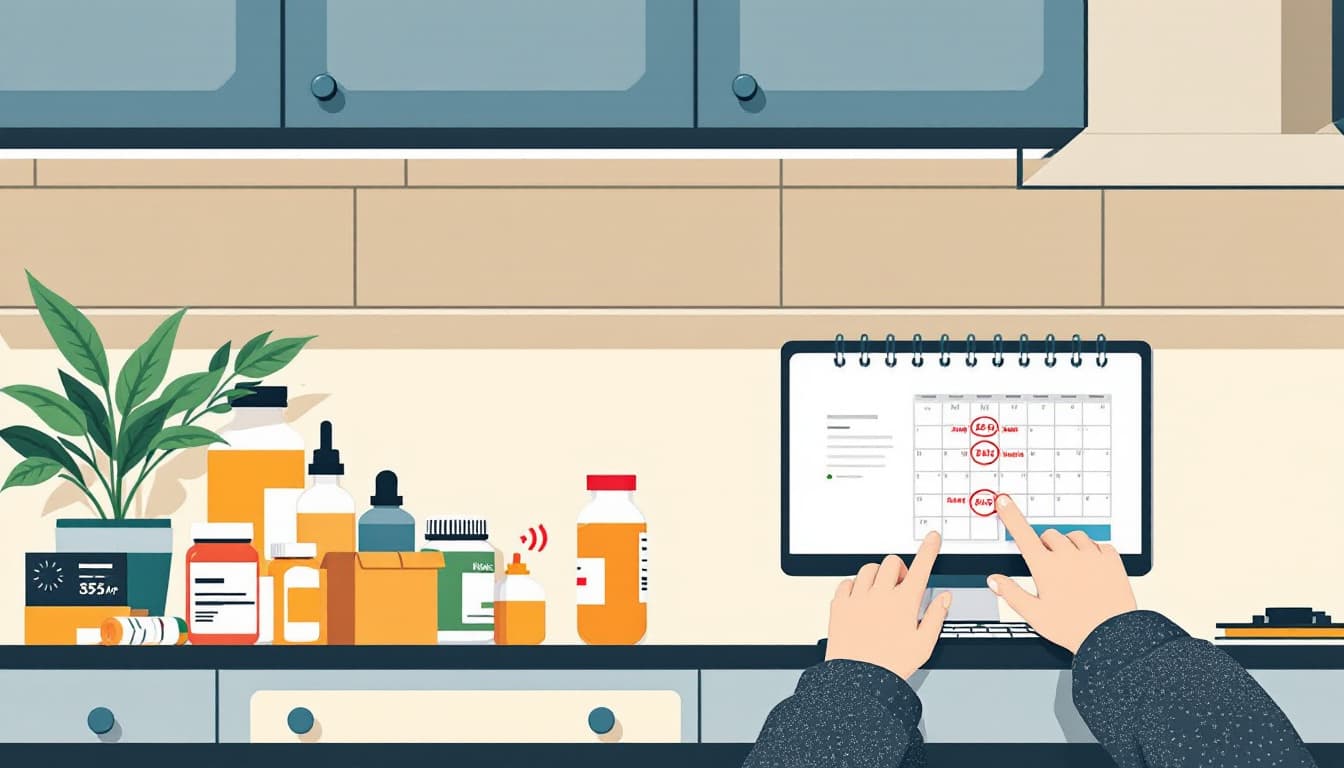
Keep your pantry buffer at three to four weeks, not three to four months. The supply chain disruption risk from this tariff cycle was never famine-level; it was price-spike and intermittent-availability level. A modest, rotating pantry of shelf-stable staples covers that exposure without tying up cash in a 90-day bunker build. If the truce holds and prices soften over the next two quarters, you haven't lost anything — you just ate through your buffer.
Hold off on large household appliance purchases for 60 to 90 days. If the tariff reductions are real and cover consumer goods, appliance prices may ease. This isn't about timing the market perfectly — it's about not locking in elevated tariff-era pricing one week before it potentially shifts. If you need the item now, buy it now. If you can wait, wait.
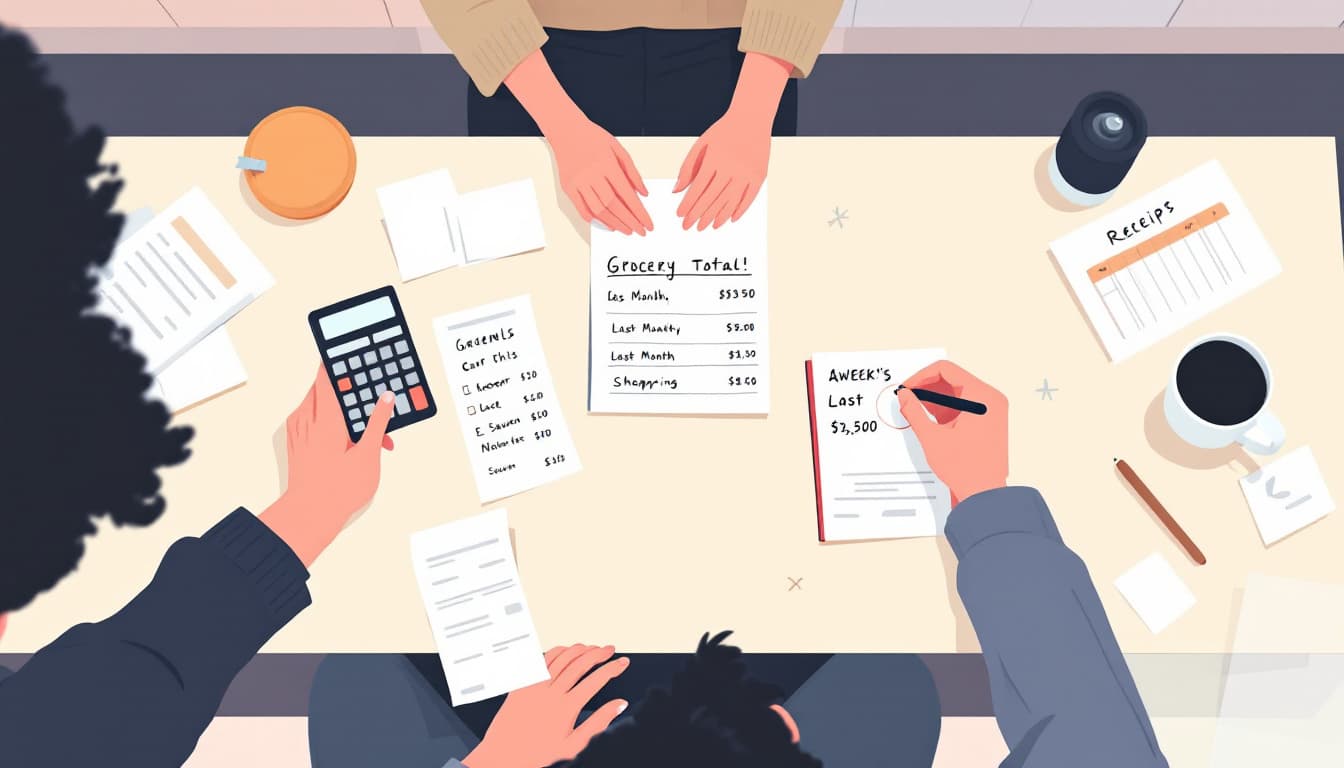
Audit what you actually buy that's made in China. Most families don't know this with any precision. Spend 20 minutes with recent Amazon orders or store receipts and identify the three or four product categories where you spend the most and where Chinese manufacturing dominates. Those are your exposure points. For each one, note whether a domestic or third-country alternative exists and at what price premium. You don't need to act on this today — you need to know the number before you need it.
Do not front-load purchases based on this news. This is the classic preparedness trap: a positive trade signal creates a rush to stock up before the "window closes," which is backwards logic. If tariffs drop, goods get cheaper over time. The urgency runs in the other direction.
The bigger picture
Supply chain fragility isn't solved by a single diplomatic round. The past two years exposed how deeply American household economics are entangled with a single trading relationship — and that exposure doesn't disappear with one agreement, especially one whose terms aren't yet public.
The families who will navigate the next round of disruption best, whatever its shape, are the ones who've built genuine flexibility: a modest food buffer, some knowledge of substitutes, and spending patterns that aren't locked to just-in-time delivery of imported goods. That's not catastrophe prep. That's durability.
A trade truce is good news. It's not a reason to stop paying attention.