A report this week from Anadolu Ajansı noted that global markets fell under pressure from two separate forces at once: renewed US-Iran tensions in the Middle East and a sharp selloff in semiconductor stocks. On any given week, one of those would be enough to rattle sentiment. Both together tells you something about where the stress is accumulating in the global system — and a few of those stress points will eventually show up in your household budget.
What's actually changing
Markets react to geopolitical headlines faster than supply chains do, which means the real household effects lag the news by weeks or months. Two channels matter here.
Energy prices. The Strait of Hormuz moves roughly 20 percent of the world's seaborne oil. When US-Iran tensions spike, shipping insurance on tankers rises immediately, and spot crude prices follow. That doesn't always translate to pump prices — domestic refinery capacity, strategic reserve releases, and demand conditions all intervene — but a sustained escalation typically reaches the gas station within four to six weeks. It also inflates heating oil and diesel, which lifts the cost of trucking everything else.
Consumer electronics and appliances. The chip selloff is a separate story. Semiconductor equities fell not because factories stopped running, but because of demand-outlook uncertainty in a sector already navigating export restrictions and capacity buildouts. That said, chip inventories in the consumer electronics supply chain have been uneven since 2022. A prolonged period of manufacturer caution — cutting orders to protect margins — has historically preceded appliance and electronics shortages by one to two quarters. We're not predicting a shortage. We're saying this is a pattern worth tracking.
Neither of these is a reason to panic-buy generators or fill every container in your house with gasoline. It is a reason to make a few low-regret moves before the ripple hits retail shelves.
What we'd actually do
Check your vehicle fuel level and keep the tank above half for the next month. Gas prices tied to a geopolitical spike are notoriously volatile in their first weeks. Keeping your tank reasonably full means you're not forced to buy at the peak of a temporary price surge. This costs you nothing if prices stay stable.
Look at any large electronics or appliance purchase you've been deferring. If you've been on the fence about a laptop, a chest freezer, or a washing machine, this is worth accelerating — not out of panic, but because chip-sector uncertainty tends to compress the window of good pricing before manufacturers adjust. A chest freezer in particular is one of the most durable preparedness investments a household can make regardless of current events: it cuts food waste, enables bulk buying, and functions as cold-storage buffer during short-term outages.
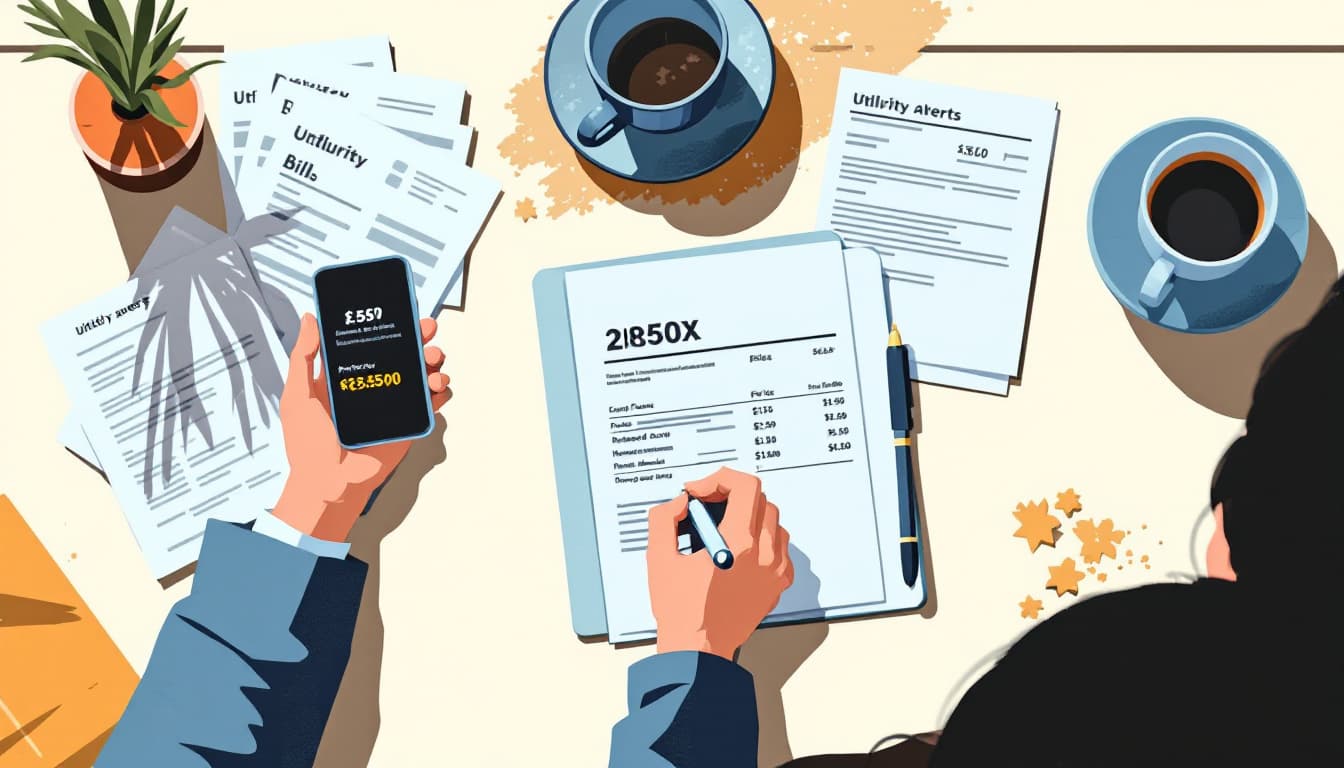
Pull up your last three utility and gas bills and note the per-unit cost, not just the total. Most people track the total dollar amount and miss the trend in the underlying rate. If you know your cost-per-kilowatt-hour and cost-per-gallon baseline right now, you'll be able to see a change clearly when it comes — rather than noticing six months later that your budget is mysteriously tighter.
If you heat with oil or propane, call your supplier about a pre-buy or fixed-rate contract. Summer is when these contracts are cheapest. A Middle East escalation that sustains through fall will push heating fuel costs up in ways that a fixed-rate agreement can partially insulate you from. Not every supplier offers this, and not every household has the cash flow to pre-buy. But if yours does, it's one of the highest-return preparedness moves available.
The bigger picture
The overlap of a geopolitical energy risk and a semiconductor sector shakeout in the same week is a reminder that the global supply chain runs on two rails simultaneously: physical commodities and digital components. When both rails show stress at once, the household-level exposure is broader than either story alone suggests.
The goal here isn't to forecast which way these situations resolve. It's to make a few small, low-regret adjustments so that if prices spike or shelves thin out in a particular category, you're absorbing the hit from a slightly stronger position than the average household. Durability over the long run comes from dozens of small decisions like this — not from any single dramatic act of preparation.