A report this week from the Tacoma News Tribune puts an extreme heat watch over Southwest Washington for Monday and Tuesday. That means the National Weather Service has identified conditions likely to produce dangerous heat — not possible, not a concern to monitor, but likely enough to warrant a formal watch.
For most of the country, that's a summer Tuesday. For the Puget Sound lowlands, the Columbia River corridor, and communities from Olympia down through Longview and Vancouver, it is a more serious signal. Western Washington's housing stock was not built for sustained heat. Insulation designed to hold warmth in winter holds warmth in summer too. A house that reaches 85°F indoors by 2 p.m. will still be 80°F at midnight. That is the part most people underestimate.
What's actually different about heat events here
The 2021 heat dome that hit the Pacific Northwest killed hundreds of people across Washington and Oregon — the Washington State Department of Health confirmed it as one of the deadliest weather events in state history. The casualties were concentrated among people who lived alone, had no air conditioning, and did not have a clear plan. Many of them were not elderly. Some were in their 40s and 50s.
What made it lethal was the combination of duration (multiple nights without cooling), lack of AC penetration in regional housing (well under half of homes in Western Washington had central air at that point, per Washington State University extension research), and a population unaccustomed to recognizing heat illness in themselves.
A two-day heat watch is not the 2021 event. But the physiological mechanics are identical. Your body's ability to shed heat depends on the overnight low. If nights stay warm, you accumulate heat debt. By Tuesday afternoon, a person who slept in a 78°F bedroom Monday night is already compromised.
What we'd actually do
Locate your nearest cooling center before Monday morning. King, Pierce, Clark, and Cowlitz counties typically activate cooling centers during heat watches, often in libraries, community centers, and senior facilities. Check your county's emergency management page Saturday — not Monday when the sites update slowly. Washington 211 (call or text 211) connects residents to social services including cooling center locations.
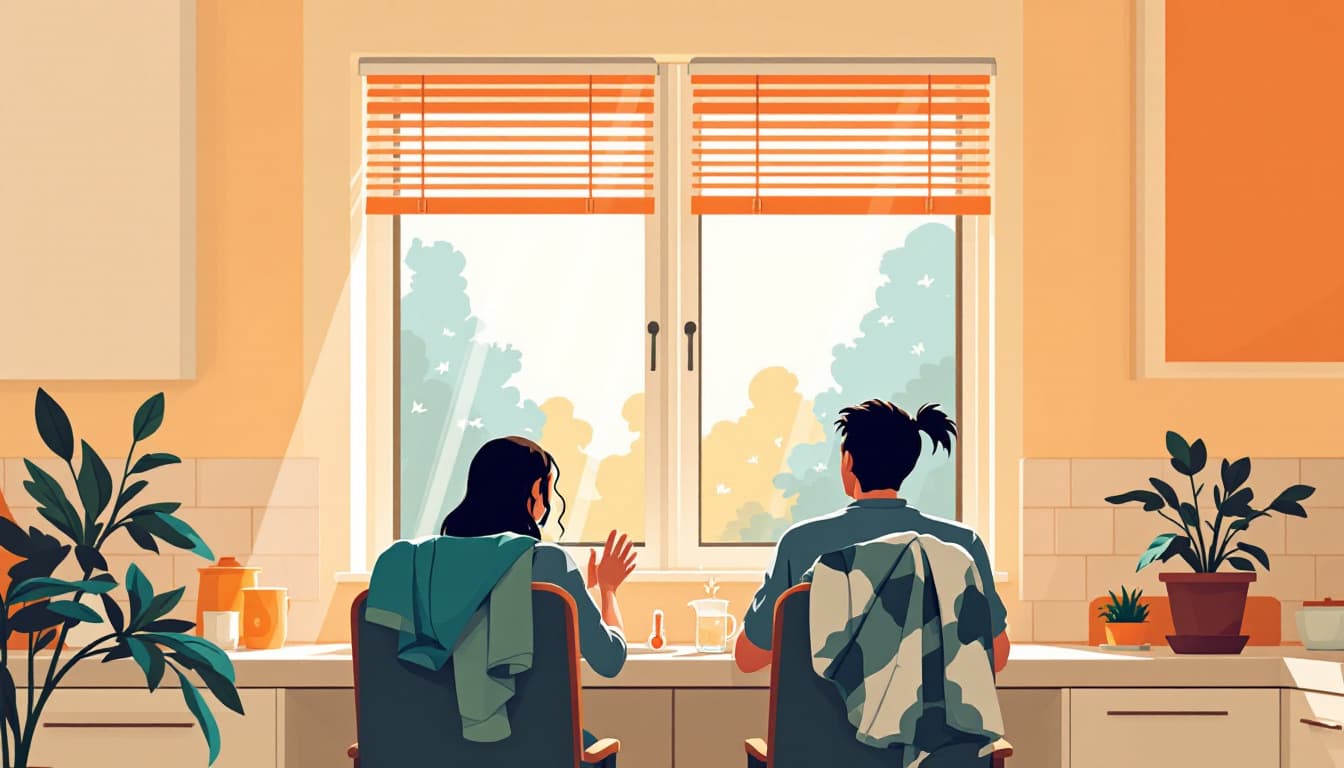
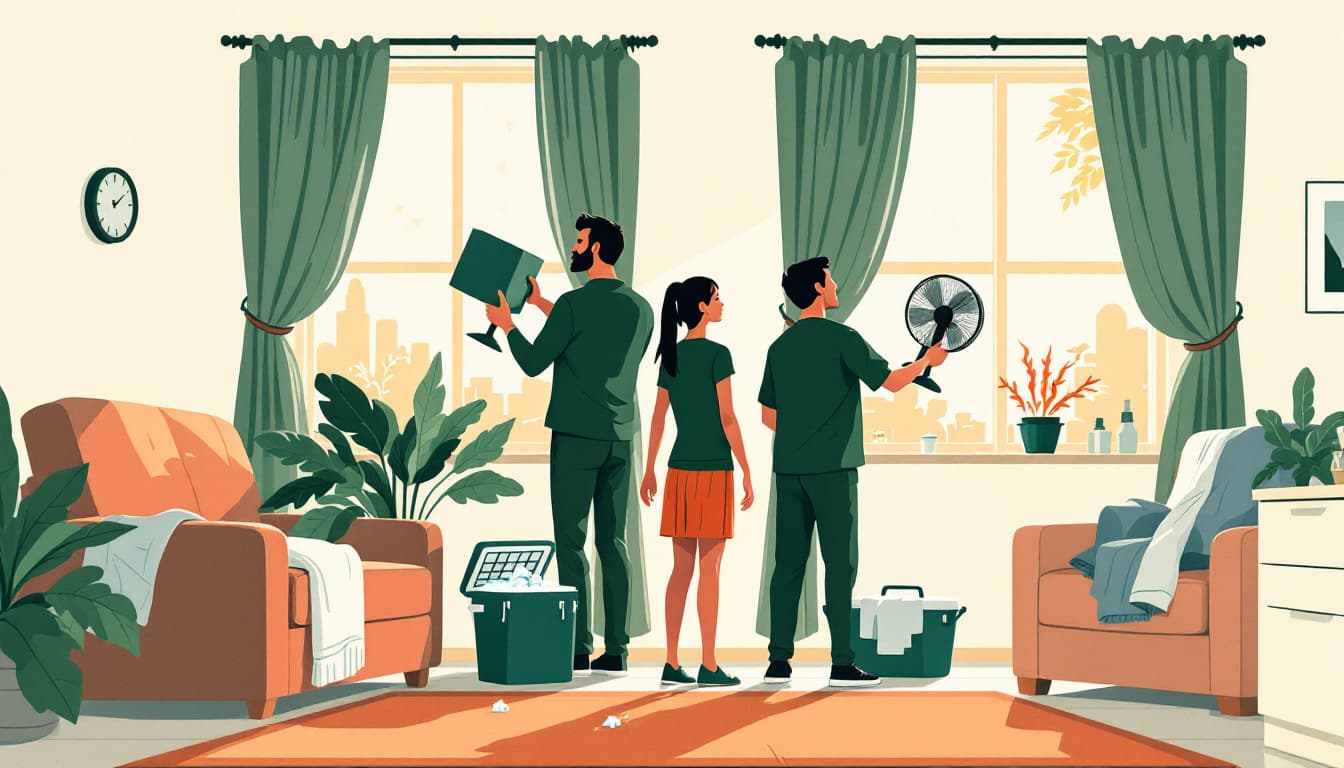
Set up your home's passive cooling now, not Monday at noon. Close south- and west-facing blinds before 10 a.m. and keep them closed. Open windows on opposite sides of the house after 9 p.m. when outside air drops below indoor temperature. A box fan in a north-facing window exhausting air outward, combined with a window open on the opposite side, moves significantly more heat than a fan simply circulating indoor air. This costs nothing.
Buy a thermometer for your bedroom, not your living room. Most people track the thermostat in common areas. Your sleep quality — and your heat safety — depends on where you sleep. A $12 indoor thermometer tells you whether your cooling strategy is actually working. If your bedroom is above 75°F at 10 p.m., you need a different plan for the night.
Check on neighbors who live alone, specifically those over 65 or without AC. Washington has one of the older median-age rural populations in the region. A phone call Monday afternoon takes 90 seconds. During the 2021 heat dome, many of the people who died had not been in contact with anyone for 24 to 48 hours. You do not need an app or a program. You need a list of three names and a habit.
Stock electrolytes, not just water. Sustained sweating without electrolyte replacement causes hyponatremia — low sodium — which mimics heat exhaustion and can worsen it. Plain water is essential but not sufficient during heavy heat exposure. Liquid IV, Nuun tablets, or even a homemade mix of water, a pinch of salt, and citrus covers this. Keep it in the refrigerator.
The bigger picture
Washington households west of the Cascades have spent decades assuming the climate kept temperatures moderate enough that aggressive heat prep was someone else's problem. That assumption has been wrong for at least five years. Two-day extreme heat watches in late June are going to be a recurring feature of summers here, not an anomaly.
The goal is not to turn your house into a bunker or spend $3,000 on a mini-split before Tuesday. The goal is to get one heat event further along in your household's preparedness than you were for the last one. A thermometer, a cooling center address in your phone, and a call to your neighbor is a meaningful upgrade. Start there.