In late May 2026, a heat wave swept across Europe severe enough that The Washington Post reported decades-old temperature records falling and deaths mounting across multiple countries. Cities that weren't built for sustained extreme heat — with old housing stock, limited air conditioning, and populations unaccustomed to the risk — bore the worst of it.
Washington state knows this pattern. In late June 2021, a heat dome pushed temperatures in Seattle past 108°F and contributed to hundreds of deaths across the Pacific Northwest in a matter of days. That event exposed the same vulnerabilities Europe is confronting now: a population that historically hasn't needed to prepare for heat, housing built without it in mind, and a public health system that wasn't ready for the volume.
What's actually changing
The 2021 heat dome was described at the time as a once-in-a-millennium event. What's worth watching is whether events that were once statistical outliers start arriving more frequently, before the region has meaningfully adapted. Washington's building stock west of the Cascades still skews heavily toward homes without central air conditioning. In the Seattle metro area, estimates from recent years put AC penetration well below the national average — somewhere in the range of half of households, compared to roughly 90 percent nationally, according to U.S. Energy Information Administration survey data.
East of the Cascades, in the Yakima Valley, the Tri-Cities, and Spokane, residents have more experience with heat and higher AC adoption. But they face a different vulnerability: agricultural dependence on irrigation infrastructure that can be strained when demand spikes during heat events, and outdoor workers with limited options to reduce exposure.
The European situation also highlights a grid vulnerability that applies here. When millions of households run air conditioners simultaneously, utilities face demand spikes they didn't plan around. Washington's Bonneville Power Administration has been managing a grid built substantially around hydropower — which is itself affected by drought and snowpack reductions. A major heat event in a low-snowpack year is a compounding scenario.
None of this is cause for alarm. It is cause for a specific kind of household preparation that most Western Washington families still haven't done.
What we'd actually do
Audit your home's cooling capacity before June. Don't wait for a heat advisory to find out your window AC unit from 2019 no longer works, or that you don't own one. If you rent, check your lease and contact your landlord now — Washington's Residential Landlord-Tenant Act has been updated in recent years to address habitability standards, and some jurisdictions have added heat-specific provisions. Buying a window unit before a heat event is dramatically cheaper and easier than buying one during it.
Identify your household's most vulnerable members and make a specific plan for them. Heat mortality is concentrated in people over 65, people with cardiovascular or respiratory conditions, and people who live alone. If that describes someone in your household or someone nearby, write down what you'll do if temperatures exceed 100°F for three consecutive days. "Check in" is not a plan. "Drive them to our house or to the Redmond library cooling center by noon on day one" is a plan. Washington's Department of Health maintains a list of designated cooling centers by county; find yours before you need it.
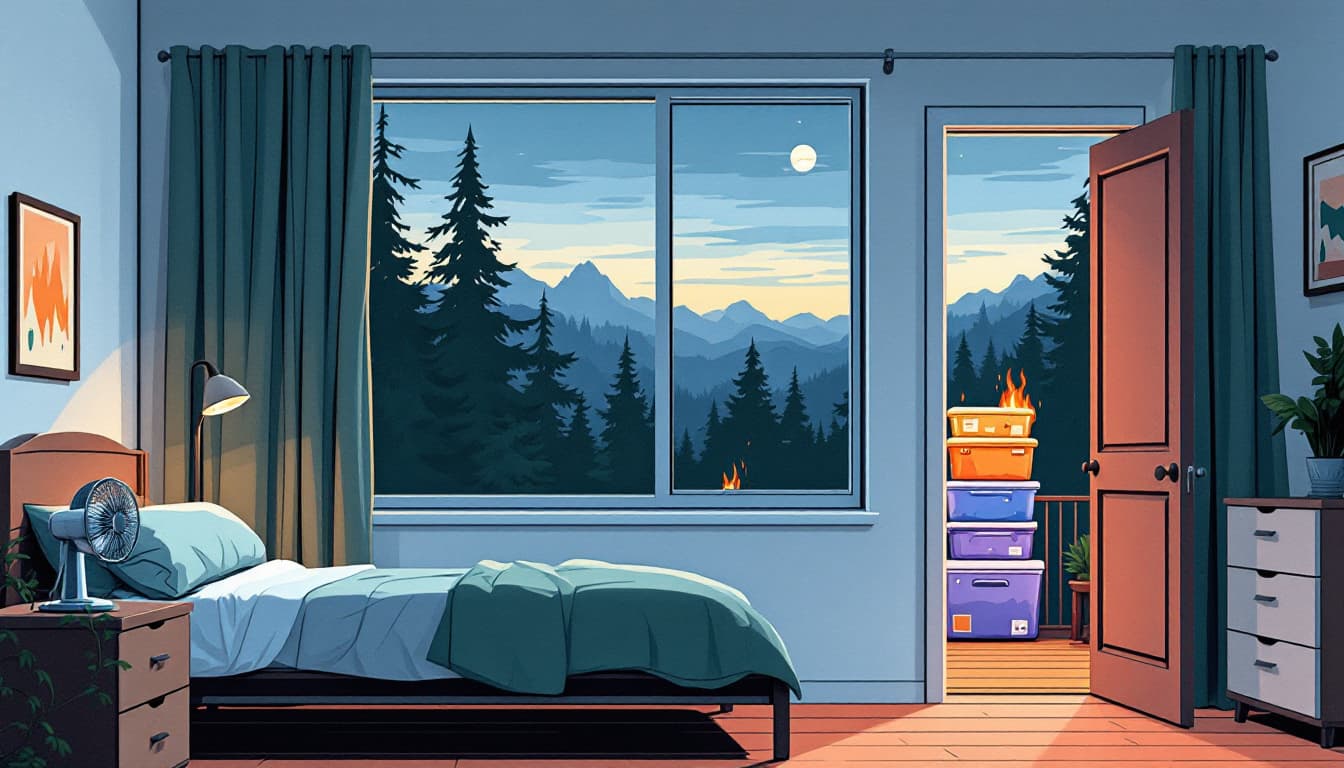
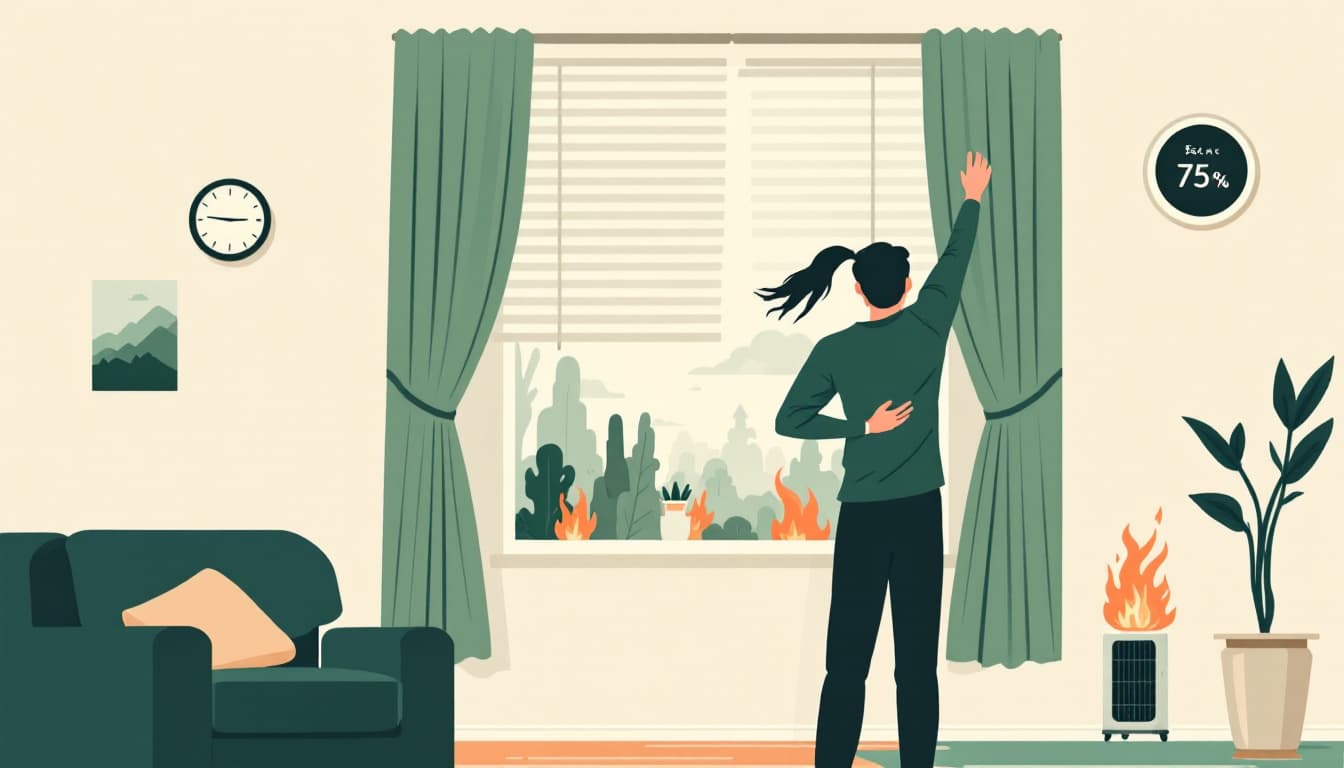
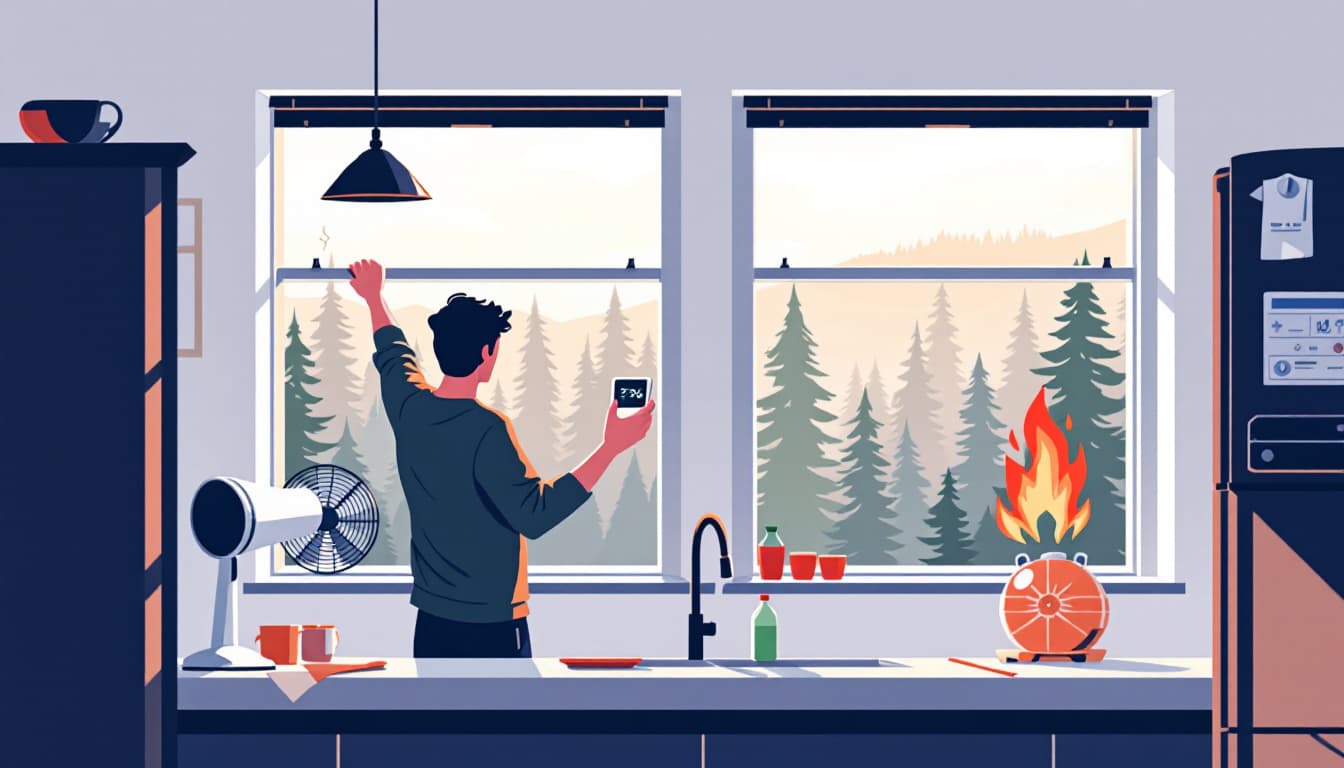
Build a 72-hour heat kit that's separate from your general emergency kit. This means: electrolyte packets (not just water — hyponatremia from over-hydration without electrolytes is a real heat-emergency risk), a battery-powered or USB fan, a spray bottle, blackout curtains or heavy window coverings that can be deployed in under ten minutes, and a thermometer that reads indoor temperature. A standard emergency kit doesn't address this.
Know your grid's weak points. Sign up for outage alerts through Puget Sound Energy, Seattle City Light, or your local PUD — whichever applies. During the 2021 heat dome, some substations failed under load. If your medical equipment, medications requiring refrigeration, or vulnerable household member depends on power, a small battery backup (not a full generator — just enough for a fan and phone charging) buys you meaningful time.
Have a no-AC fallback location identified. This can be a family member's house with central air, a nearby hotel, or a public building. Know its address, its hours during emergencies, and whether it allows pets. Making this decision under a heat advisory, while stressed and already warm, leads to bad choices.
The bigger picture
Europe's heat wave isn't a warning about Washington's future — it's a demonstration of what happens when a population that assumes moderate weather gets an extreme event without having prepared for it. Washington already had its demonstration in 2021. The question is whether households used the intervening years to adapt.
Durability doesn't mean owning a bunker. It means your family can handle a week of 108°F without a trip to the emergency room. That's an achievable goal, and most of it costs under $200 to set up correctly.