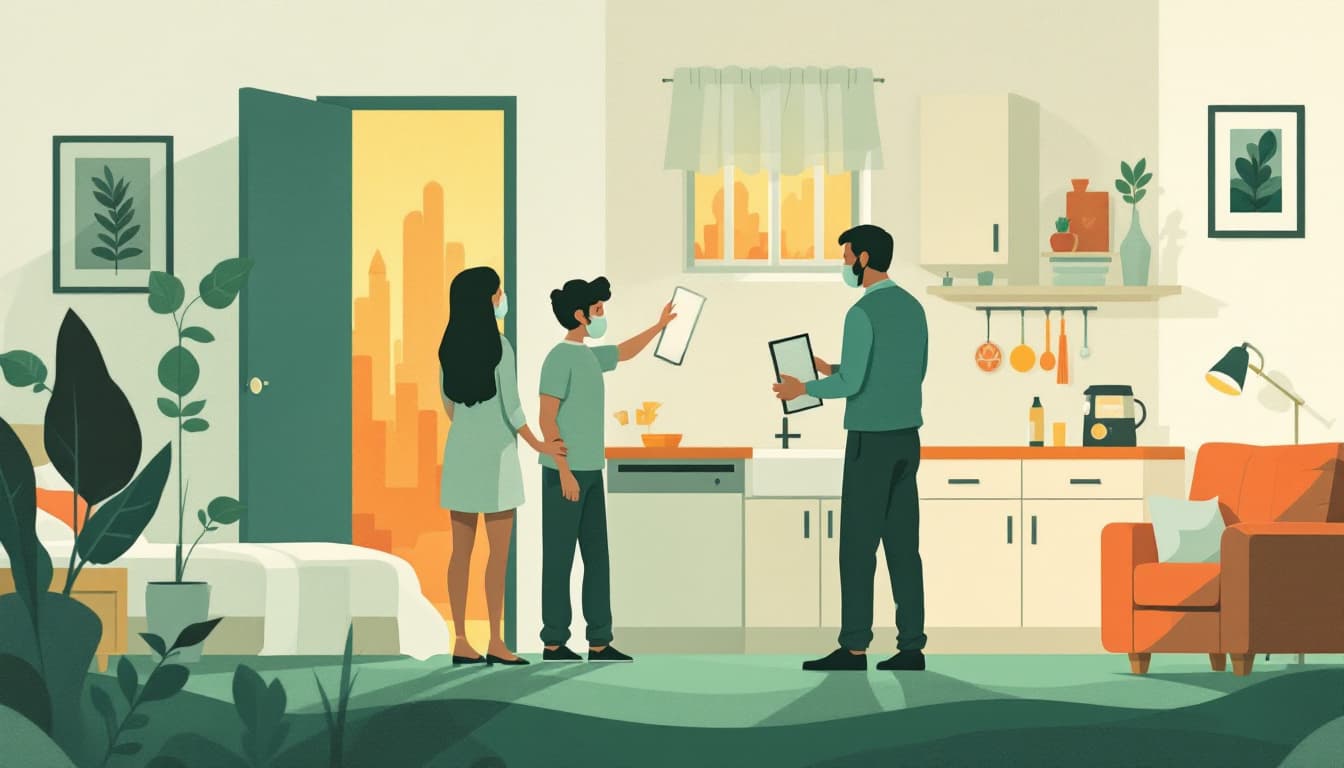
The air quality index in Missoula, Montana hit hazardous levels on multiple days last summer. Schools kept kids inside. Runners canceled races. People with asthma stayed home from work. Missoula Current's coverage of Wildfire Smoke Ready Week this month is a regional story, but the household problem it points to is not regional at all.
Smoke seasons have grown longer across the western U.S. and are now reaching communities in the Midwest and Northeast that historically had little exposure. A family in Boise or Bend has probably developed some intuition about smoke. A family in Kansas City or Pittsburgh almost certainly hasn't — and they're increasingly in the path.
What's actually changing
Wildfire smoke is not the same as urban pollution or a bad air day from ozone. It carries fine particulate matter, known as PM2.5, at concentrations that overwhelm the kind of filtration most homes passively provide. Cracking a window for "fresh air" during a smoke event makes indoor air worse, not better. That seems obvious once you know it. Most people don't know it until they're already breathing it.
The other shift worth naming: smoke events are no longer short. A week or more of degraded air quality in a single stretch is now common across western states. That changes the calculus. A 24-hour bad air day is a nuisance. Ten consecutive days of unhealthy air is a health event, and it hits hardest for children, older adults, pregnant women, and anyone with a respiratory or cardiovascular condition.
Most households have no plan for this. They own no air purifier. They don't know what MERV rating their HVAC filter carries. They've never tested whether their home can hold reasonable air quality with windows sealed. That's the gap worth closing before the peak of this season.
What we'd actually do
Check your HVAC filter rating this week. Most homes run on MERV 8 filters or lower, which do almost nothing for fine wildfire smoke. Swapping to a MERV 13 filter — available at most hardware stores for under $25 — dramatically improves whole-home filtration with no equipment upgrade. Confirm your system can handle the airflow restriction before buying; most modern residential HVAC systems can.
Build at least one clean room. Pick the bedroom where your most vulnerable family member sleeps. A single portable air purifier with a true HEPA filter, run continuously in that room with the door mostly closed, can maintain significantly lower particle counts even when outdoor air is heavily degraded. Units capable of cleaning a 300-square-foot room run $80 to $150 and last for years. This is the single highest-return purchase for smoke preparedness.
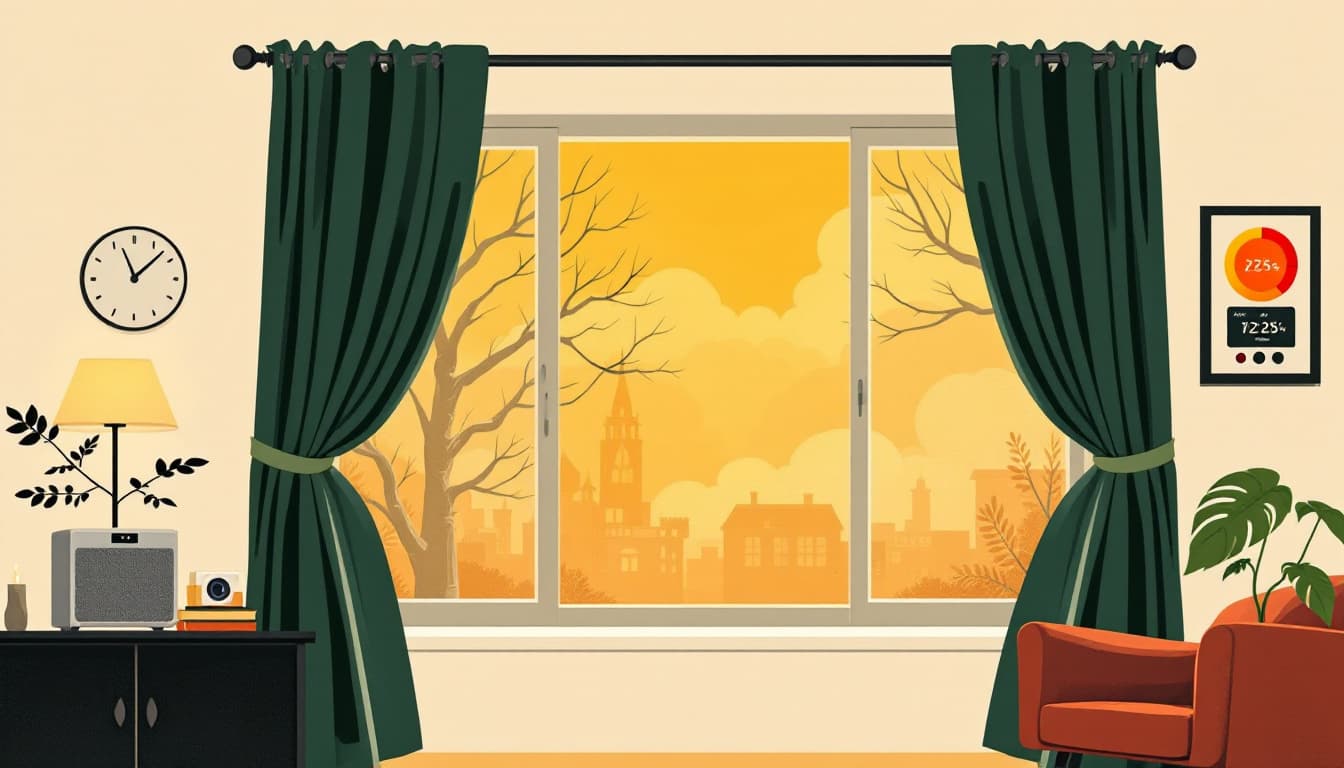
Download AirNow and set a threshold for action. The EPA's AirNow app (free) shows real-time PM2.5 readings by zip code. Decide in advance what number triggers your household protocol — windows closed, purifier running, outdoor activity canceled. An AQI above 100 is a reasonable threshold for children and sensitive adults. Above 150, it applies to everyone. Having a pre-decided rule means you're not making judgment calls in the moment.
Stock N95 respirators for outdoor exposure. Surgical masks and cloth masks do not filter PM2.5. N95s do, if worn correctly. Keep a box of 10 in a known location. They're available at hardware stores and cost roughly $1 to $2 each. If a smoke event runs long and someone needs to go outside — to commute, to check on elderly neighbors, to get to a medical appointment — they're ready.
Know where your nearest clean-air shelter is. Many counties with significant wildfire exposure now designate public buildings — libraries, community centers, rec facilities — as clean-air shelters during smoke events. Find out whether your county does this before you need it. It's often on the county emergency management website and takes three minutes to look up.
The bigger picture
Wildfire Smoke Ready Week as a public health concept reflects something real: smoke is now a recurring seasonal hazard for a much larger share of the American population than it was a decade ago. That's not a reason to panic-buy gear or move. It's a reason to treat air quality the same way you treat power outages or winter storms — something you prepare for in advance, in proportion to your actual risk.
A household with a MERV 13 filter, one HEPA purifier, a box of N95s, and the AirNow app has meaningfully better options than one without. That's a one-time investment under $200, and it holds its value across every smoke season that follows.
Durability is the goal. Not zero risk. Just fewer bad days caught completely unprepared.