A report this week from ABC15 Arizona is forecasting poor air quality alongside a toasty Fourth of July across the state. That pairing — bad air and extreme heat arriving together — is not just a comfort problem. It's a household health management problem with a narrow decision window.
Here's why that window matters: when temperatures push into the 108–115°F range that Arizona's low desert sees in early July, the instinct is to crack a window after dark and let the house breathe. When air quality is simultaneously rated Unhealthy or Unhealthy for Sensitive Groups by the Arizona Department of Environmental Quality, that instinct becomes the wrong call. The two hazards force your ventilation choices in opposite directions.
What's actually happening
Arizona's July air quality problems come from two sources that often overlap: ground-level ozone, which builds through the day as vehicle exhaust and industrial emissions cook under intense sun, and particulate matter from dust, wildfire smoke drifting from higher elevations, and fireworks. The Fourth of July adds a third layer — a concentrated, localized particulate spike from consumer and municipal fireworks that typically peaks between 9 p.m. and midnight, right when families are standing outside.
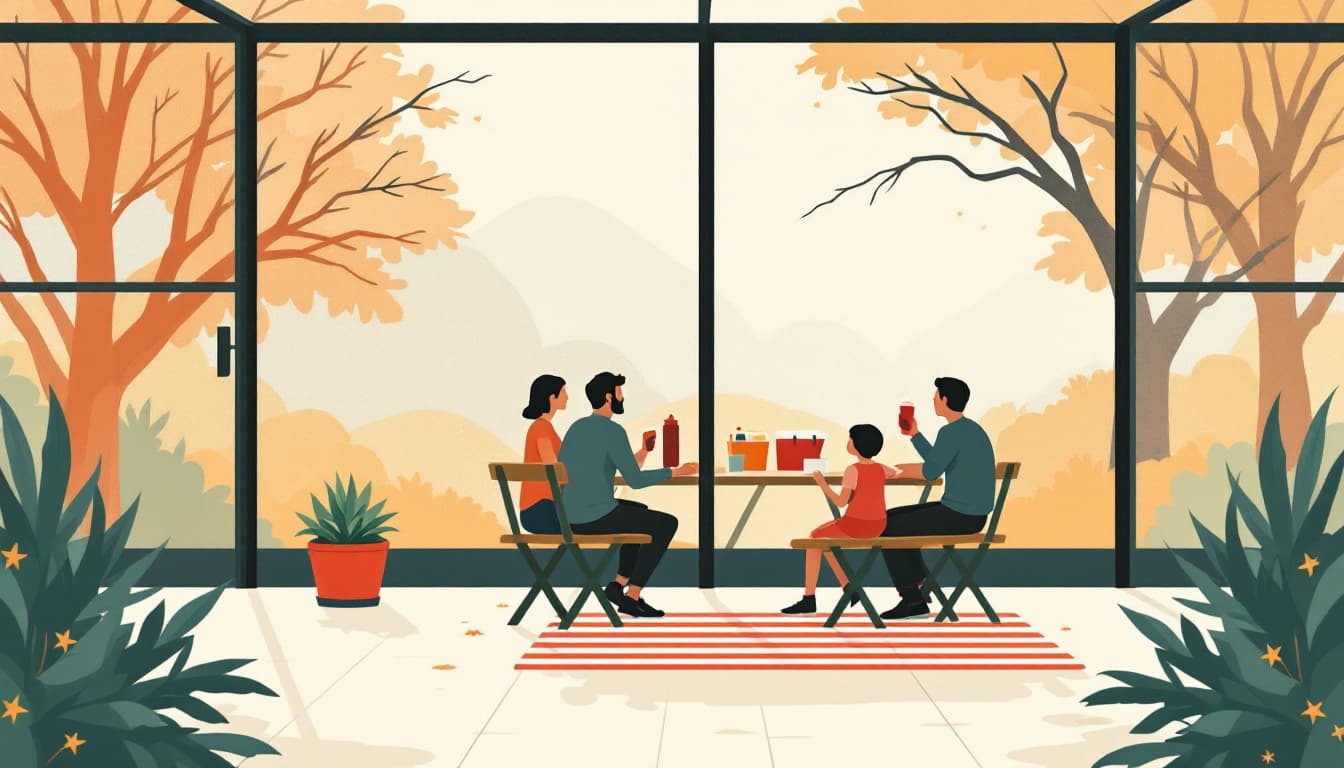
Ground-level ozone is invisible. It doesn't smell like smoke. It irritates lung tissue regardless of whether you feel it happening. Children, adults with asthma, and anyone over 65 are most vulnerable, but extended outdoor exposure at Unhealthy levels causes measurable stress in otherwise healthy adults too. ADEQ publishes real-time air quality index data at azdeq.gov — that's the number to check before you decide whether your family watches fireworks from the yard or the window.
The heat piece is straightforward by Arizona standards: this is not unusual, but it compounds everything. A body working to cool itself has less reserve to handle respiratory irritants. Hydration is not optional context; it's the baseline that makes every other protection work.
What we'd actually do
Check ADEQ's AQI forecast the morning of July 4th, not the afternoon. By midday the ozone is already accumulating. The morning reading gives you time to make a plan before guests arrive or kids make assumptions about the evening. Set a specific threshold in your household: if the AQI hits 151 (Unhealthy) by 6 p.m., you watch from inside. Make the decision rule before the holiday, not during it.
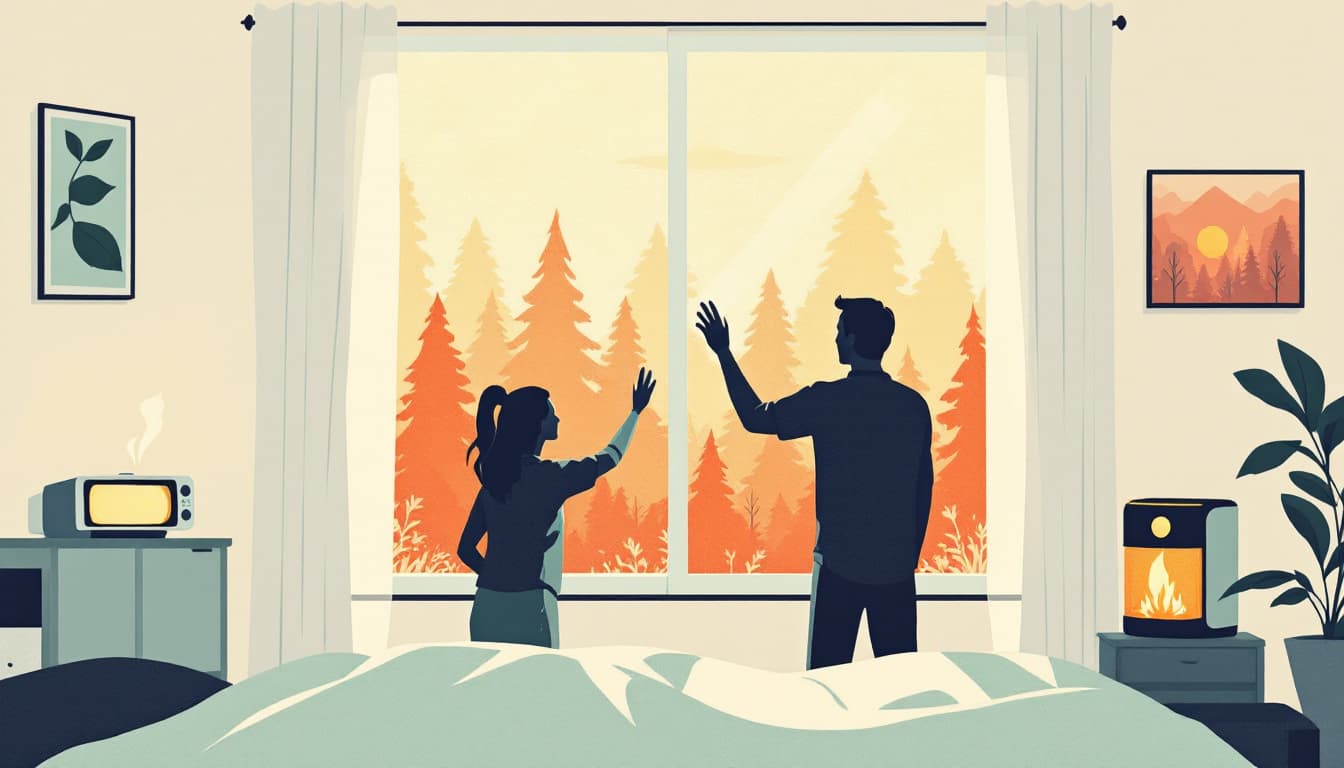
Seal up the house before noon and run the AC normally — don't "save energy" by opening windows in the evening. Arizona homes with central air are genuinely well-suited for filtering a significant portion of particulates when the system is running and windows are closed. It isn't perfect filtration, but it's meaningfully better than open windows during a fireworks spike. If your AC has a fresh-air intake, check whether you can manually close it; many Arizonans don't realize their systems are pulling outdoor air in.
Put a box fan fitted with a MERV-13 filter in a main living room before the weekend. This is the most-discussed DIY air purifier approach in indoor air quality research — a box fan with a furnace filter taped to the intake side. It costs roughly $30–50 total if you don't already own one. It won't eliminate smoke or ozone, but it reduces particulate load measurably in the room where people spend the most time. Do this now so you're not looking for a MERV-13 filter on the Fourth.
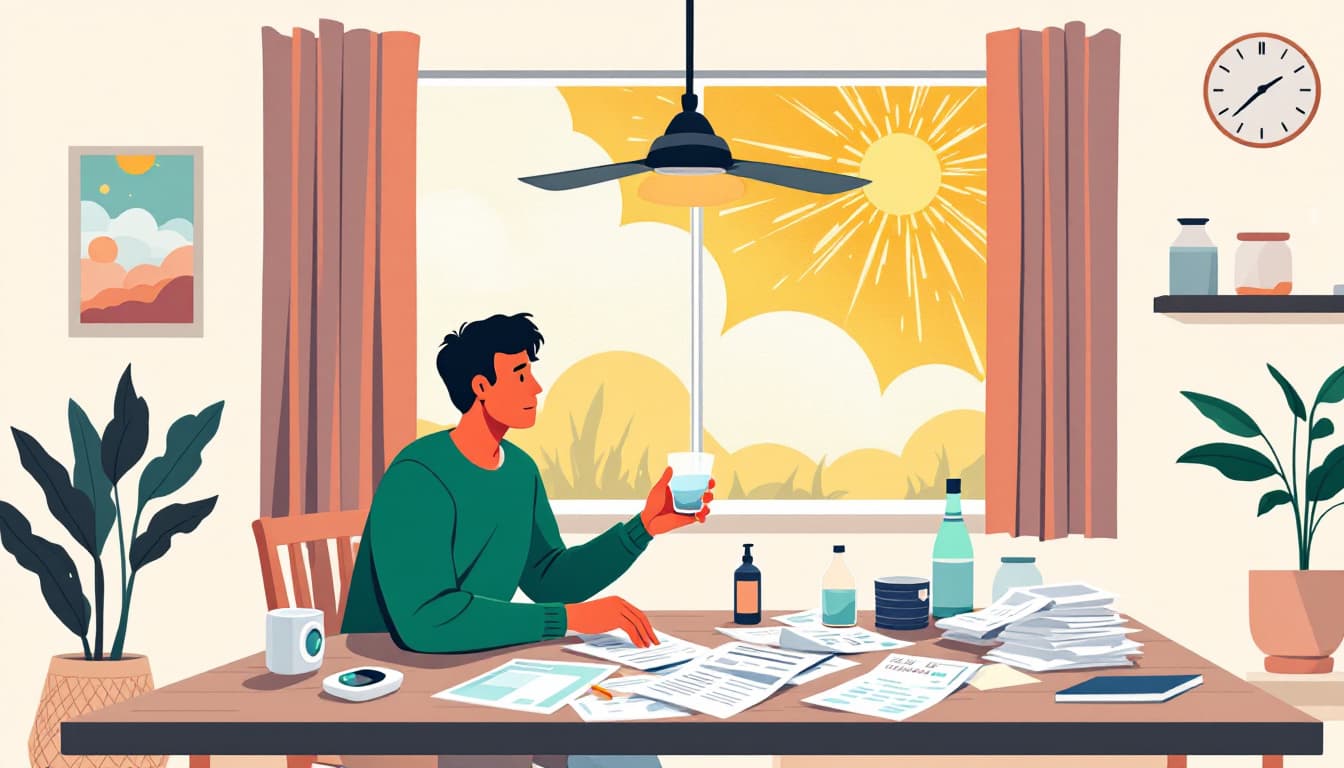
Stage hydration for outdoor time specifically, not just general daily intake. If you're outside between 7 and 9 p.m. — which is still 100°F or warmer across the Phoenix metro in early July — adults need water before they feel thirsty. A useful rule: 8 oz before going out, 8 oz every 20 minutes while out. Kids need prompting; they will not self-regulate. Keep a cooler near the door so the barrier to drinking is zero.
Know the two closest cooling centers to your address before the weekend. Maricopa County maintains a network of cooling centers with updated hours; so does Pima County for Tucson-area residents. These are not just for unhoused individuals — they're a legitimate backup if your AC fails on a holiday weekend when HVAC crews are overloaded. Write the address down. Don't assume you'll find it easily under stress.
The bigger picture
Arizona's summer hazards are not new, and most households here have learned to manage heat. What's worth paying attention to is the compound risk: heat plus poor air quality requires you to make trade-offs that heat alone doesn't. The families who navigate these days well are the ones who made their decisions in advance, using actual local data, rather than improvising at 8 p.m. when everyone is already outside and the fireworks have started.
Durability isn't about having the right gear. It's about making low-cost, specific decisions before the pressure is on. This weekend offers a low-stakes practice run for exactly that kind of household planning.