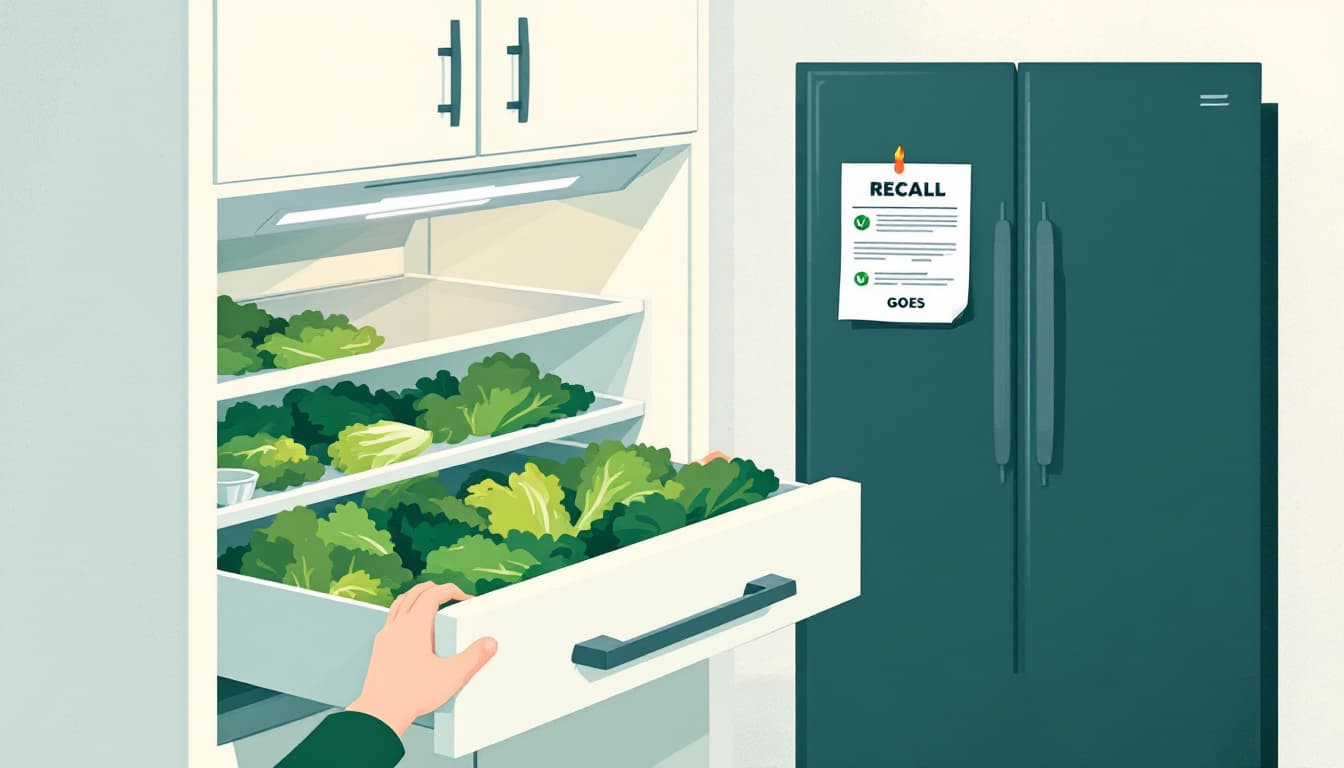
A report this week from AZ Family flagged a recall on a seasoning blend linked to possible Salmonella contamination. No outbreak numbers were published in the initial report, and the FDA's recall database is the place to confirm whether a specific product in your cabinet is affected. But the recall itself is almost beside the point. The more useful question it surfaces is this: do you actually know what's in your pantry, when you bought it, and whether it's been sitting in a 95-degree garage since last September?
What's actually happening here
Seasoning blends sit in a strange category in most households. They're small, cheap, and easy to forget. They also concentrate dried plant material from multiple supply-chain sources, which is exactly the profile that has generated a steady stream of Salmonella and E. coli recalls over the past several years. The FDA issues dozens of spice and seasoning recalls annually — most quietly, most without consumer injury reports.
For Arizona households, there's a compounding factor: heat. Phoenix and Tucson summers push ambient garage and pantry temperatures well above what food manufacturers assume when they print "store in a cool, dry place." Pathogens aside, heat degrades the protective barriers in dried herb and spice packaging faster than the stated shelf life accounts for. A blend that would last two years in a Minnesota kitchen may be compromised well before that in a Scottsdale pantry that hits 90°F indoors on a June afternoon.
This is the gap that preparedness culture tends to skip. The standard advice — build a three-month food supply — says nothing about what happens to that supply over time, or whether the household will ever actually check it.
What we'd actually do
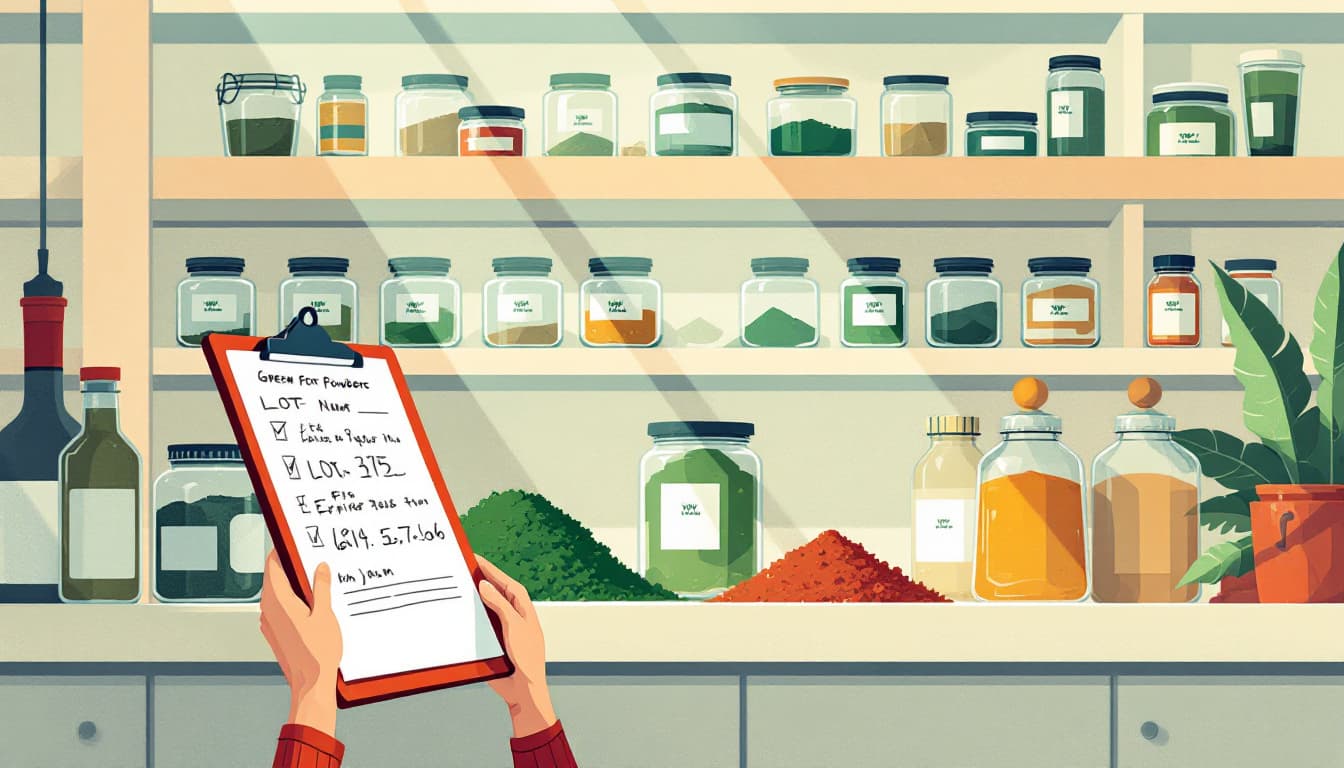
Check the FDA recall database directly, today. Go to fda.gov/safety/recalls-market-withdrawals-safety-alerts and search for the product category. The AZ Family report named a specific seasoning blend; match it against what's in your cabinet by UPC or lot code, which the FDA listing will include. This takes four minutes.
Identifying the recalled product is the floor, not the ceiling. While you're in the pantry, do a full spice-and-seasoning audit. Pull everything out, check the "best by" dates, and toss anything that's been open for more than two years or that smells flat. Spices don't spoil in a way that will hurt you the way Salmonella can, but degraded seasoning blends are also a signal that your rotation habits aren't working. If the thyme has been in the cabinet since 2022, so has something else you haven't thought about.
Move your dry goods out of the garage if they're stored there. This is specific to Arizona. A dedicated indoor pantry shelf — even a plastic shelving unit in a closet — keeps food at significantly lower temperatures through June, July, and August. FEMA's household food storage guidance recommends storing food below 70°F where possible; Arizona garages routinely exceed that by 20 to 30 degrees from May through October. That's not a theoretical concern. It shortens shelf life and, in the case of products that are already marginal, can accelerate bacterial growth if packaging is compromised.
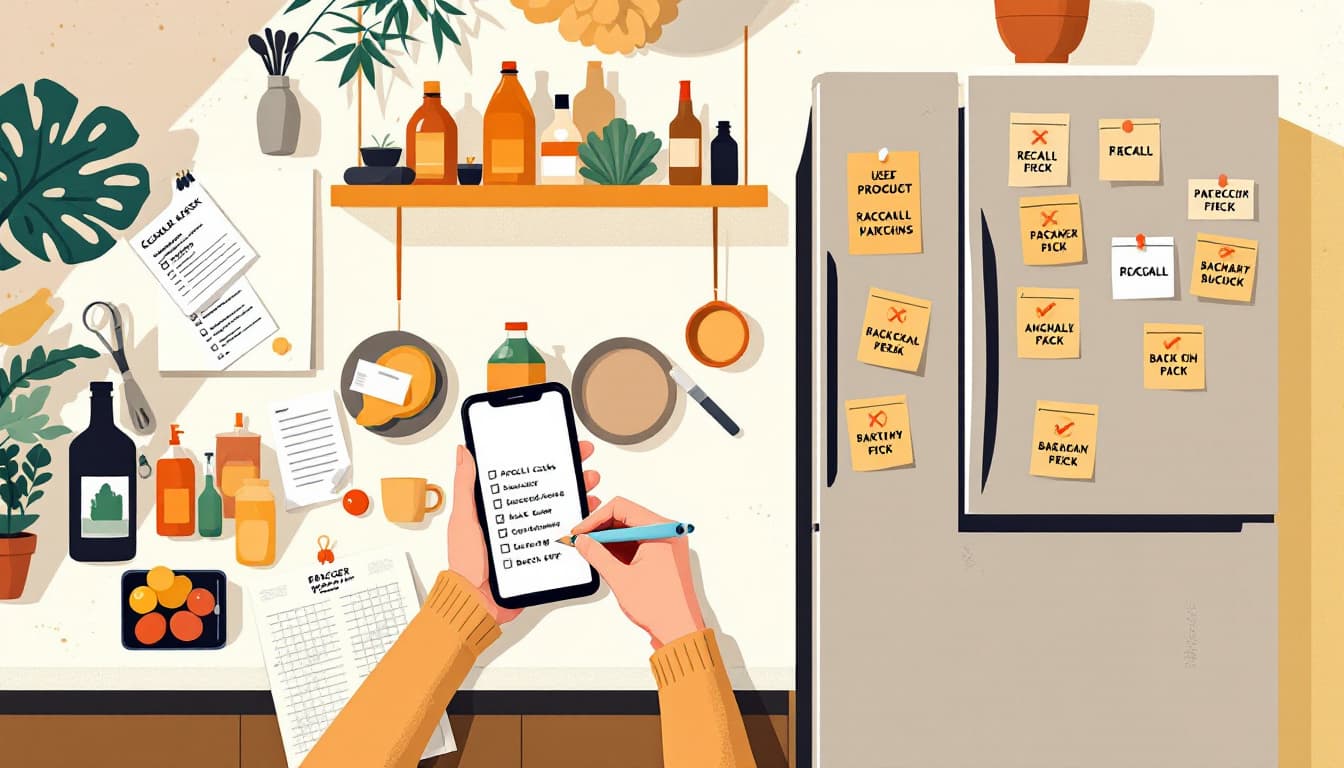
Set a calendar reminder for a quarterly pantry check. Pick a date — the first weekend of September, December, March, and June works well for Arizona because it brackets the brutal heat season on both ends. The check takes 20 minutes: pull dates, rotate front-to-back, note what needs replacing. A stockpile that isn't maintained is not a preparedness asset; it's a delayed food-safety problem.
Sign up for FDA MedWatch recall alerts by email. The FDA will push notifications to your inbox when a recall is issued in a category you care about. It's free, takes two minutes to configure, and means you don't have to wait for a local news report to find out your pantry is affected.
The bigger picture
Preparedness is not about accumulating things. It's about maintaining systems. A pantry full of expired, heat-damaged, or recalled product gives a household the feeling of readiness without the substance of it. The goal is a kitchen that could actually feed your family well for two weeks if supply chains hiccupped — not a cabinet that looks full but hasn't been touched since the last news cycle scared you into buying things.
The recall flagged by AZ Family this week is a low-stakes event. Treat it as a free audit trigger. The habits you build checking for it are the same ones that will matter when the stakes are higher.