A recall of marijuana products in Arizona due to possible fungal contamination — reported this week by AOL.com — landed quietly in the news cycle. No one panicked. Most people scrolled past. But for the roughly 200,000 Arizonans who hold active medical marijuana cards, and the considerably larger number who purchase cannabis recreationally, this is the kind of story worth sitting with for five minutes.
What's actually changing
Arizona's cannabis industry operates under the Arizona Department of Health Services (ADHS), which licenses dispensaries and sets testing requirements. But cannabis testing oversight is not equivalent to FDA pharmaceutical oversight. Labs that test cannabis products are state-licensed and privately operated — the same fundamental structure exists in most legal states. When contamination slips through, recalls are issued after the fact, not before product reaches shelves.
Fungal contamination in cannabis is not exotic. Aspergillus species — the primary concern for immunocompromised patients — can survive in dried plant material and in certain concentrate or edible manufacturing environments. Arizona's heat makes outdoor fungal growth less common than in humid states, but indoor cultivation environments can harbor mold if humidity controls fail. For most healthy adults, exposure to low levels is unlikely to cause serious illness. For someone undergoing chemotherapy, managing an autoimmune condition, or living with HIV, inhaling or ingesting fungal spores is a genuine clinical risk.
The recall also surfaces a broader preparedness blind spot: many households that rely on cannabis for pain management, sleep, or anxiety don't treat it the same way they treat prescription medications. They don't track lot numbers. They don't check recall databases. They don't have a backup plan if their preferred product disappears from shelves for two weeks.
What we'd actually do
Check the ADHS recall list before your next dispensary visit. The Arizona Department of Health Services maintains a public-facing list of recalled cannabis products. Bookmark it. It takes thirty seconds to cross-reference a product name or lot number. If you purchased something in the last sixty days, check now.
Dispensaries are required to notify customers of recalls, but that notification often comes via email or app notification — systems you may have opted out of or ignored. Don't rely on the dispensary to reach you. ADHS posts recalls directly, and that's the authoritative source. Get in the habit of checking it the same way you'd check a food recall from the FDA.
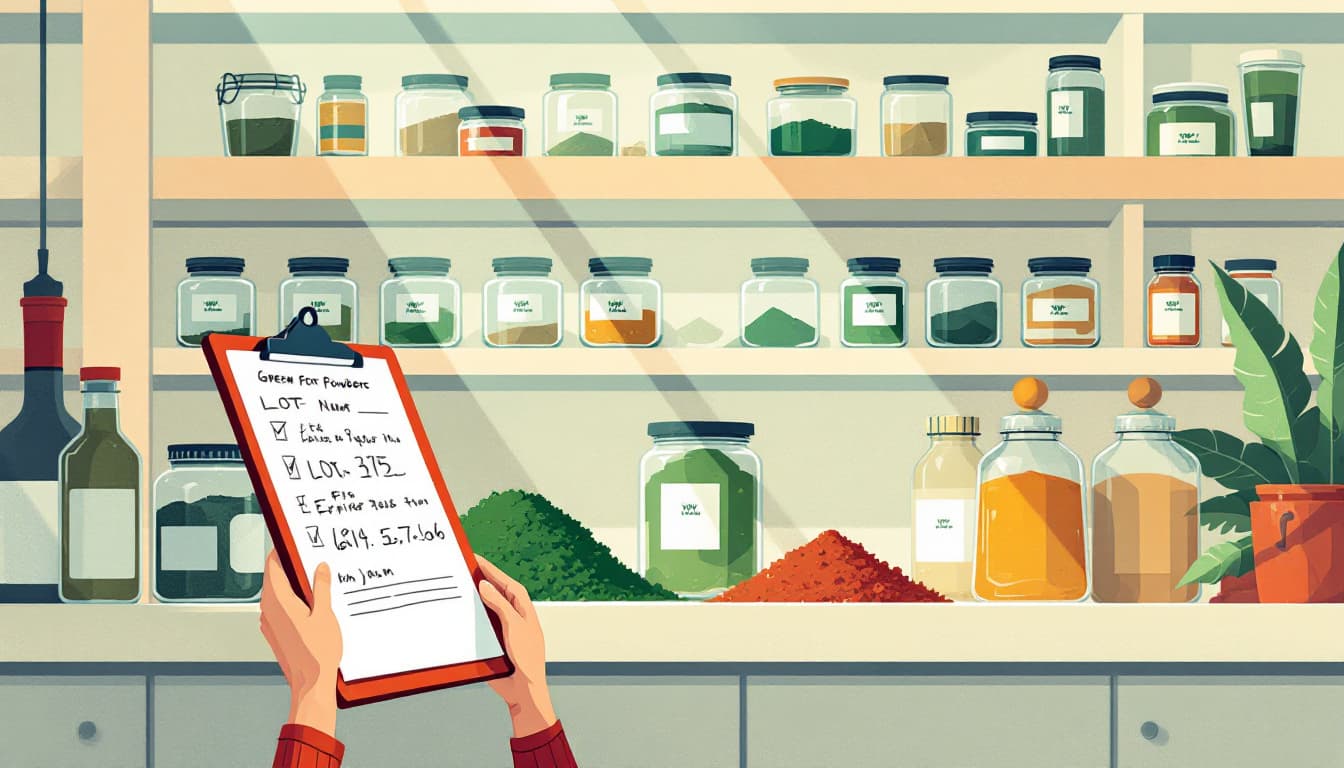
If you use cannabis medicinally, document your products like medication. Take a photo of the label, including lot number, when you open a new product. Keep it in a folder on your phone. This is the same practice pharmacists recommend for any supplement or OTC medication. If a recall is issued after you've already consumed most of a product, you'll still know whether you were exposed.
Build a two-week buffer for medical users who depend on cannabis for symptom management. A recall can pull a specific product from shelves with little warning. If you use cannabis to manage chronic pain, nausea, or seizures — conditions where a sudden gap in supply has real consequences — having a modest reserve isn't paranoia. It's the same logic as not letting a blood pressure prescription run to zero before refilling.
Know your dispensary's return and exchange policy for recalled products. Arizona dispensaries are generally required to accept returns on recalled items, but the process varies. Ask before you're in the middle of it. A five-minute conversation now saves a frustrating one later.
The bigger picture
This recall isn't a sign that Arizona's cannabis industry is collapsing or that dispensary products are uniquely dangerous. It's a sign that any supply chain — cannabis, produce, pharmaceuticals, canned goods — can and does fail. The response isn't to stop buying; it's to apply the same low-level vigilance you'd apply to anything else you consume.
The households that handle disruption best aren't the ones with the most gear. They're the ones with the most awareness: they know what's in their medicine cabinet, they track what they're consuming, and they've thought through what happens when a product they depend on disappears for two weeks.
That's not prepping. That's just paying attention.