A report this week from Ashe Post & Times confirms that Ashe County — in the far northwestern corner of North Carolina, elevation above 3,000 feet in places — remains classified under severe drought conditions. That classification is not a weather complaint. It sits two rungs below the top of the U.S. Drought Monitor's five-tier scale, and it carries real consequences: reduced streamflow, dropping well levels, stressed municipal reserves, and livestock and garden losses that compound week over week the rain doesn't come.
The high country is not supposed to dry out this way. Ashe, Watauga, Alleghany, and their neighbors typically receive enough orographic rainfall to buffer against the kind of sustained deficits hitting the western Piedmont and Foothills. When the mountains are drying, the drought's footprint across the state is almost certainly larger than the headlines suggest.
What's actually changing
Severe drought in a region heavily dependent on shallow wells and small municipal systems means a few concrete things for households. First, private wells in mountainous terrain tend to be shallow — often less than 100 feet — and they respond to precipitation deficits faster than deep aquifer wells in the Piedmont. Families on well water in Ashe and neighboring counties may already be seeing reduced pressure or discolored water. Second, small municipal systems with surface-water intakes — drawing from the New River, Elk Creek, or similar — have less margin when flows drop. Stage 1 or Stage 2 water restrictions can arrive with less than two weeks' notice. Third, the timing matters: July is the beginning of the highest household water-use window, not the end of it.
The NC Department of Environmental Quality maintains a drought management advisory system, and the NC Drought Management Advisory Council meets regularly to update county-level conditions. If you are in Ashe or an adjacent county and are not already monitoring those updates, that changes today.
What we'd actually do
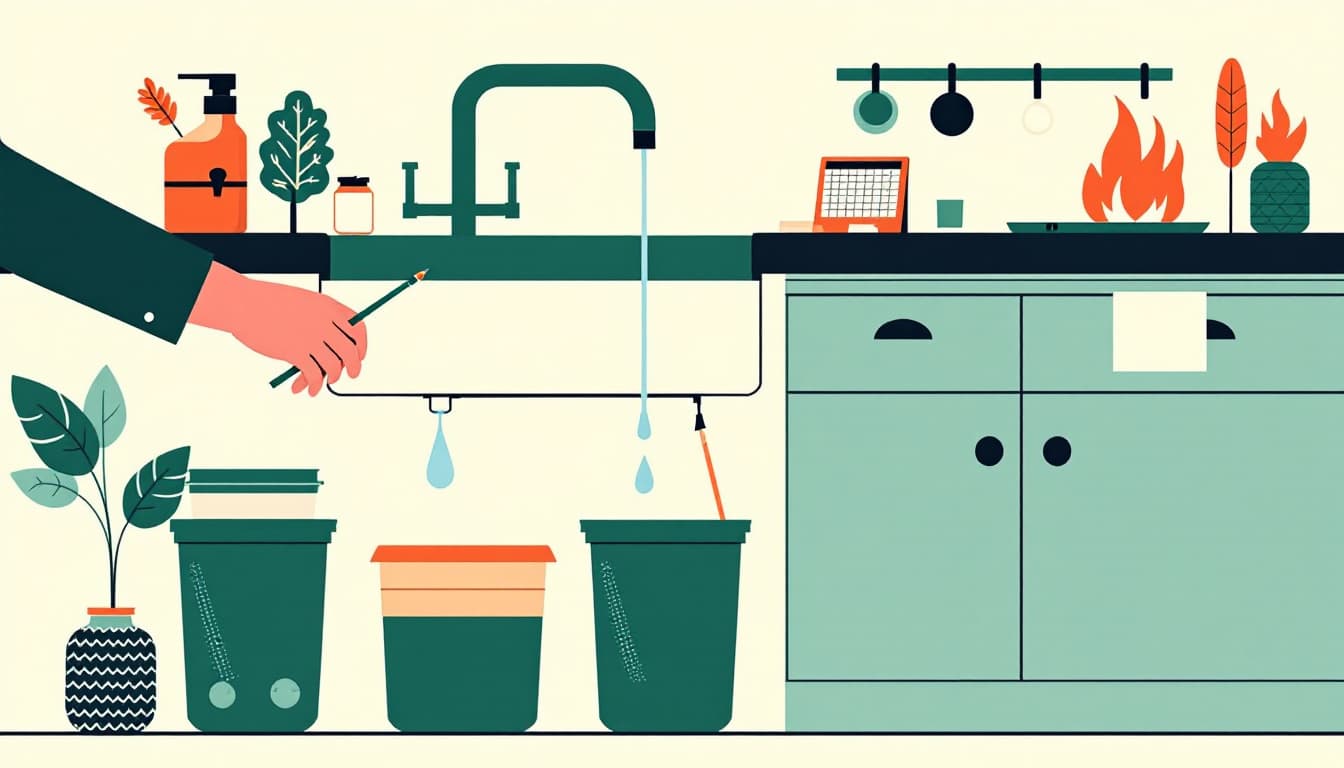
Check your well's recent flow rate and note the date. Have someone time how long it takes to fill a five-gallon bucket at your kitchen tap at normal pressure. Write that number down. If you repeat this test in two weeks and the flow has dropped meaningfully, you have an early signal that your water table is falling before it becomes an emergency. This costs nothing and takes four minutes.
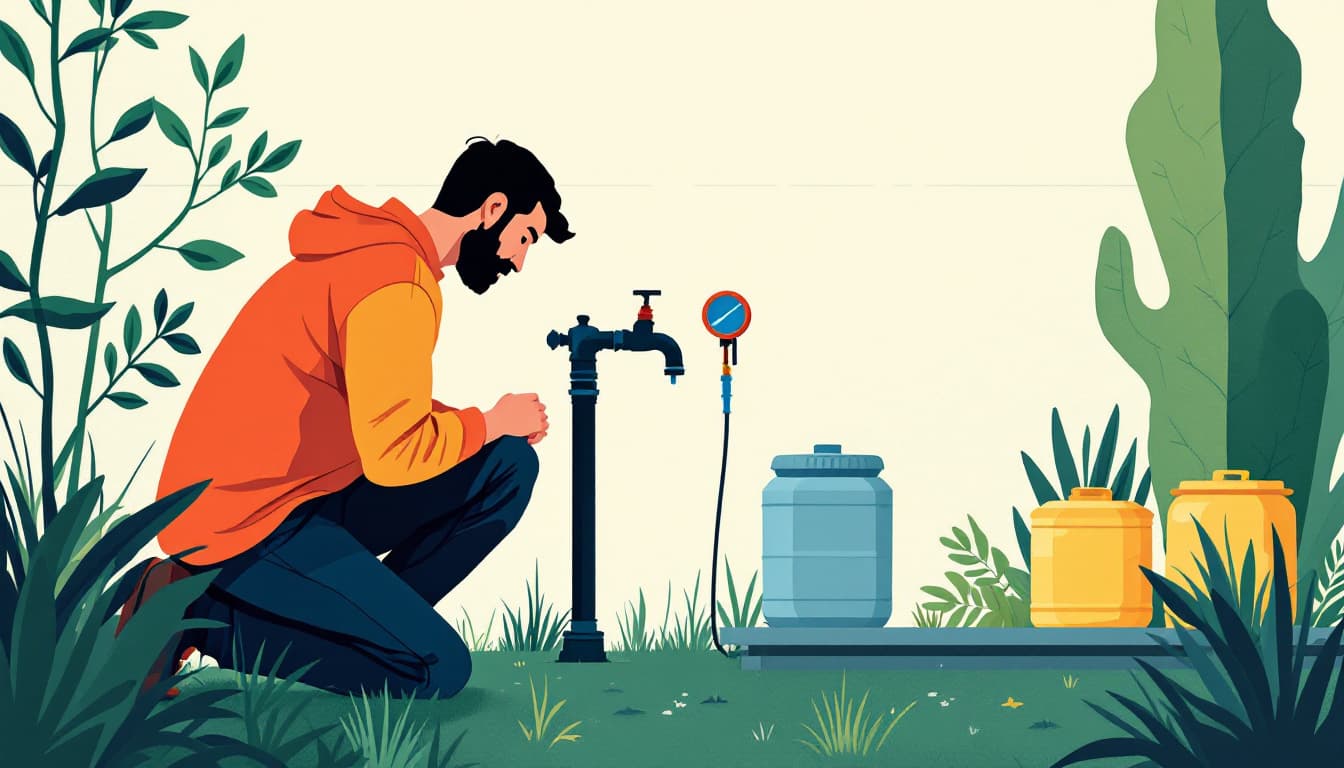
Fill and store at least two weeks of drinking water now, before any restriction notice. The standard guidance is one gallon per person per day for drinking and basic sanitation. A family of four needs roughly 56 gallons for two weeks. Food-grade 5-gallon jugs from a hardware store, filled from your tap today, give you a buffer if restrictions or a well failure arrive simultaneously. Rotate them every six months.
Locate your municipality's current drought stage — or your county's, if you're on well water. The NC DMAC website and your county's water utility both publish current restriction stages. Knowing Stage 1 rules before they apply means you're not scrambling. Stage 1 typically restricts outdoor irrigation; Stage 2 often limits car washing, pool filling, and commercial lawn services. Stage 3 starts touching indoor use. Read the rules now.
Audit your largest indoor water draws this weekend. Toilets and clothes washers account for more than half of indoor residential water use. If you have a pre-1994 toilet, it likely uses 3.5 or more gallons per flush. A single displacement bag or brick in the tank — not a retrofit, just a displacement method — cuts that by a meaningful fraction. Washing full loads only and switching to cold-water cycles saves both water and electricity.
If you have a garden, shift watering to pre-dawn hours immediately. Midday evaporation in a North Carolina July can waste 30 to 50 percent of what you apply before it reaches roots. A soaker hose or drip emitter run between 4 and 6 a.m. delivers the same moisture with significantly less volume. This is not a drought tip — it is standard summer practice that most households skip until they are already under restrictions.
The bigger picture
Ashe County's drought is not the end of the world. It is a legible signal that the western NC high country's water systems — private wells, small municipal intakes, the rivers and streams that feed both — are under stress in midsummer, with weeks of peak demand still ahead. Households that monitor their conditions, build a small water reserve, and reduce waste before restrictions arrive will not experience a crisis. Households that wait for a boil notice or a Stage 3 alert will spend that week in a scramble.
Durability in preparedness is not about stockpiling against catastrophe. It is about noticing what is actually happening in your county and taking the boring, low-cost steps before you are forced to.