A frozen cheese bread product sold at Costco and Walmart locations nationwide is being recalled over potential Salmonella contamination, according to a report this week from People.com. If you have one of those warehouse-club bags sitting in your freezer right now — picked up on a Sunday Costco run somewhere between Fresno and Folsom — this is the moment to check.
But the recall itself is almost secondary. The more useful question is what it reveals about how most households in California actually manage their frozen food supply.
What's actually changing
Recalls on frozen, ready-to-bake products are not unusual. The USDA and FDA issue dozens per year. What makes them land differently for households that have built up larger freezer stores — something California emergency preparedness guidance actively encourages given wildfire season and earthquake risk — is that the deeper your freezer rotation, the harder it is to know what's in there and when you got it.
Salmonella in a frozen product doesn't mean the item was unsafe at the moment you froze it. Cross-contamination or manufacturing issues can affect batch runs that span weeks. That's why lot numbers and UPC codes matter more than a "looks fine" visual inspection. A frozen product showing signs of Salmonella contamination looks exactly like one that doesn't.
California households also face a compounding variable: power outages from PSPS events (the rolling shutoffs PG&E and SCE use during high wildfire risk periods) can cause partial thaw-and-refreeze cycles that change the safety math on any frozen food. A product that was borderline is now a bigger problem.
What we'd actually do
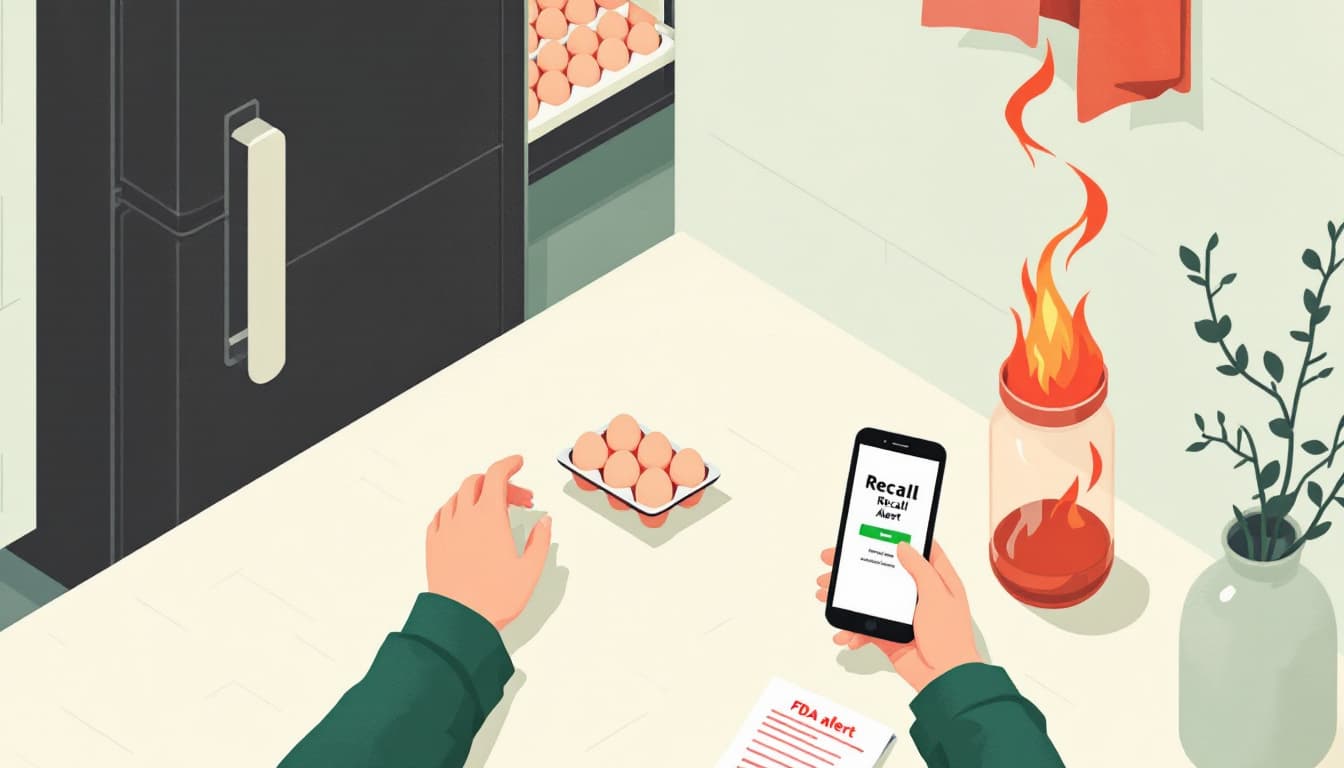
Check your freezer against the FDA recall database today, not eventually. Go to fda.gov/safety/recalls-market-withdrawals-safety-alerts and search by product type. The FDA maintains a running list and includes lot numbers. This takes four minutes. Most households skip it because recalls feel abstract until someone gets sick.
Frozen food accumulates faster than most families realize, especially in California households that do monthly Costco or Smart & Final runs to manage budget and earthquake preparedness simultaneously. Set a physical reminder — a piece of tape on the freezer door works — to do a recall check on the first of each month. The FDA sends email alerts if you subscribe, but the list moves fast and the emails are easy to miss.
Write the purchase date on everything you freeze, including store-bought items still in original packaging. A Sharpie on the box takes three seconds. This sounds tedious until you're staring at two identical bags of frozen bread and trying to remember which one came from the trip before the PSPS shutoff in October. California's wildfire season runs roughly May through November, and that's also when freezer disruptions are most likely. First in, first out only works if you know what came in first.
Know your lot numbers before you need them. When a recall drops, the relevant information is the UPC code and the lot number stamped on the package — not the product name. Train yourself to look at the package bottom or side when you buy frozen items. You don't need to log every number; you need to know where to find it fast.
If you're in a PSPS-prone area of California, build a printed recall-response card into your emergency binder. This card should list your freezer contents (updated quarterly), the FDA recall URL, and a note that any product partially thawed during an outage needs to be treated as if the cold chain broke — because it did. Cal OES and county emergency management offices publish household preparedness guides that include food safety sections, and those are worth downloading once and printing.
The bigger picture
A bag of cheese bread is a small thing. Salmonella is not small — it hospitalizes tens of thousands of Americans annually, and young children and immunocompromised adults face serious risk. The households most vulnerable to a freezer-based foodborne illness event are also the ones most likely to have built up a deeper frozen food supply in response to reasonable preparedness advice.
The goal of a well-stocked pantry and freezer is resilience. A freezer full of food you can't confidently track is a liability dressed up as a safety net. This recall is a good reason to spend twenty minutes this week getting that inventory under control.
Durability looks like knowing what you have, knowing when you got it, and knowing how to check it against a public safety database without a crisis driving you to do it.