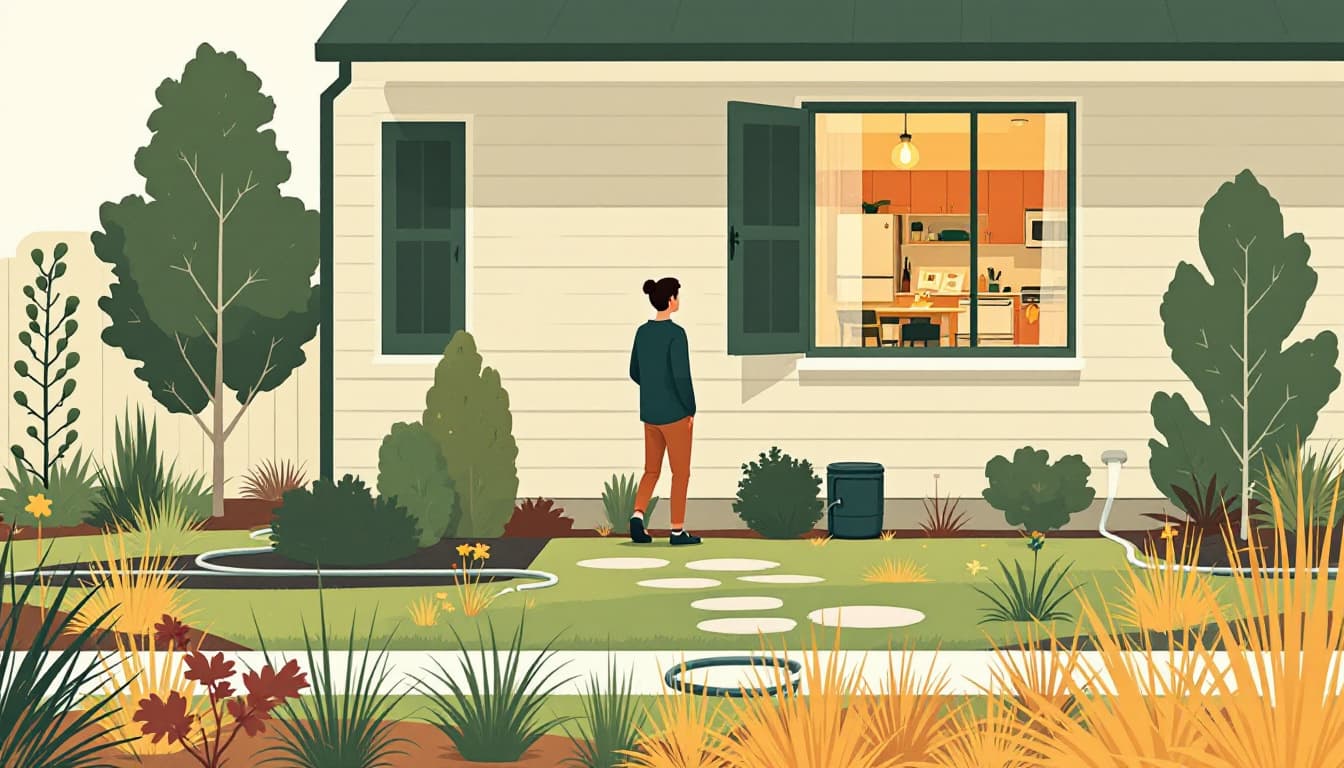
The message coming from Colorado landscape professionals this June is blunt: stop waiting for the grass to come back. A report from The Colorado Sun describes experts urging residents across the state to "embrace the beige" — to treat brown, dormant, or xeriscaped yards not as a failure of maintenance but as a rational response to a drier baseline. The framing is cultural as much as horticultural. What sounds like lawn advice is actually a leading indicator about water.
What's actually changing
Colorado sits at the headwaters of two major river systems, and recent years of below-average snowpack have translated directly into reduced reservoir storage and tighter municipal water allocations. Cities along the Front Range — Denver, Aurora, Colorado Springs, Fort Collins — have tiered pricing structures that already penalize heavy outdoor water use. Several Western Slope communities operate under curtailment agreements that can restrict deliveries during low-flow years.
The "embrace the beige" framing matters because it signals that water utilities and land managers are no longer treating drought as an exception to plan around. They are treating it as the norm to plan within. When professionals shift their public messaging from "conserve this year" to "redesign your expectations permanently," that's worth taking seriously at the household level.
For renters and homeowners alike, this shift has practical implications that go beyond the yard. Municipal water systems under chronic stress are more likely to issue outdoor watering restrictions, implement tiered-rate increases, and in extreme cases, face supply interruptions during peak summer demand. Colorado's water rights system — one of the most complex in the country, built on prior appropriation — means municipal utilities themselves are vulnerable when senior water rights holders upstream exercise their claims.
None of this means your tap is about to run dry. It means the cost and reliability of water at the household level will likely look different in ten years than it did ten years ago.
What we'd actually do
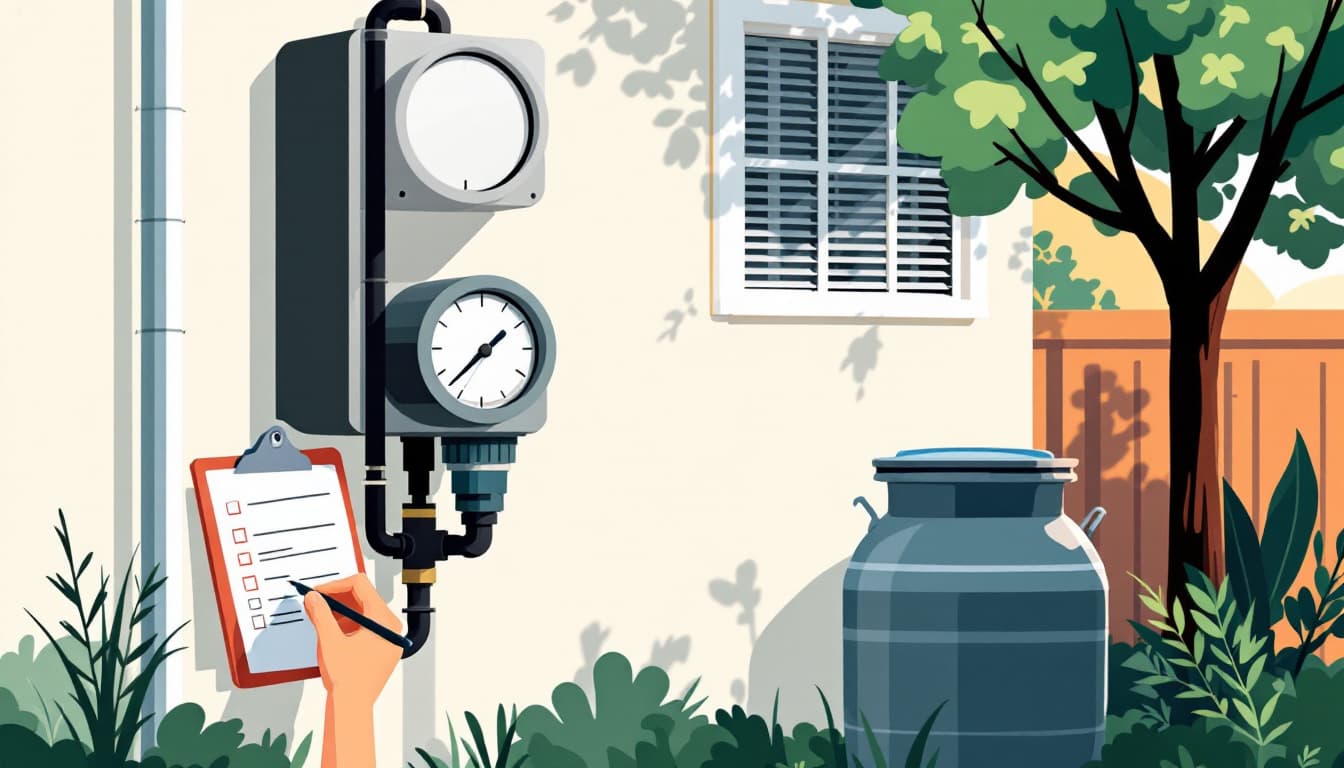
Audit your outdoor water use first, because that's where the leverage is. Indoor per-person water consumption in Colorado is fairly consistent across households. Outdoor irrigation is where usage varies by a factor of three or four. Pull your last three summer utility bills and compare your peak-summer usage to your winter baseline. The gap is almost entirely irrigation. That gap is also the first thing utilities target when they impose restrictions.
Replace one section of turf with a drought-tolerant groundcover this summer, not the whole yard. Whole-yard xeriscaping projects can cost $10,000 or more. You don't have to do it all at once. Colorado State University Extension has free, regionally specific plant lists for Front Range and mountain communities. Choose one high-visibility section — the parkway strip between sidewalk and street is often the highest-water, lowest-use area on a residential lot — and replace it with buffalo grass, blue grama, or native ground covers. Many municipalities, including Denver Water customers, offer rebates for turf removal that can offset material costs.
Store a meaningful amount of potable water before July. FEMA guidance on household water storage (one gallon per person per day for two weeks) is a reasonable minimum, but most Colorado households don't meet it. A boil-water advisory or a short-duration pressure failure during a high-demand period is more likely than a total supply interruption, but either disrupts a household fast. Forty-gallon food-grade containers cost roughly $30–$50 each and fit in a garage or basement. Fill them now, before August heat drives reservoir levels lower.
Understand your water source and its known vulnerabilities. Colorado's utilities are required to publish annual water quality and supply reports. Look yours up. Denver Water publishes a supply outlook. Aurora Water publishes reservoir storage data. Colorado Springs Utilities does the same. Knowing whether your utility draws from snowmelt storage, groundwater, or a combination tells you which weather signals to watch in winter and spring.
If you have a well, get it tested and serviced this year. Roughly 14 percent of Colorado households rely on private wells, according to state health department data. Drought lowers water tables. A well that performed fine at 150 feet for 20 years may need to be deepened or have its pump repositioned. Testing costs around $200–$400 for a comprehensive panel. It is not optional infrastructure.
The bigger picture here is not catastrophe — it's recalibration. Colorado has always been a semi-arid state. The cultural expectation of green lawns and unlimited cheap water was always more aspirational than ecological. What landscape experts are calling "embracing the beige" is really just honesty about the environment that was always there.
Durable households in Colorado are ones that have already started adjusting their assumptions: lower outdoor water use, some basic storage, and a clearer sense of where their water actually comes from. None of these are expensive. All of them reduce exposure to something that is genuinely getting tighter.