A nonprofit is now in the business of buying water so rivers have enough flow to keep fish alive. That sentence tells you something about where Colorado's water situation actually stands in spring 2026.
A report this week from The Colorado Sun describes a program in which a Colorado nonprofit is purchasing water rights — temporarily redirecting them back into stream flows — as a way to protect aquatic ecosystems while also giving over-stretched agricultural operations some financial breathing room. It is a creative arrangement. It is also a sign that the usual tools are running short.
What's actually changing
Colorado has always managed water scarcity. The prior appropriation doctrine — "first in time, first in right" — is older than the state itself. What's different now is that drought conditions are being described at the state level as record-level, meaning the slack in the system that normally cushions a dry year is largely gone.
When nonprofits step in to buy water for fish, it means the regulatory infrastructure wasn't designed for this level of demand compression. Agriculture, municipalities, energy production, and ecological minimums are all pulling from the same shrinking pool.
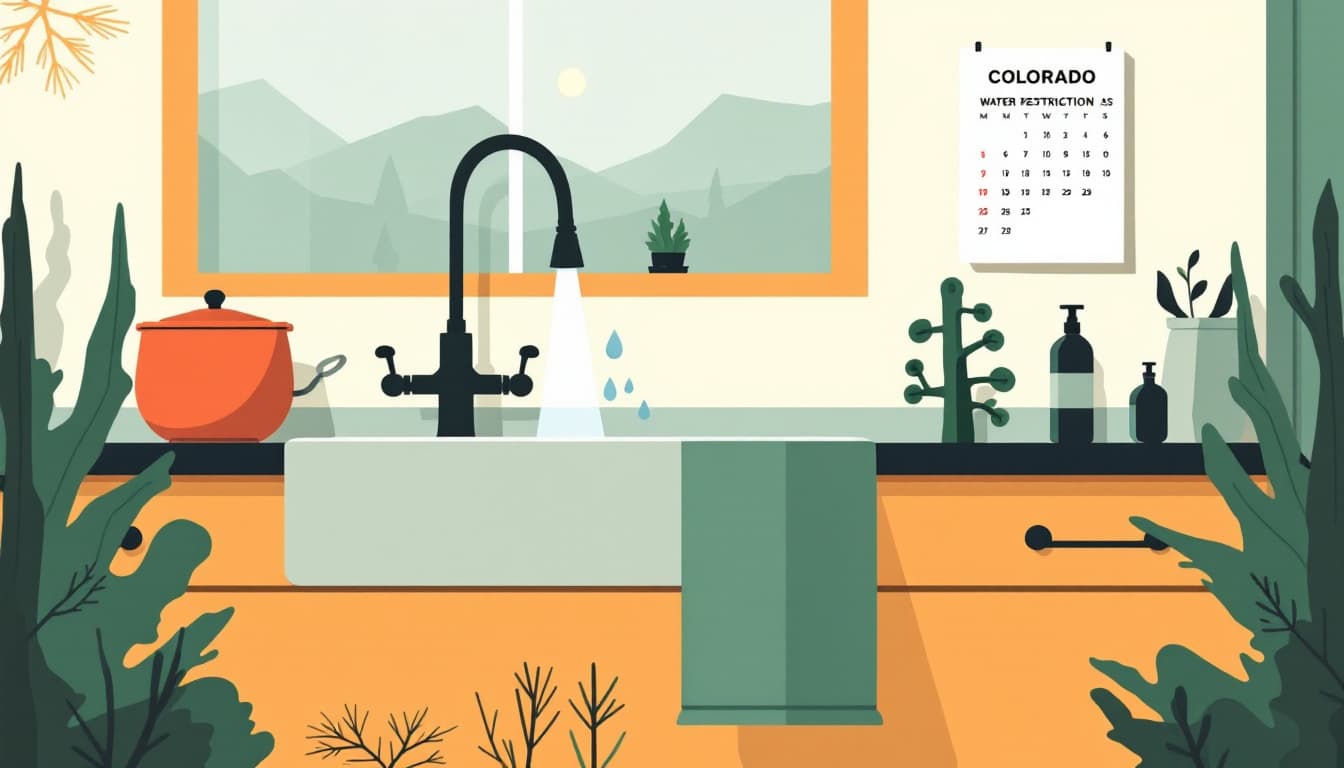
For households, the practical translation is straightforward: Front Range water utilities, Western Slope communities, and rural well-dependent properties are all operating with less buffer than they were five years ago. That doesn't mean taps go dry next month. It does mean conservation mandates, tiered pricing penalties, and outdoor watering restrictions are more likely — not less — over the next several summers. The Colorado Water Conservation Board has been warning about structural supply gaps for years. That warning is becoming operational.
There's a secondary issue that affects family budgets indirectly. Colorado agriculture — particularly the Western Slope's fruit and vegetable production, and Eastern Plains grain and livestock — runs on water. When farms stress or fallout, regional food prices feel it. Not immediately, and not uniformly, but the connection is real.
What we'd actually do
Check your utility's current drought stage and outdoor watering schedule now, before summer billing cycles hit. Most Colorado Front Range utilities — Denver Water, Aurora Water, Colorado Springs Utilities — publish drought status pages and tiered rate structures. If you're already in Stage 1 or higher, exceeding your tier means paying two to three times the base rate per gallon. Knowing your household's baseline usage before the high-use months gives you something to manage against.
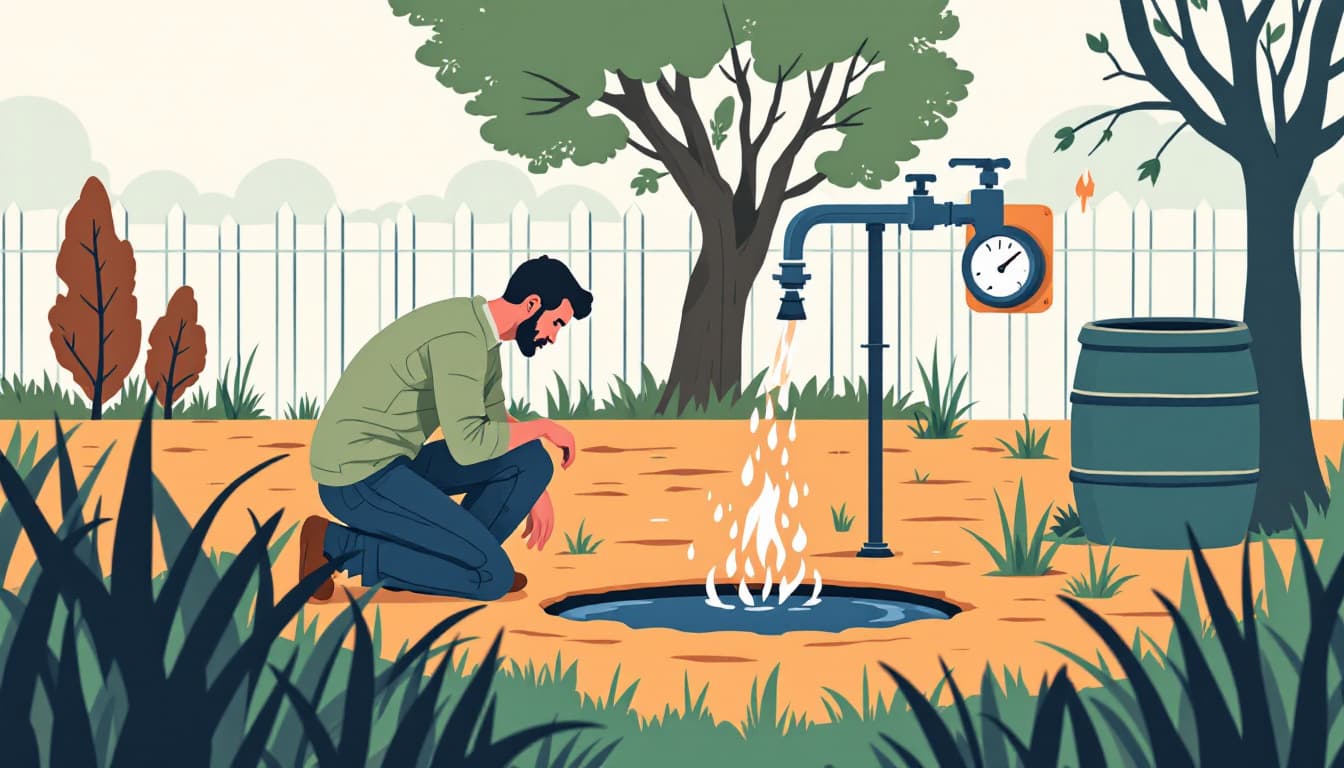
If you have a yard, audit your irrigation system this week. A single broken drip emitter or a misaligned spray head can waste hundreds of gallons per week. Most Colorado water utilities offer free or subsidized irrigation audits — Denver Water's program has offered rebates on smart controllers for years. A one-hour audit now can cut your July bill and keep you out of penalty pricing territory.
For households on private wells in drought-affected counties, get a water level measurement this season. Well depth data from past years is nearly useless in a record drought year. The Colorado Division of Water Resources maintains well permit records, and many counties have extension offices that can help you interpret declining static water levels. If your well serves as your only supply, understanding its current performance before August is not optional.
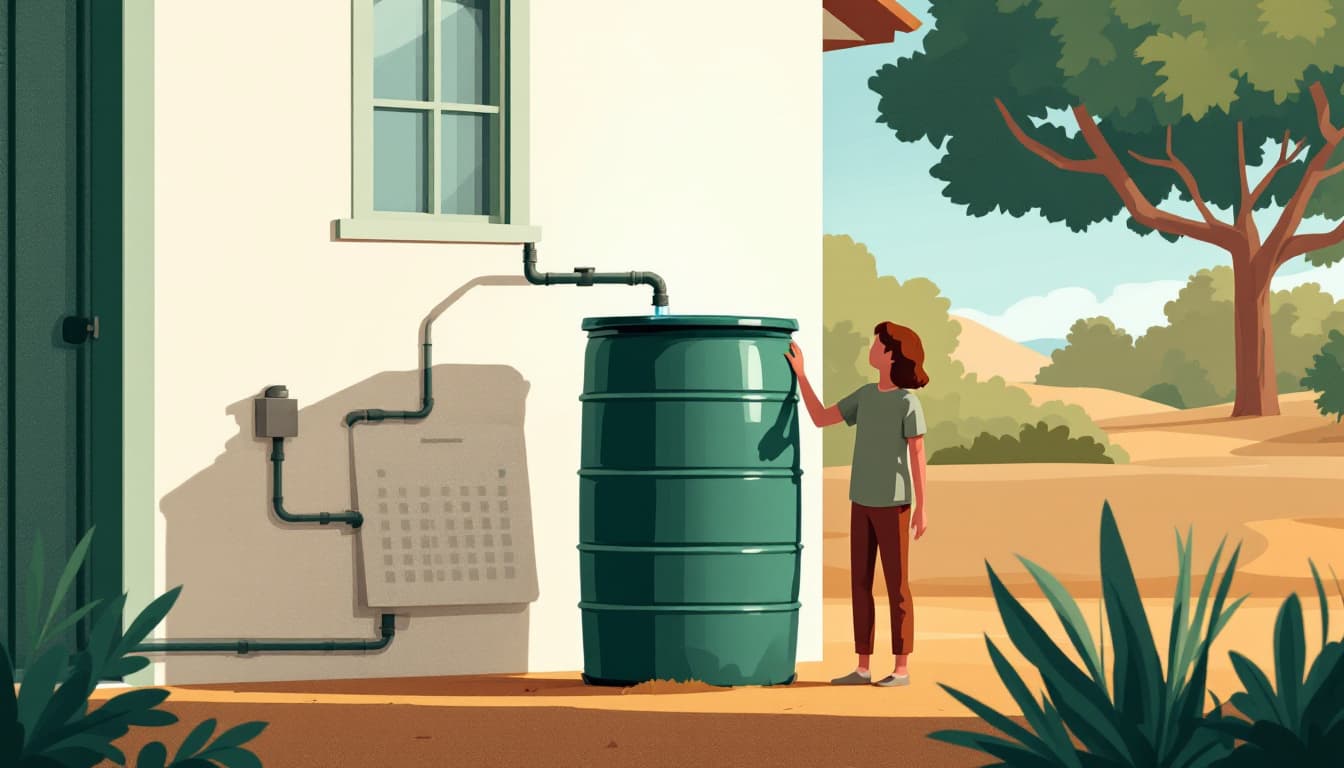
Build a modest stored water reserve — not a bunker supply, just a functional buffer. Three to seven days of drinking and cooking water per person is achievable with a few food-grade containers and a cabinet. This isn't about apocalypse planning. It's the same logic as keeping a spare tire: if your utility issues a boil order or a pressure interruption during a fire-related system demand spike, you want to not be the household scrambling to buy bottled water at a King Soopers that's already sold out.
Pay attention to what Colorado's water market is signaling about food prices. The nonprofit water-buying story isn't just environmental news. When agricultural water gets sold or leased out of production use — even temporarily, even for good ecological reasons — it reduces planted acreage or forces changes in crop mix. Watch local produce prices at farmers markets and grocery chains through late summer as a rough indicator. If you want to offset this, now is a reasonable time to add a few extra cans of shelf-stable vegetables or dry legumes to your rotation.
The bigger picture
Colorado's water story has been building for decades, and households aren't the primary actors in it. Utilities, agricultural operators, state engineers, and interstate compact obligations will determine most of what happens. Your leverage as a household is modest but real: lower your baseline consumption, understand your utility's pricing tiers, don't let your irrigation system run on a schedule set three seasons ago.
The goal here isn't to hoard water or panic about the tap. It's to run a household that handles a dry summer the way you'd want to handle any foreseeable disruption — without scrambling, without waste, and without a large bill at the end of it.
Durability looks boring. That's the point.