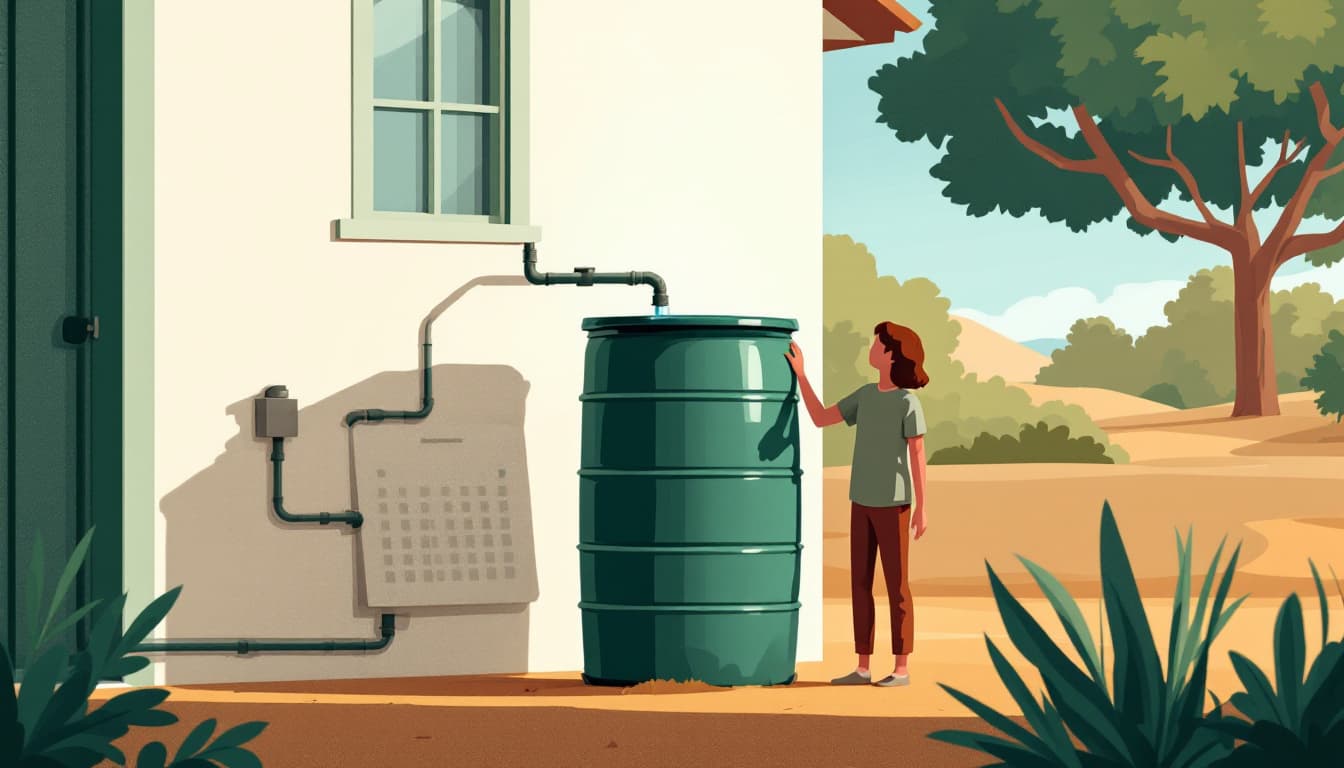
The snow fell. Then it left too fast.
A report this week from Colorado Politics describes a situation Front Range water managers have been quietly dreading: a snowpack that melted quicker than the reservoir system could capture it, sending runoff downstream before storage infrastructure could keep pace. The result is a combination that hits households directly — higher water rates are coming, and some districts are already moving toward use restrictions before summer demand even peaks.
This is not a drought story in the traditional sense. The mountains got snow. The problem is timing and capture capacity, which is a different kind of vulnerability and one that doesn't get better just because next winter is wetter.
What's actually changing
Colorado's Front Range has always lived on borrowed water — the vast majority of municipal supply comes from transmountain diversions and high-elevation snowpack, not local aquifers or rivers. When snowmelt compresses into a shorter window, as warmer springs increasingly produce, the window for reservoir fill narrows. Water that isn't captured flows out of the system.
The rate increases being discussed aren't punitive. They reflect real infrastructure costs: aging conveyance systems, the capital expense of expanded storage, and the administrative burden of managing restrictions. Denver Water, Aurora Water, and smaller Pueblo-area and Northern Colorado districts have all signaled rate pressure in recent budget cycles. What Colorado Politics is reporting reflects that pressure arriving at the billing statement.
Restrictions, when they come, typically follow a tiered structure — landscape irrigation gets cut first, then car washing, then other outdoor uses. Indoor use is rarely restricted at the household level, but the signal is worth reading: municipal systems are running closer to margin than the green lawns on your street suggest.
What we'd actually do
Check your current water district's restriction stage and rate schedule — this week. Most Front Range water providers publish their drought response stages and current status online. Denver Water, Colorado Springs Utilities, and Northern Water all maintain public dashboards. Knowing where your district sits before a restriction letter arrives gives you time to adjust rather than scramble. Search your provider name plus "drought stage" or "water restrictions."
Audit your outdoor water use before peak irrigation season hits. Outdoor irrigation typically accounts for 50 to 60 percent of residential water use in Colorado during summer months, according to state-level conservation data. A smart irrigation controller — several run under $80 — can cut that by 20 to 30 percent with no reduction in lawn health by adjusting for evapotranspiration rates. If a smart controller isn't in the budget, simply shifting irrigation to early morning (before 8 a.m.) reduces evaporative loss meaningfully.
Store a modest indoor water reserve against the right risk, not the wrong one. A rapid-onset restriction or a distribution system problem during high-demand season is more plausible than a prolonged municipal shutoff. For a family of four, FEMA's baseline of one gallon per person per day for two weeks works out to 56 gallons — achievable with a few food-grade 5- or 7-gallon containers stored in a cool space. This isn't about apocalypse prep; it's about not being the household that can't flush during a 48-hour main break in August.
If you have outdoor space, look at xeriscape conversion seriously this year. Colorado's Cash for Grass programs — offered by several Front Range utilities including Denver Water — pay rebates for replacing turf with water-wise landscaping. The economics have improved as water rates rise. A 500-square-foot turf removal can qualify for rebates that offset a significant portion of installation cost, and the long-term rate savings compound. Check your utility's current rebate schedule; some programs have waitlists.
Talk to your neighbors about shared pressure on the system. This sounds soft, but it has a practical edge. Block-level awareness of restriction stages, shared tips on irrigation scheduling, and knowing which neighbors have medical needs that complicate water conservation creates a more resilient micro-community. It also means you're not the last person on the block to know when your district moves to Stage 2.
The bigger picture
Colorado's water future involves trade-offs that no household can individually solve — interstate compacts, agricultural allocation, infrastructure investment, climate variability. What households can solve is their own exposure to the near-term volatility those systems produce.
Durability here looks like lower outdoor water dependency, a small indoor reserve, and enough awareness of your district's situation to avoid being caught flat-footed by a restriction or rate spike. The goal isn't to live off the grid. It's to have a little more room to maneuver when the system runs tight.
The snowpack came. It just left before anyone was ready. That's a pattern worth planning around.